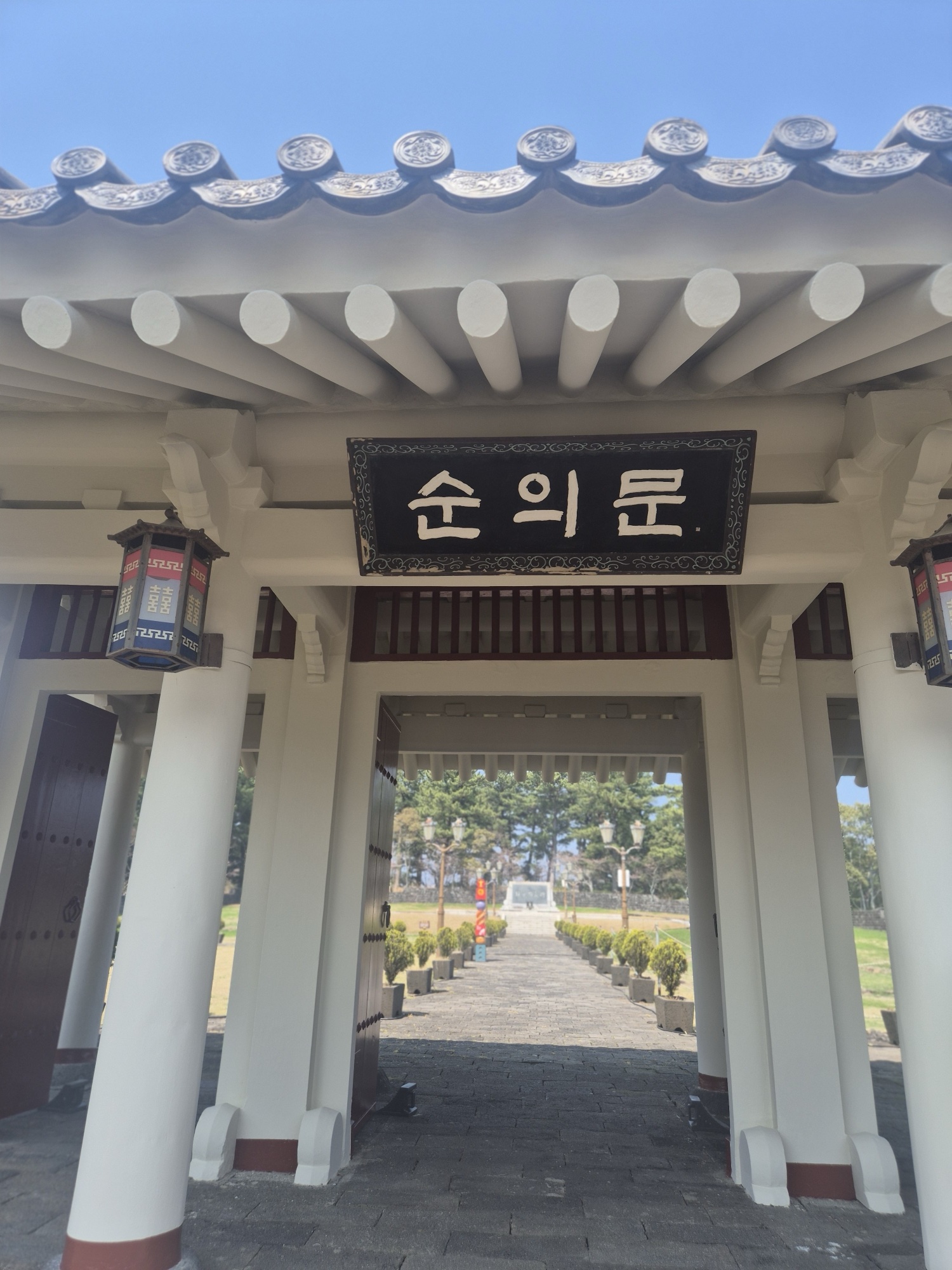
Hangpaduri Anti-Mongol Historic Site — 항몽유적지(항파두리)
Timeline
- 1271
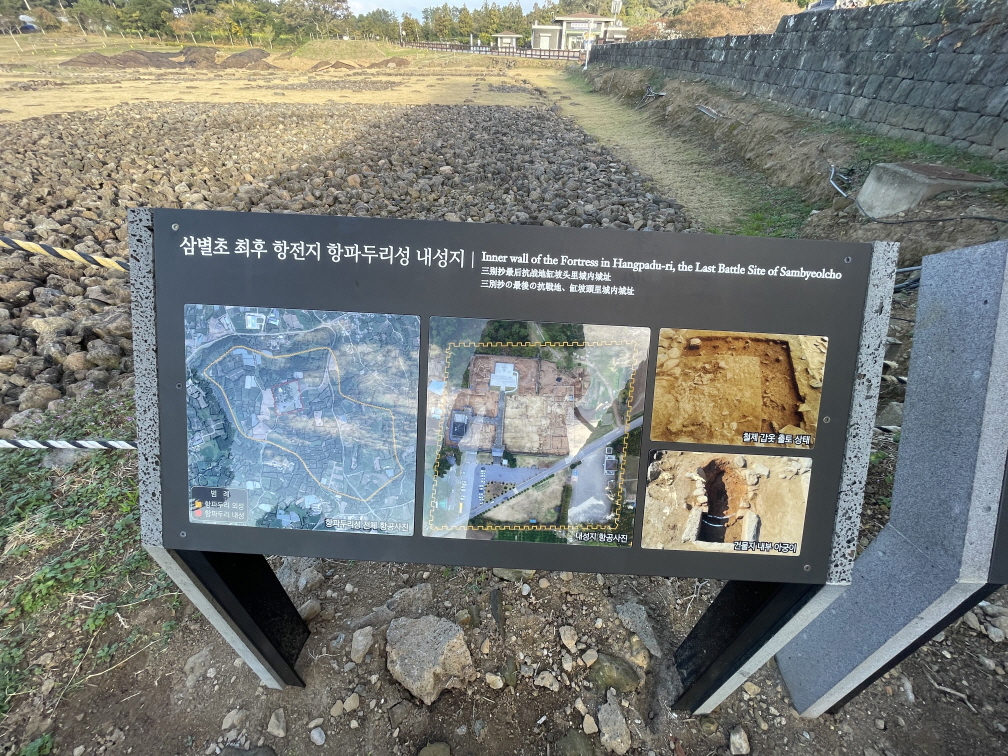
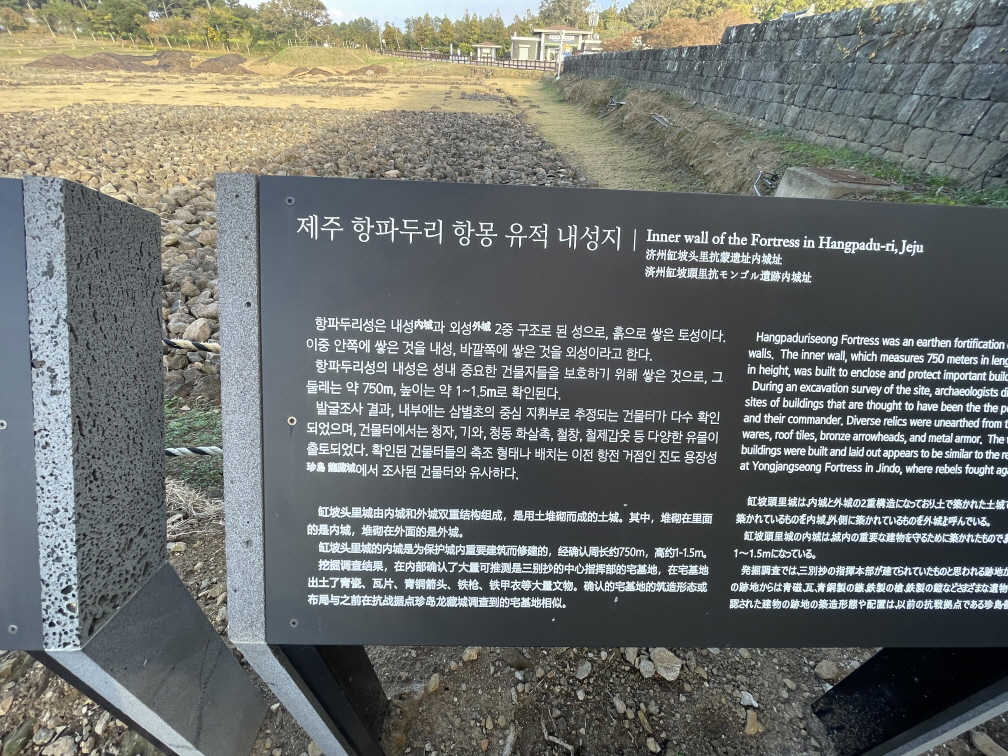
After Jindo fell, General Kim Tong-jeong led the remaining Sambyeolcho troops to Tamna and built an earthen fortress at Hangpaduri.
- 1273
Under an all-out attack by the Goryeo–Mongol allied forces, Hangpadu Fortress fell, and the Sambyeolcho soldiers fought to the end and died as martyrs.
- 1978
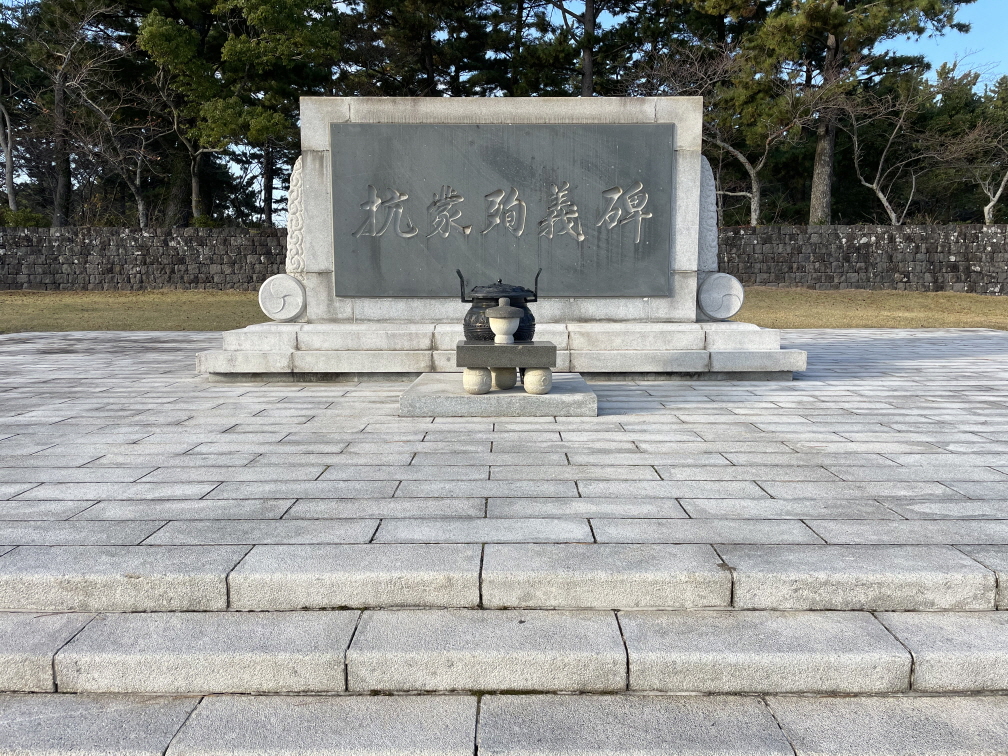
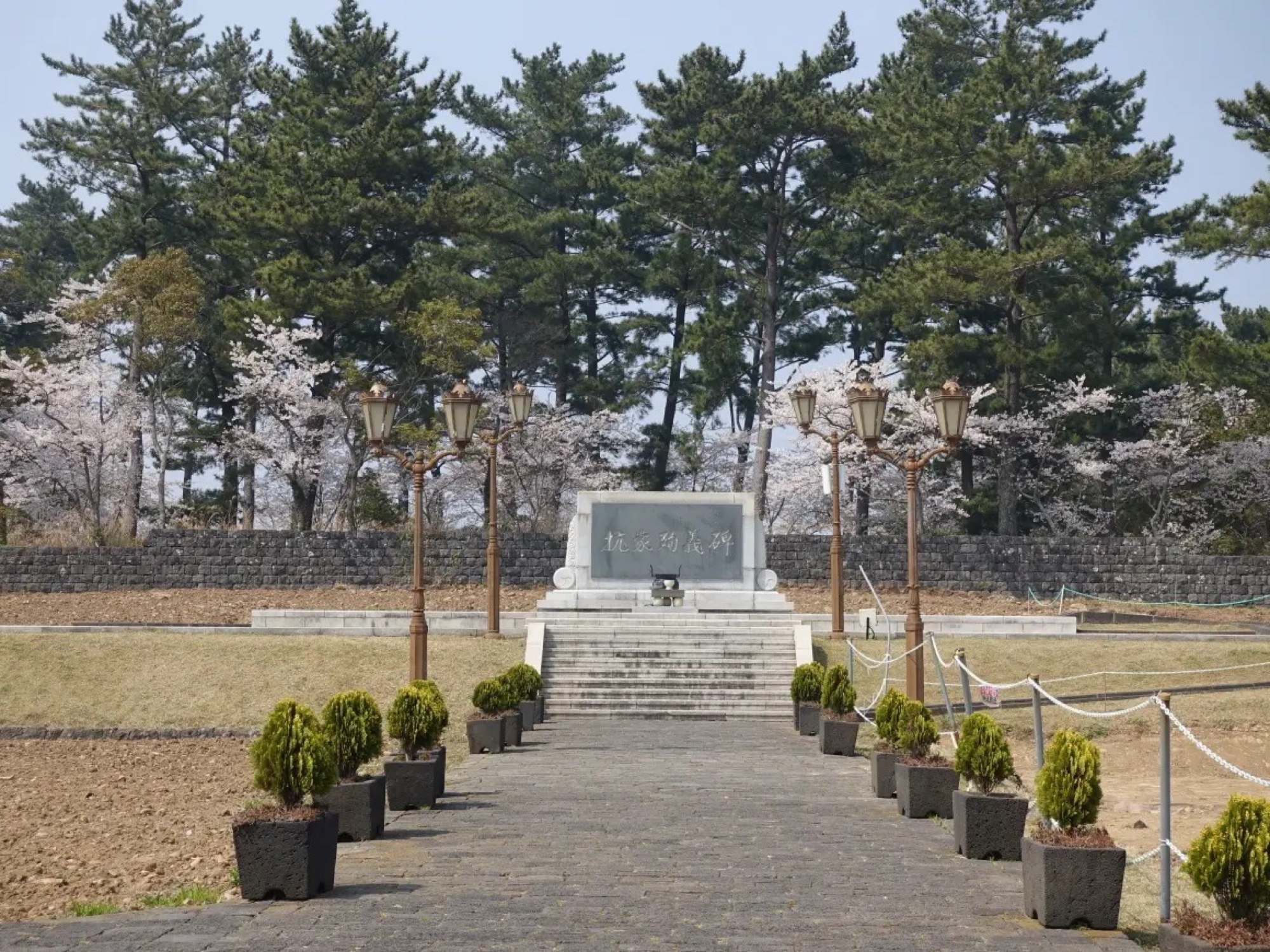
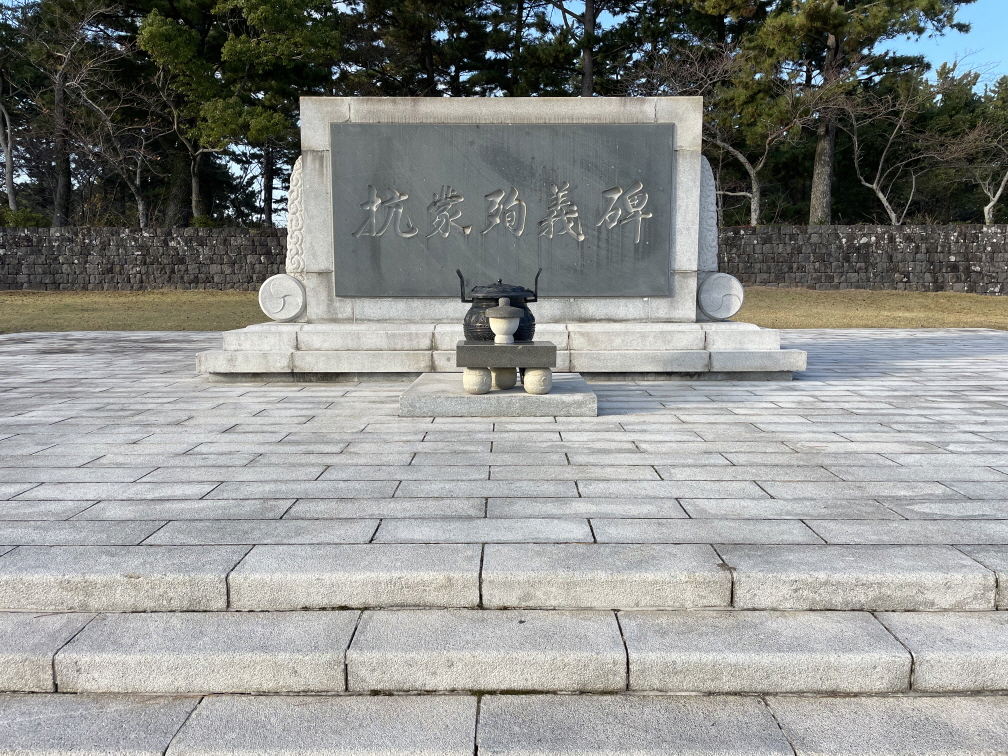
Part of the walls was repaired and the Anti-Mongol Martyrs Monument was erected to honor the spirits of the Sambyeolcho.
- 1997
Recognized for its historical value, it was designated a national Historic Site.
- Restoration
What you see today — restoration and upkeep since 1978 have turned it into a historic park with fortress paths, the martyrs' monument and an exhibition hall.
- Mo09–18
- Tu09–18
- We09–18
- Th09–18
- FrToday09–18
- Sa09–18
- Su09–18
Open year-round
Last entry 17:30
- Admission
- Free
- Parking
- 1 lot
- Location
- 50 Hangpaduri-ro, Aewol-eup, Jeju-si, Jeju
- Website
- Official website
- Phone
- 064-710-6726
- Checked
- 6/2026 · Official website
Story
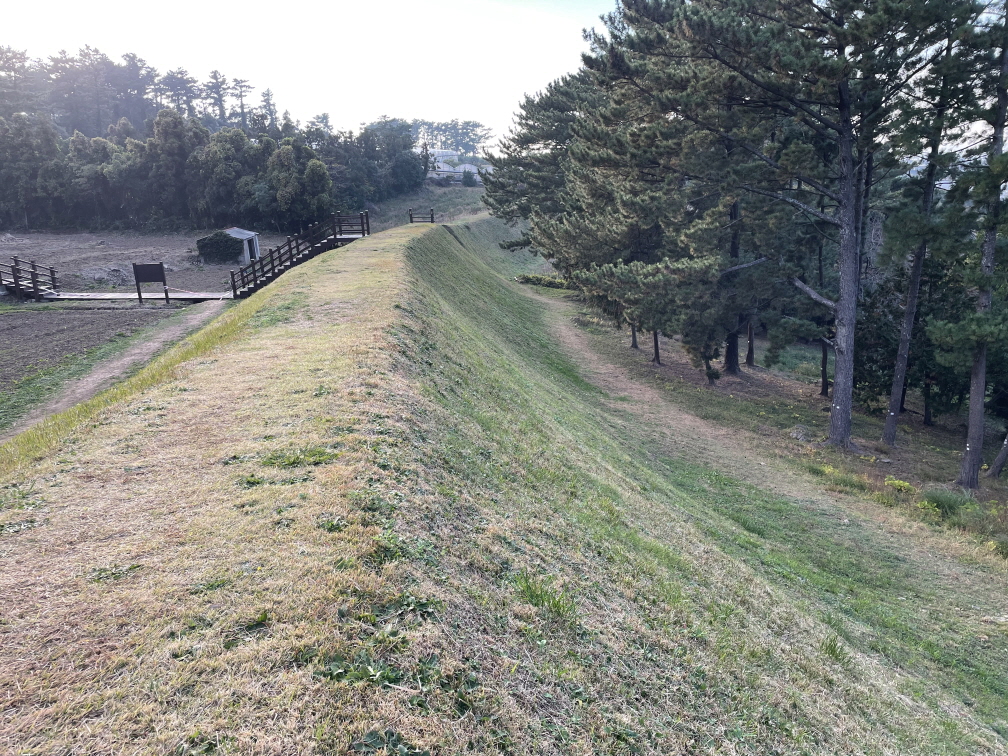
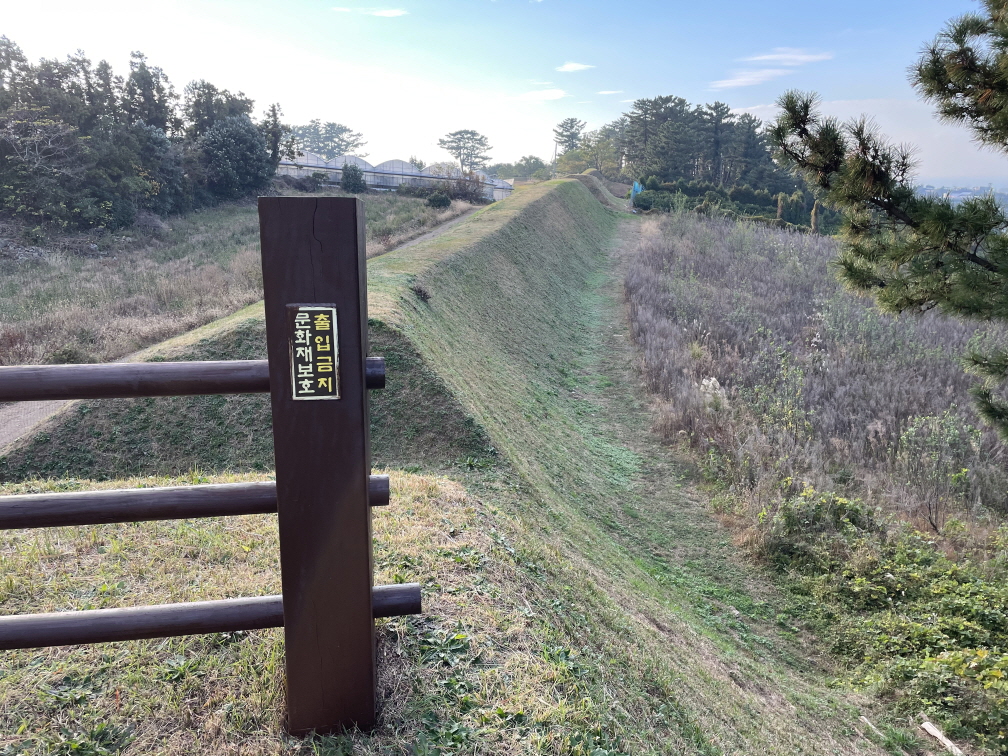
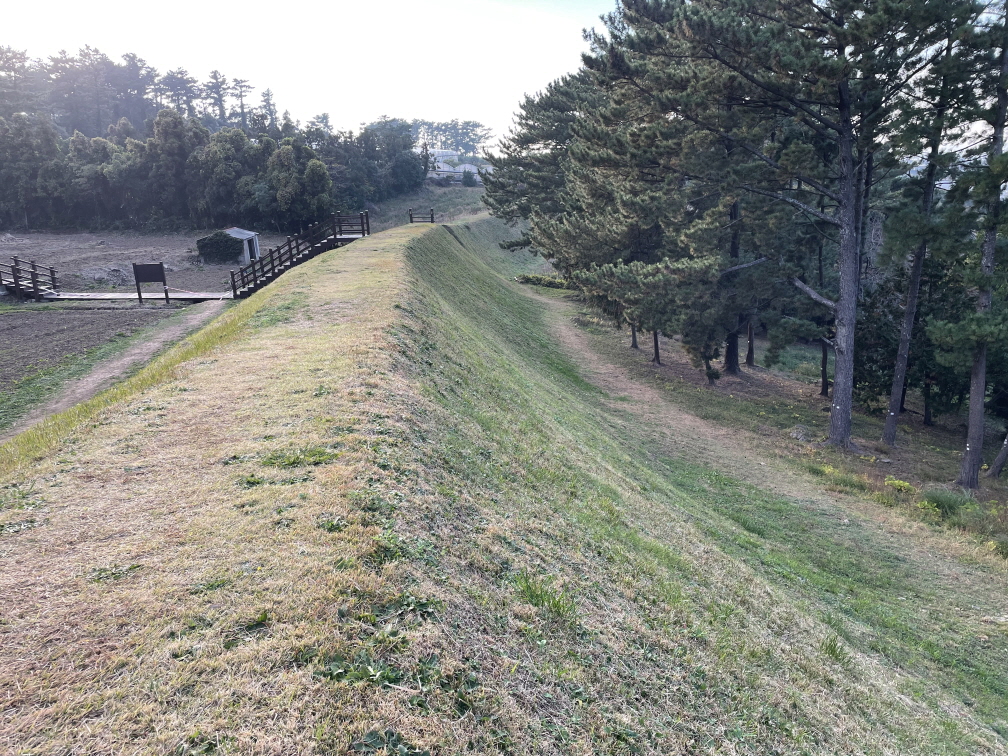
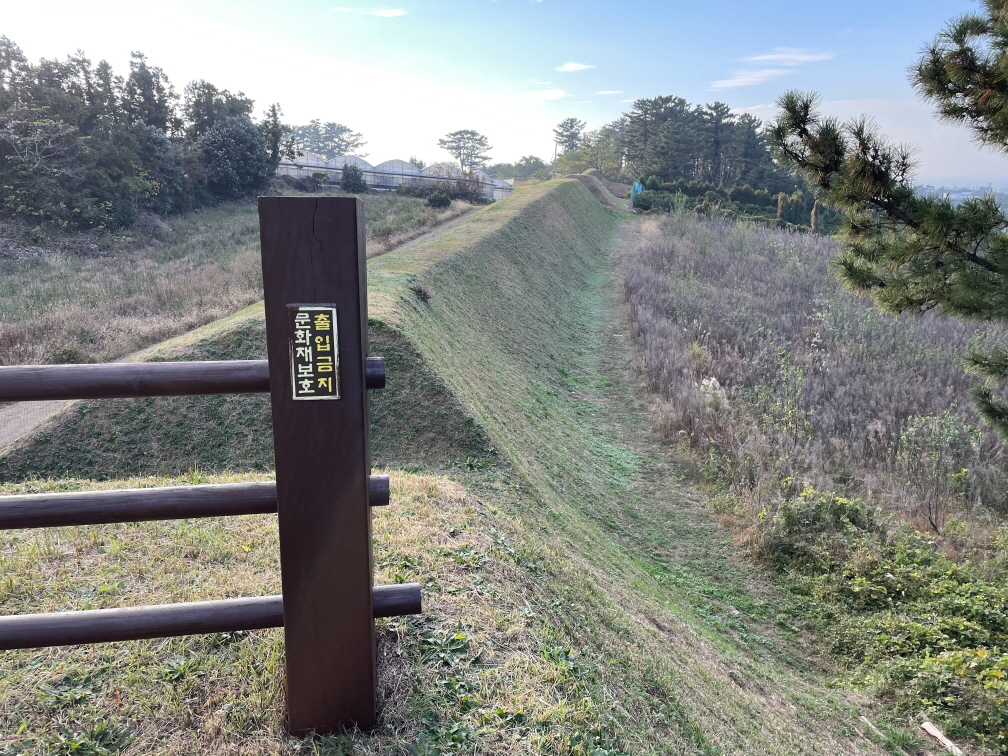
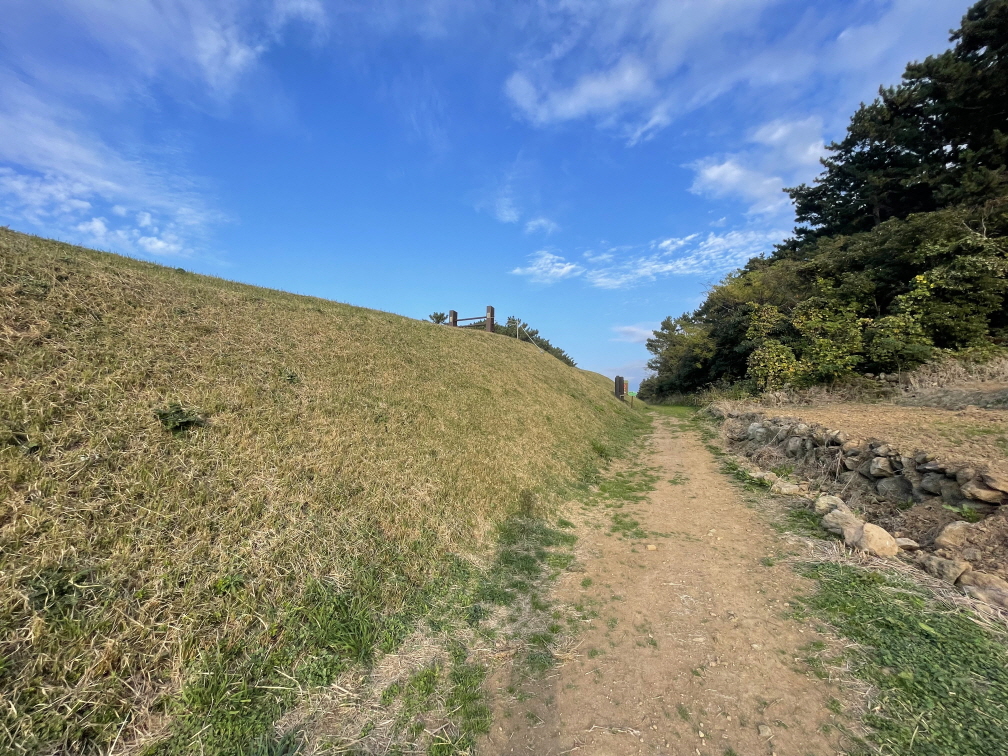
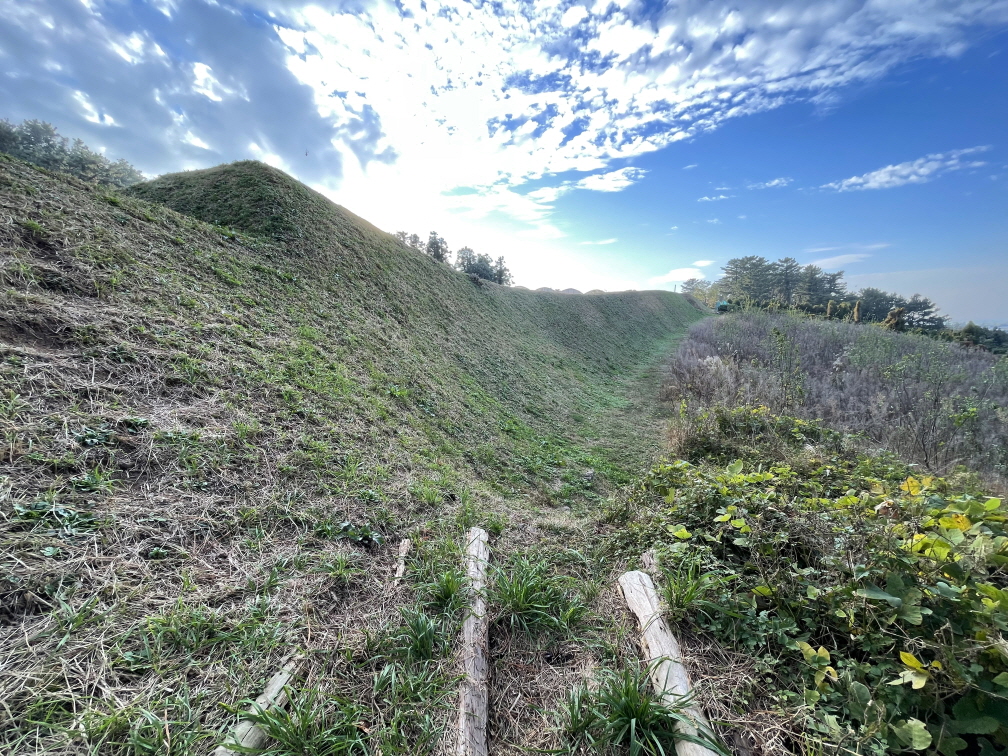
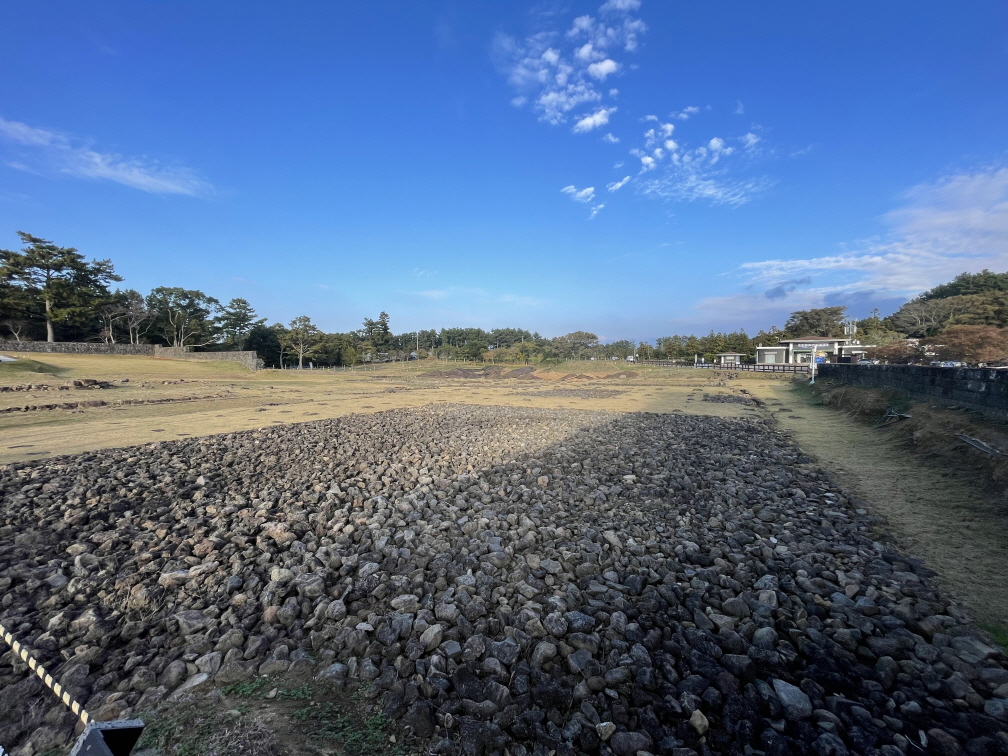
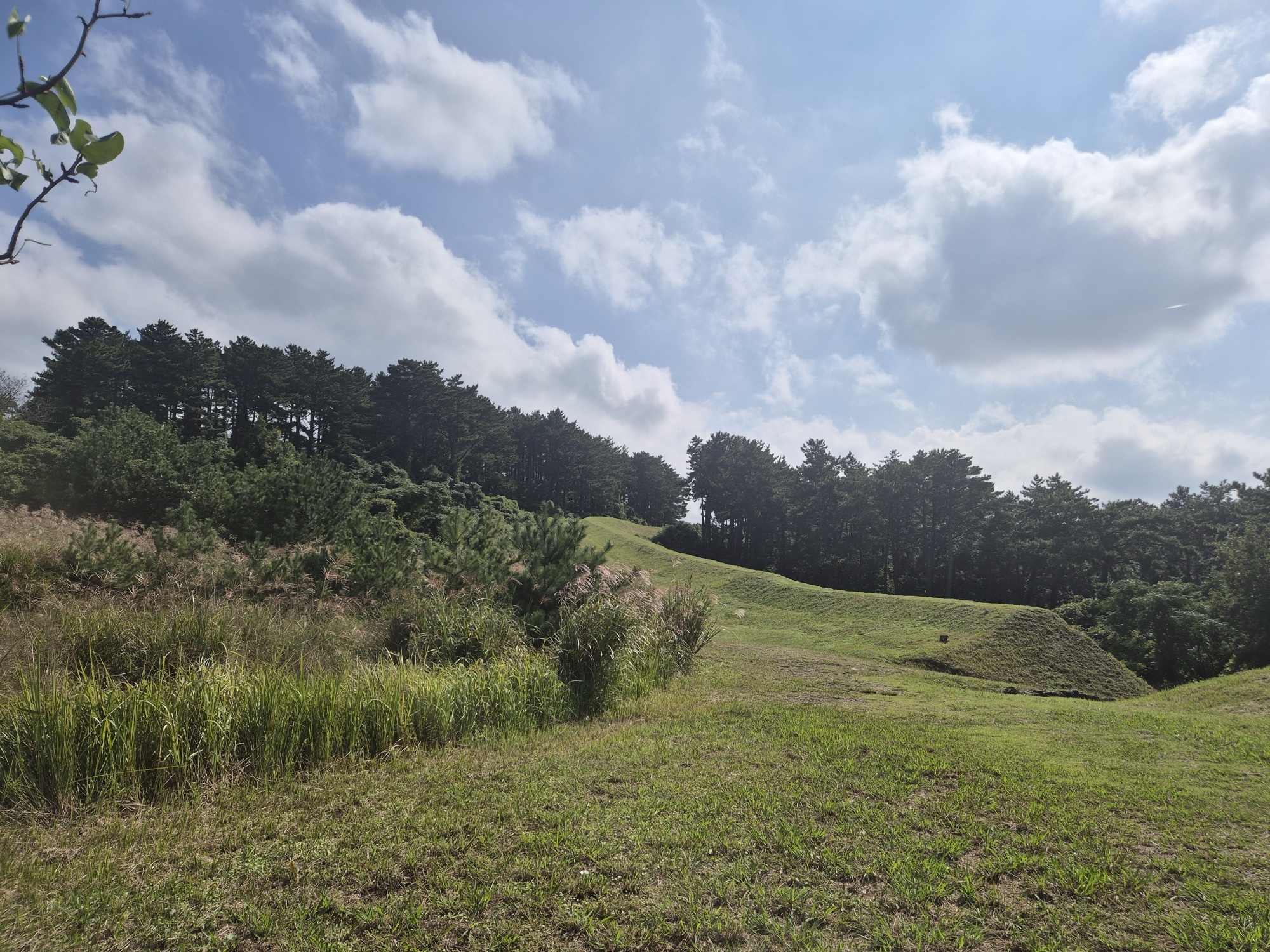
In the middle of the fields, a low, long wall of earth runs on.
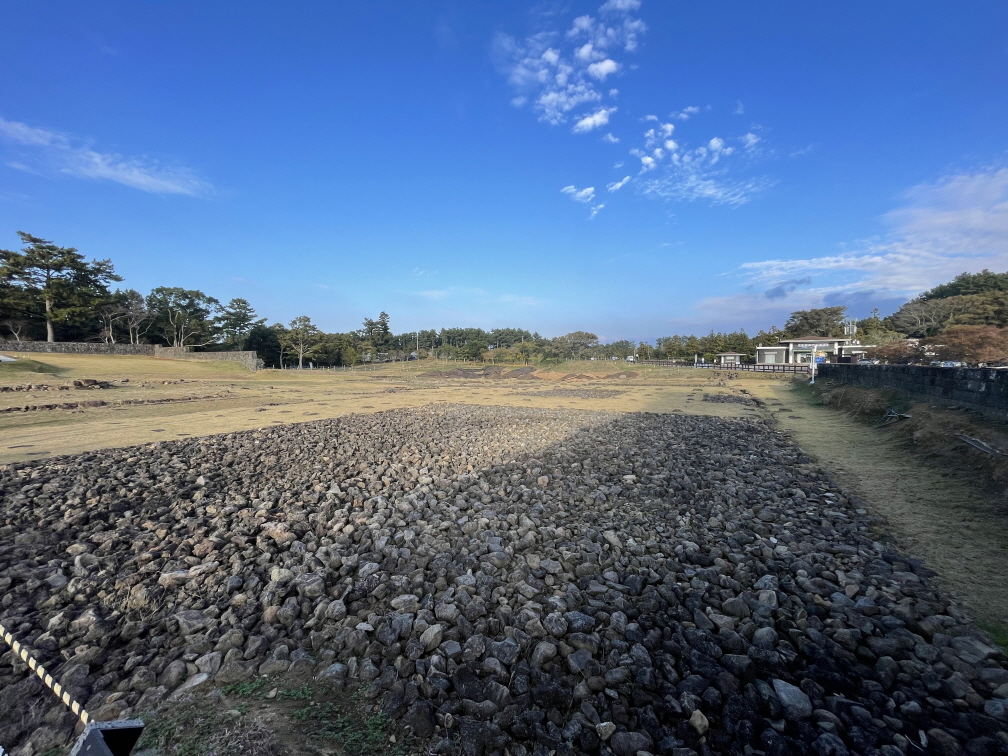
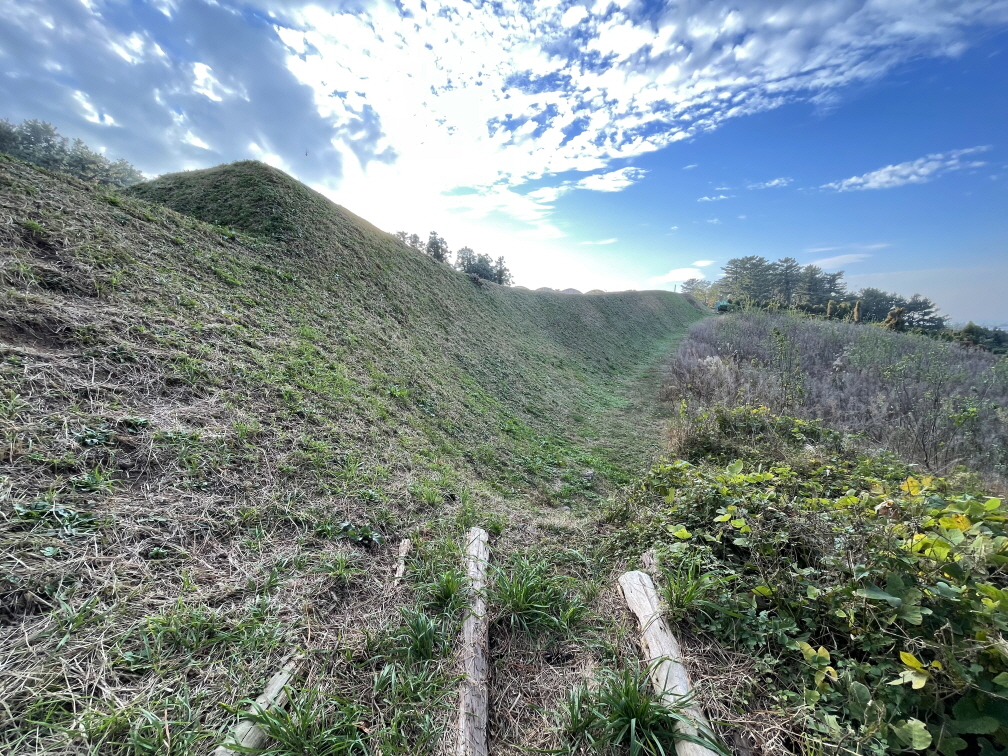
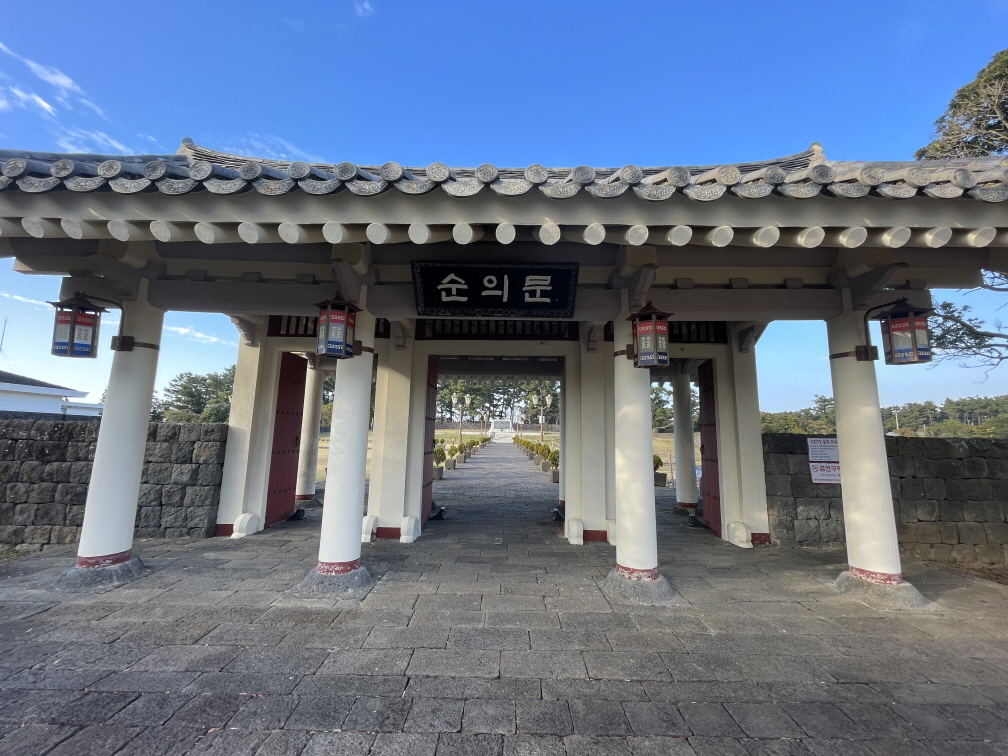
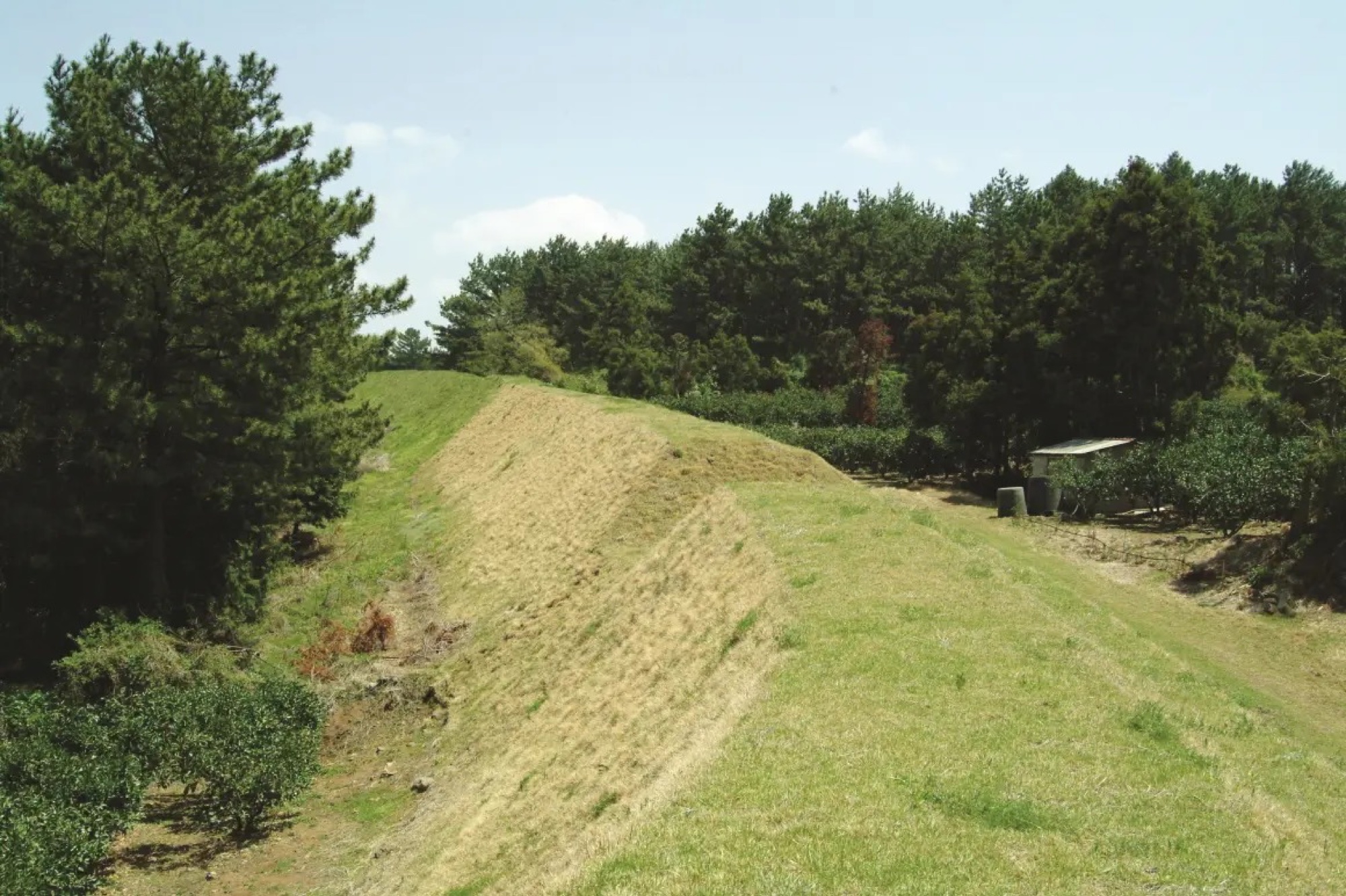
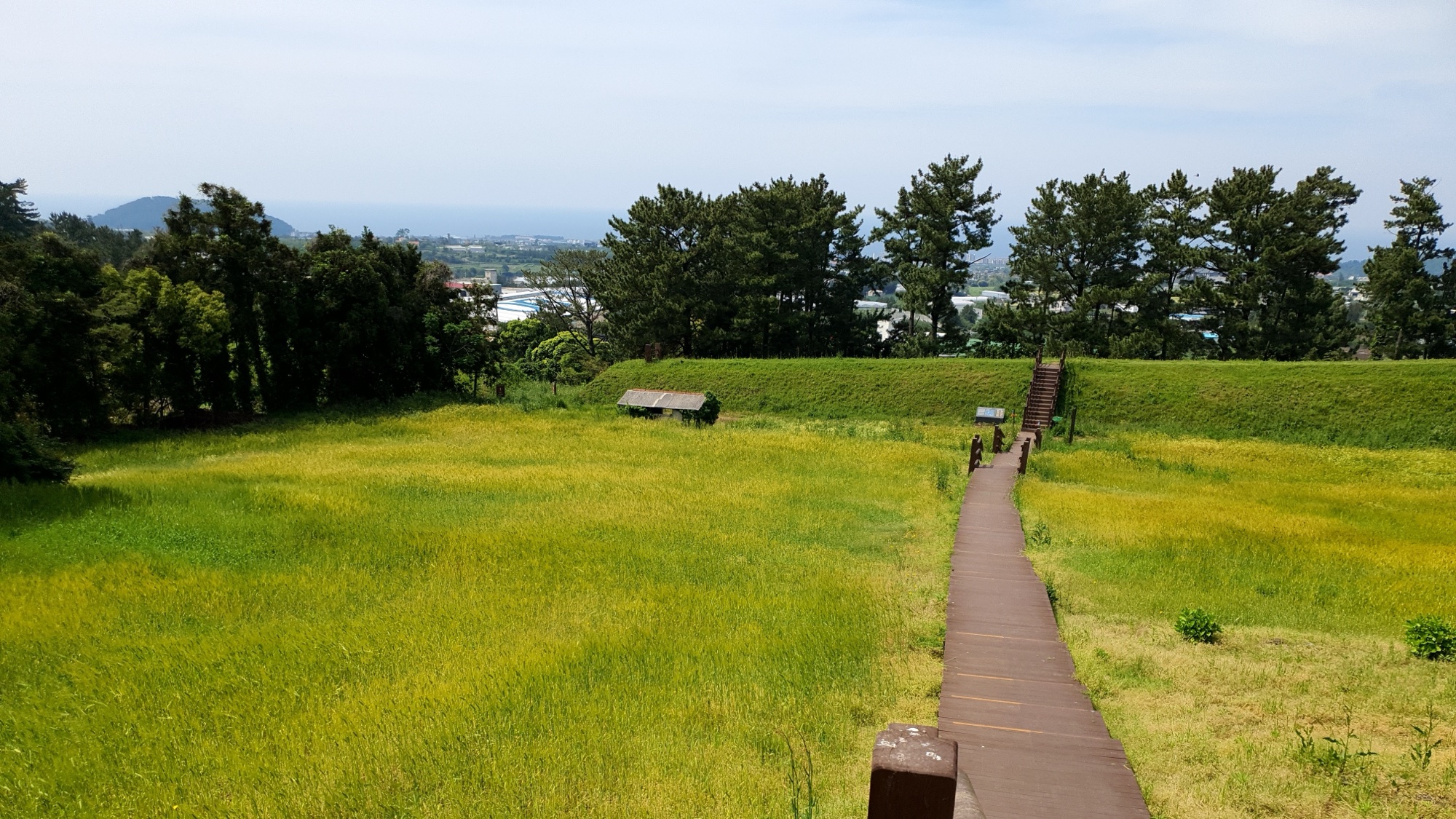
Hangpaduri is where the Sambyeolcho of Goryeo fought the Mongols to the very end. In 1271, having crossed the sea, the Sambyeolcho built a fortress of earth here and held out for about two years. Today an exhibition hall, a memorial monument and the traces of the earthen walls remain quietly on the fields.
Now is the time to walk along the walls.
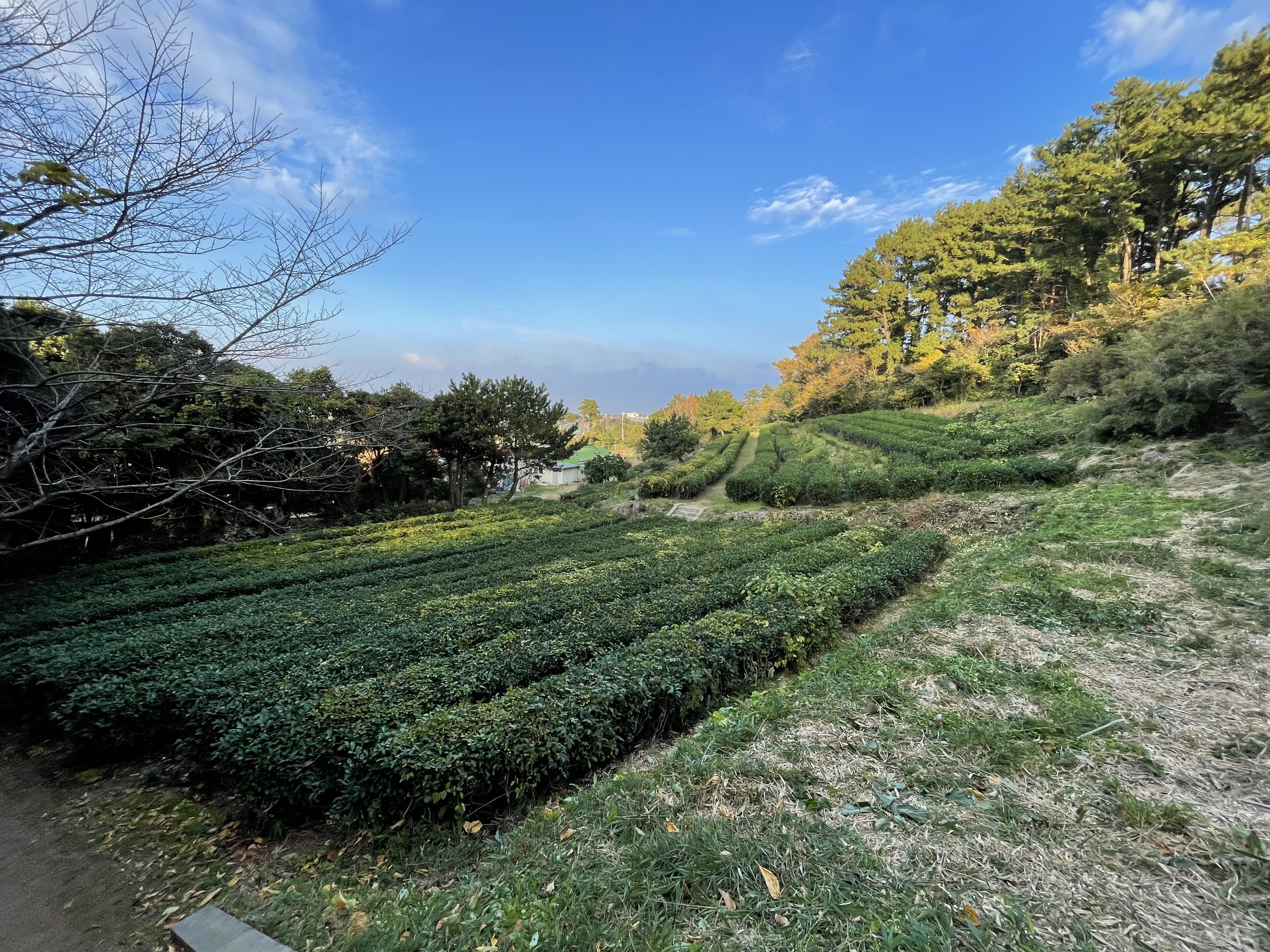
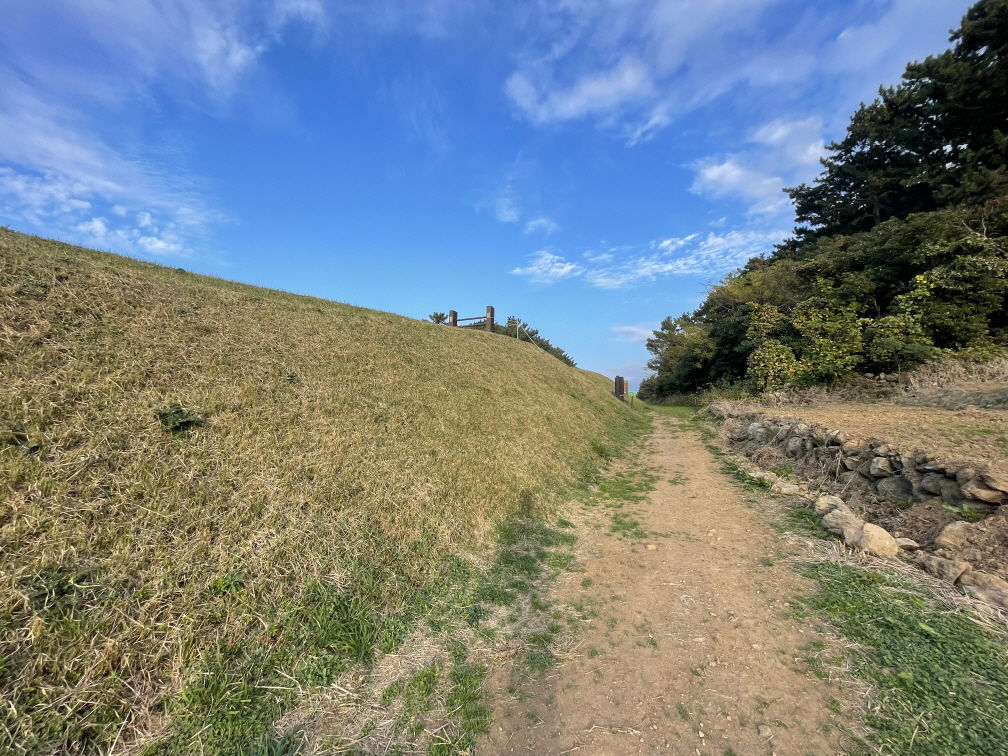
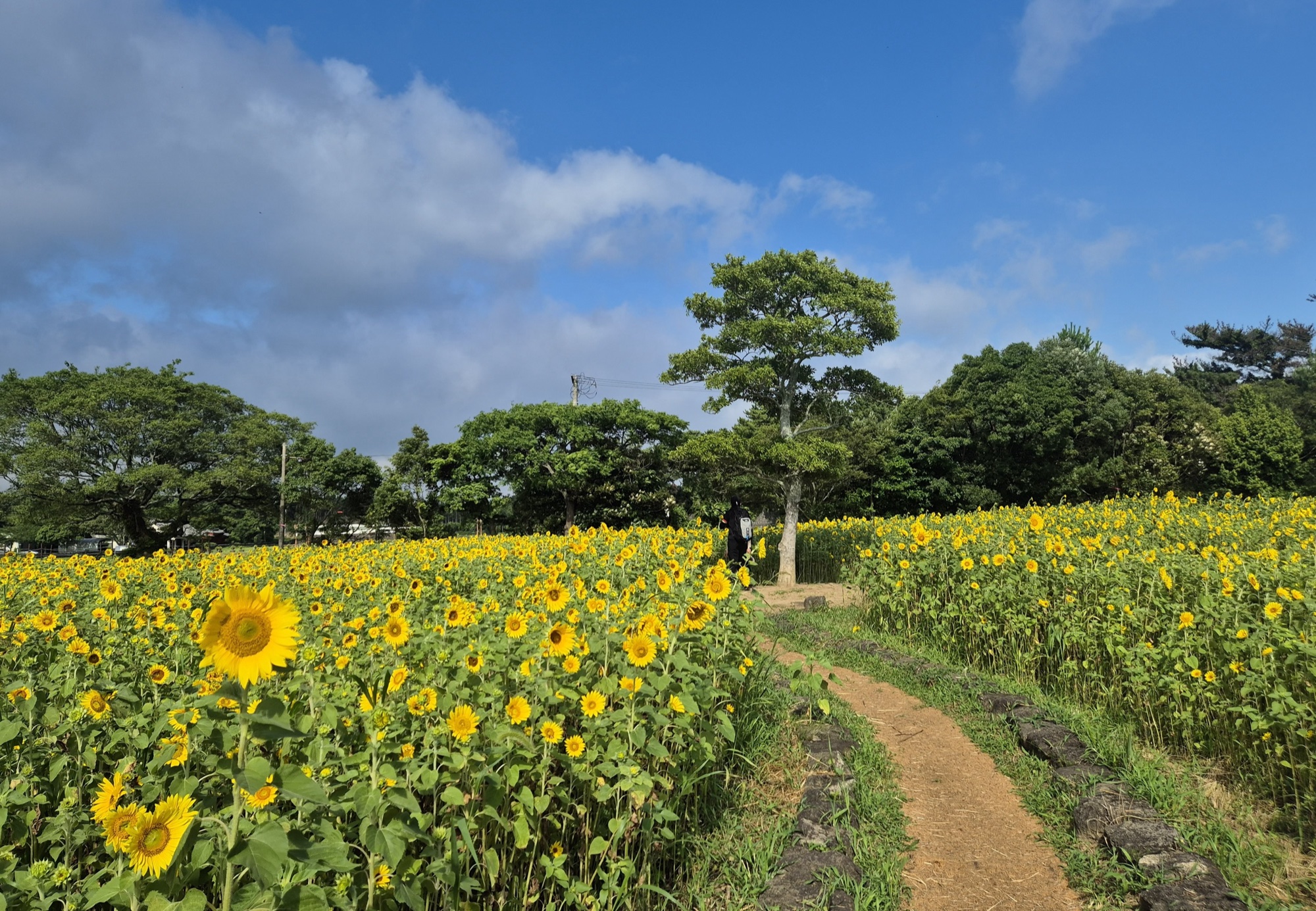
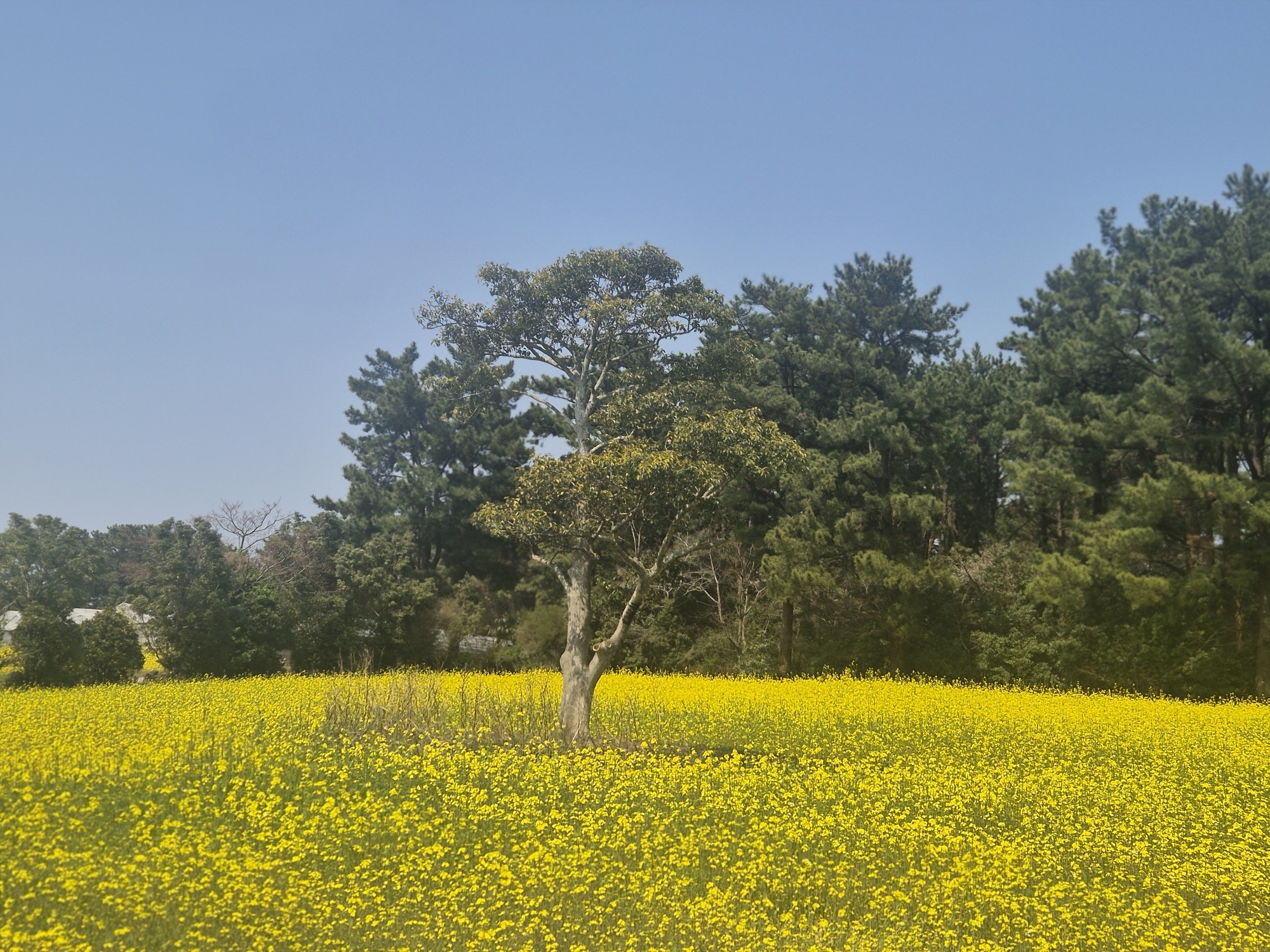
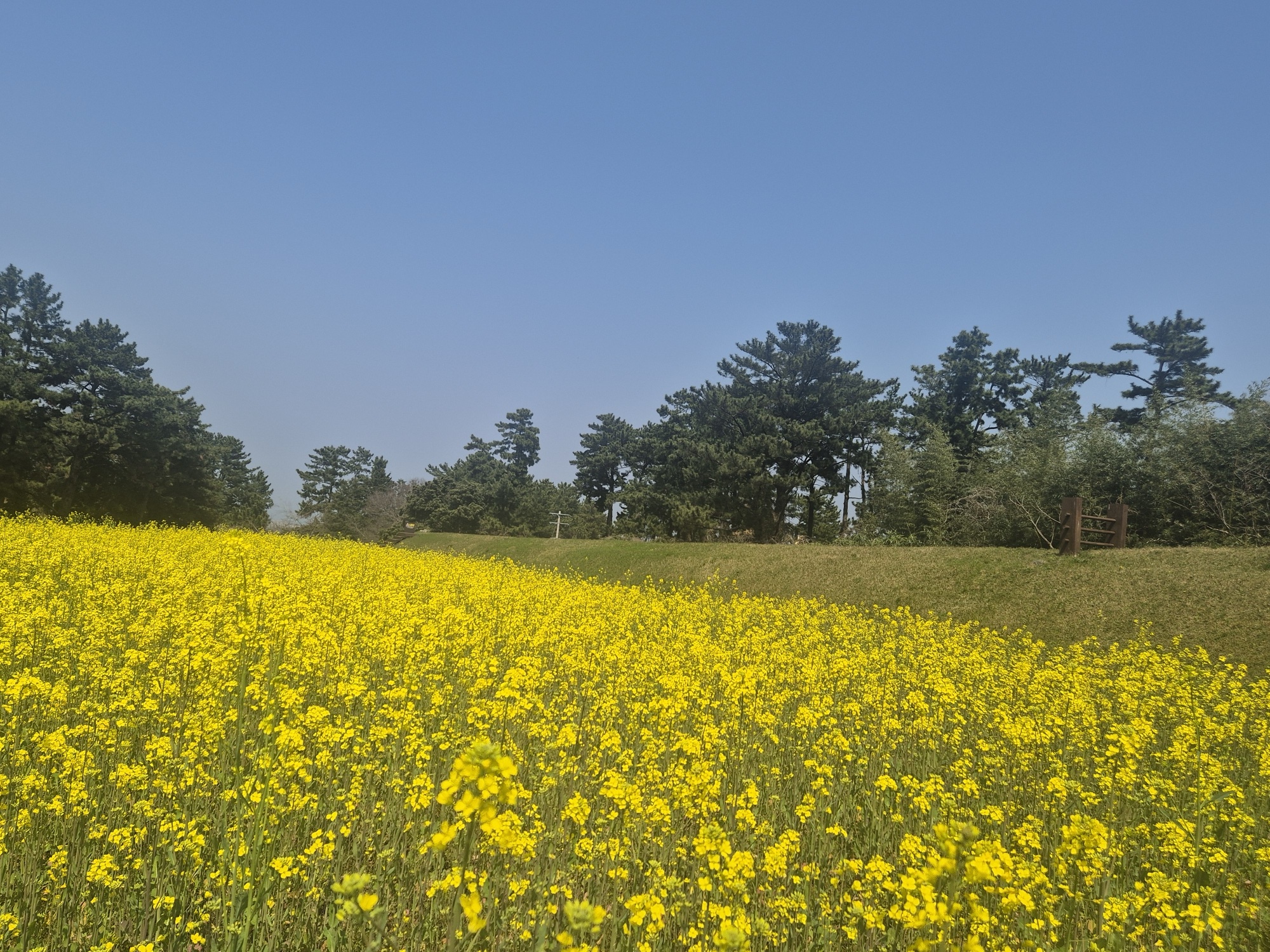
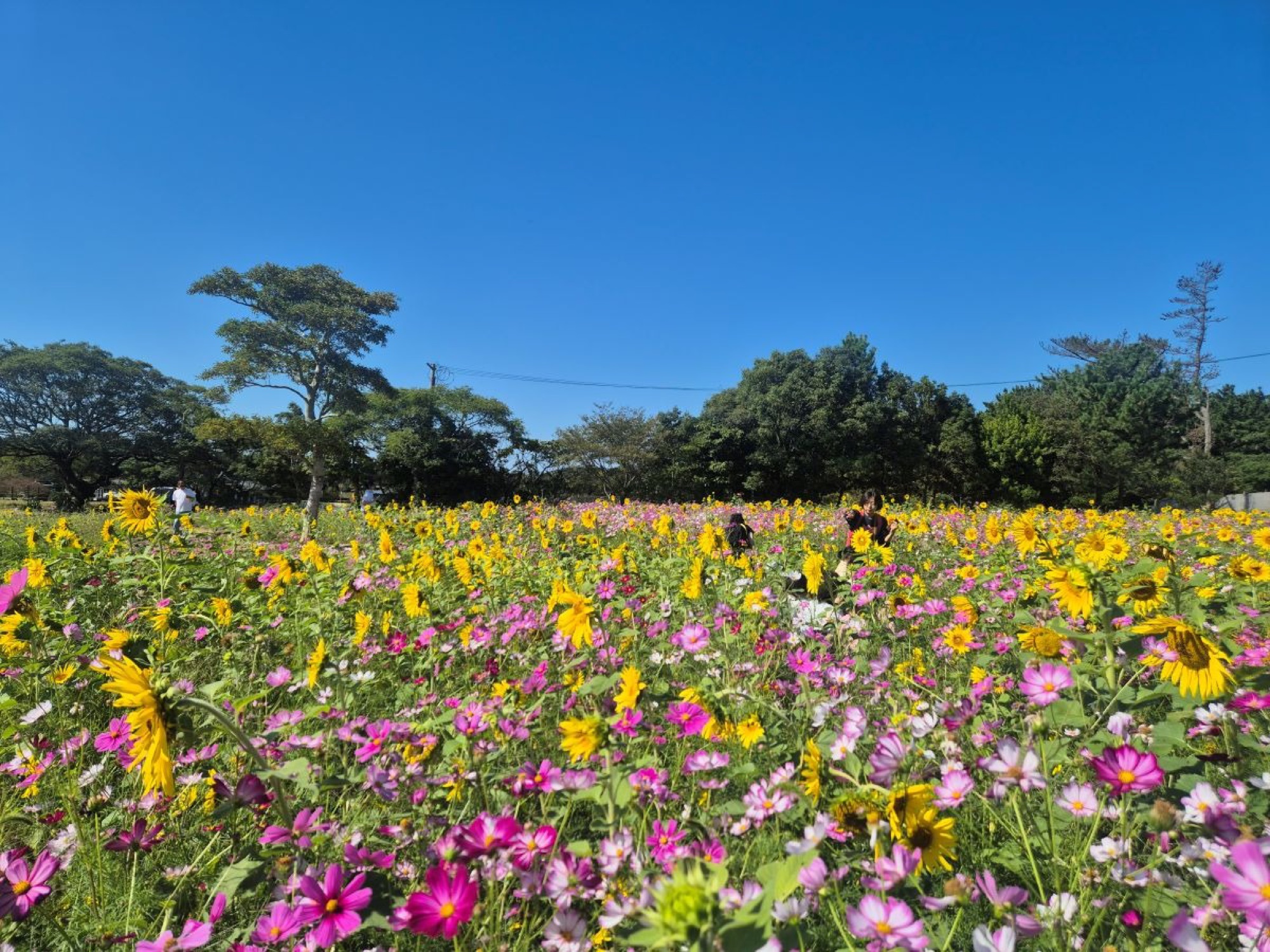
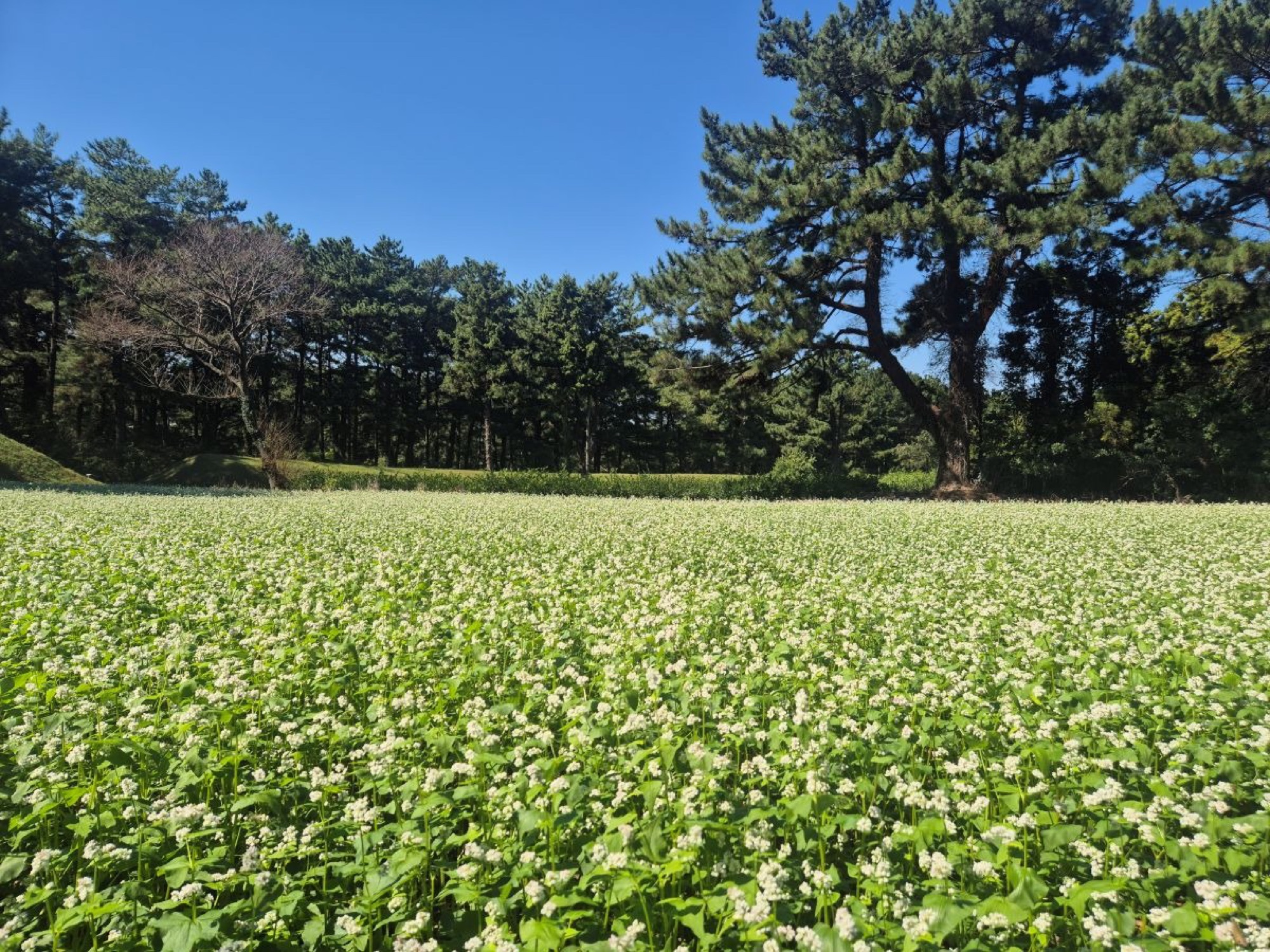
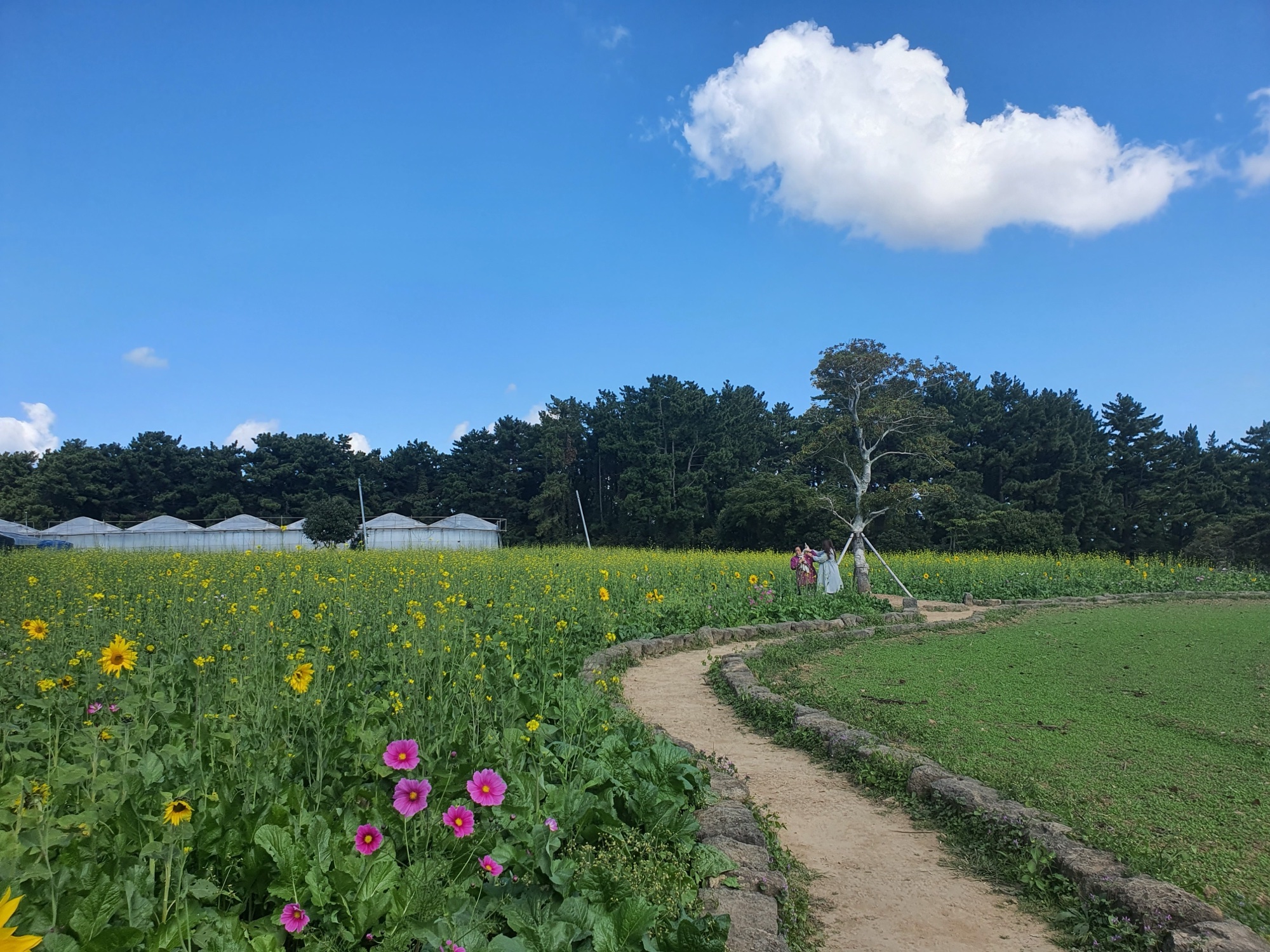
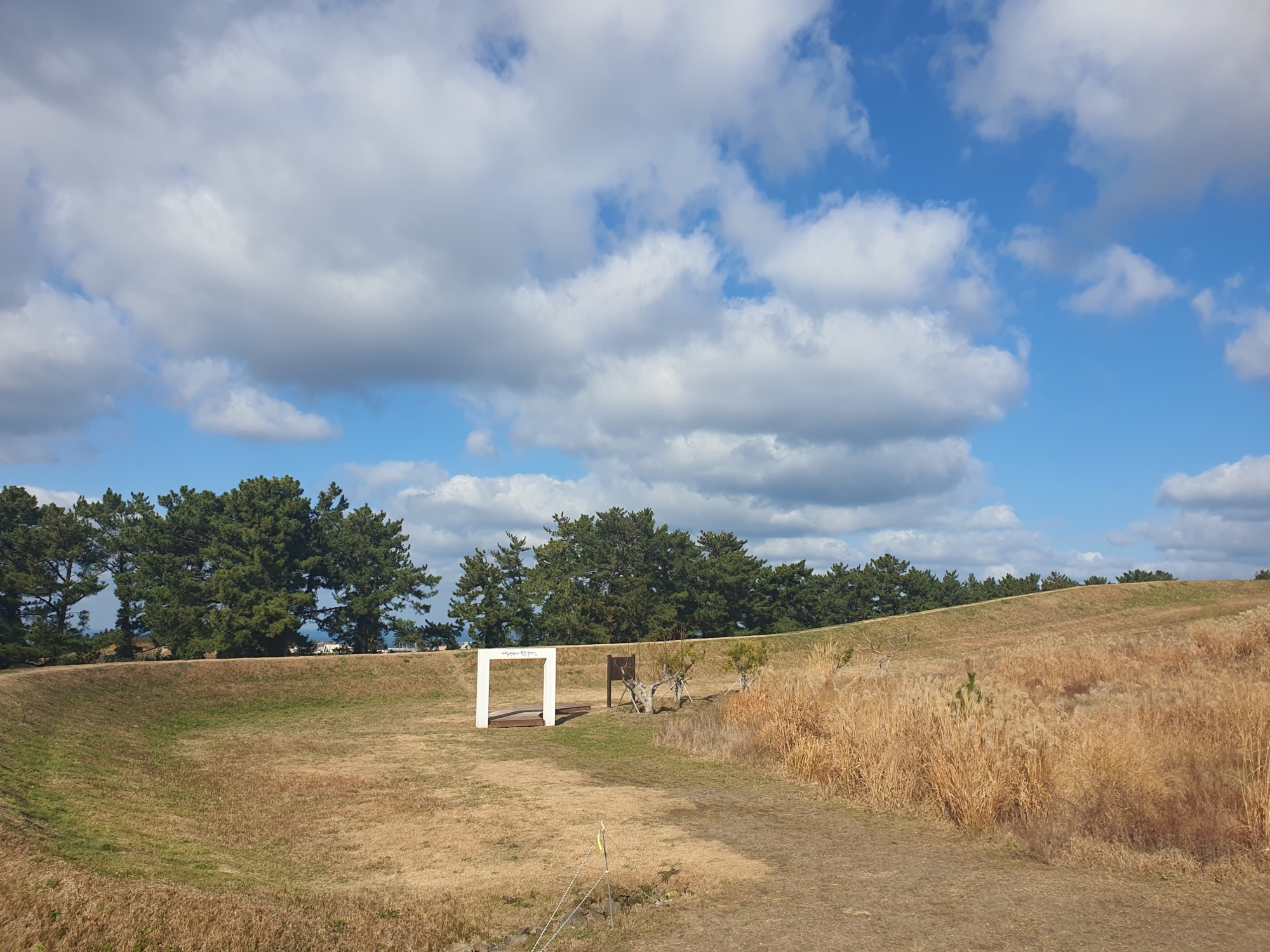
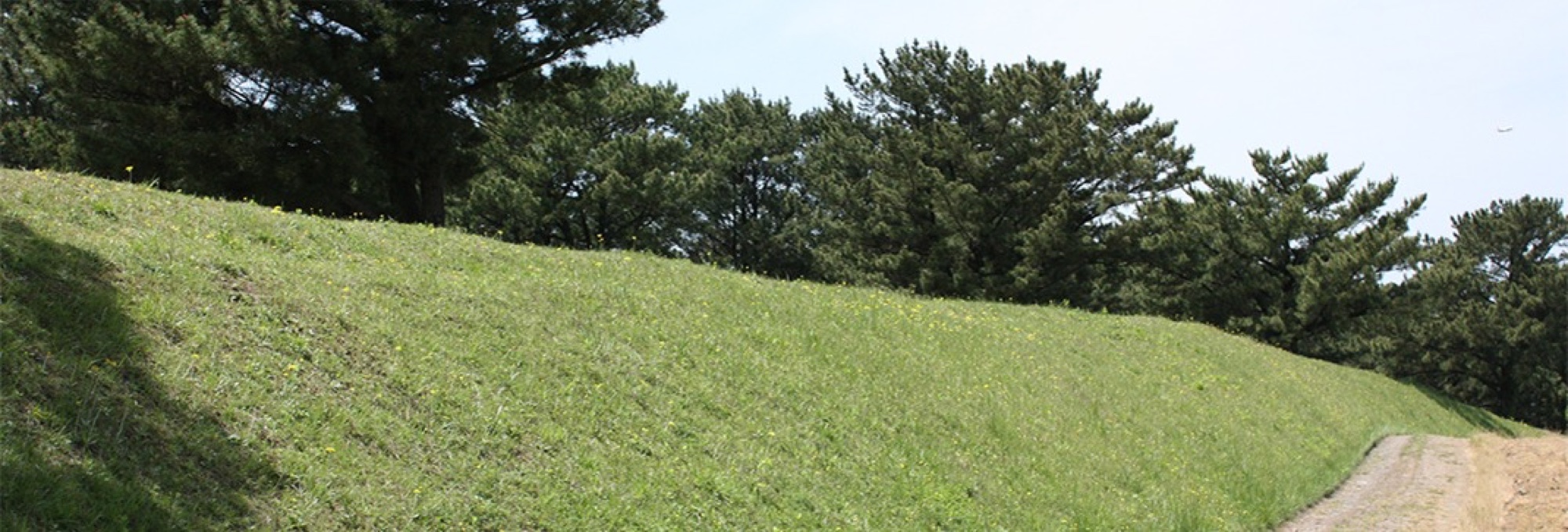
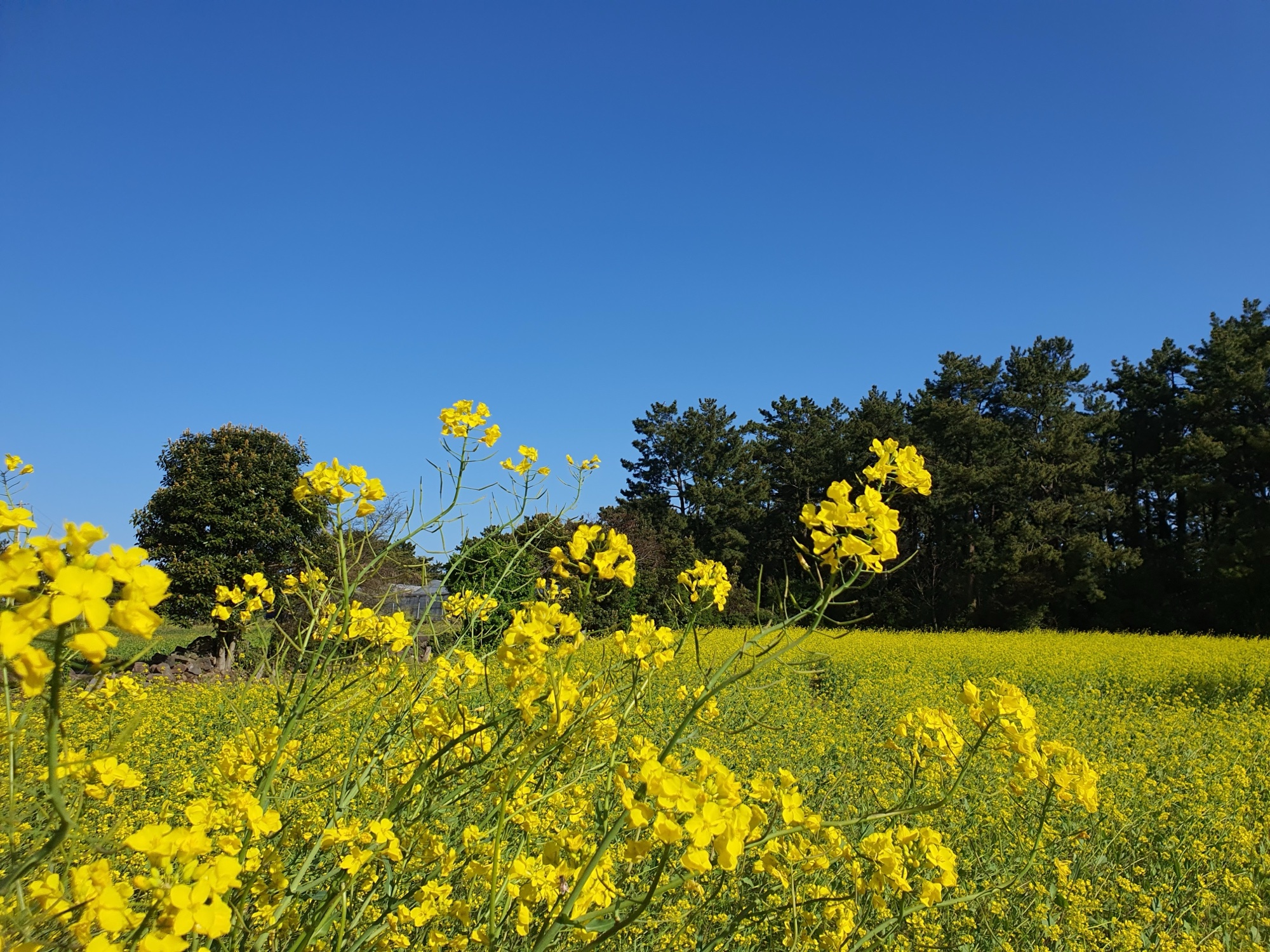
Follow the grass-covered earthen walls, and the time of those who guarded this place 800 years ago flows beneath your feet. In spring, canola and buckwheat flowers paint the walls yellow and white, and a single 'Lone Tree' stands in the field, calling for a photo. It is a quiet walk where history and landscape sit side by side.
Don't miss
- 1
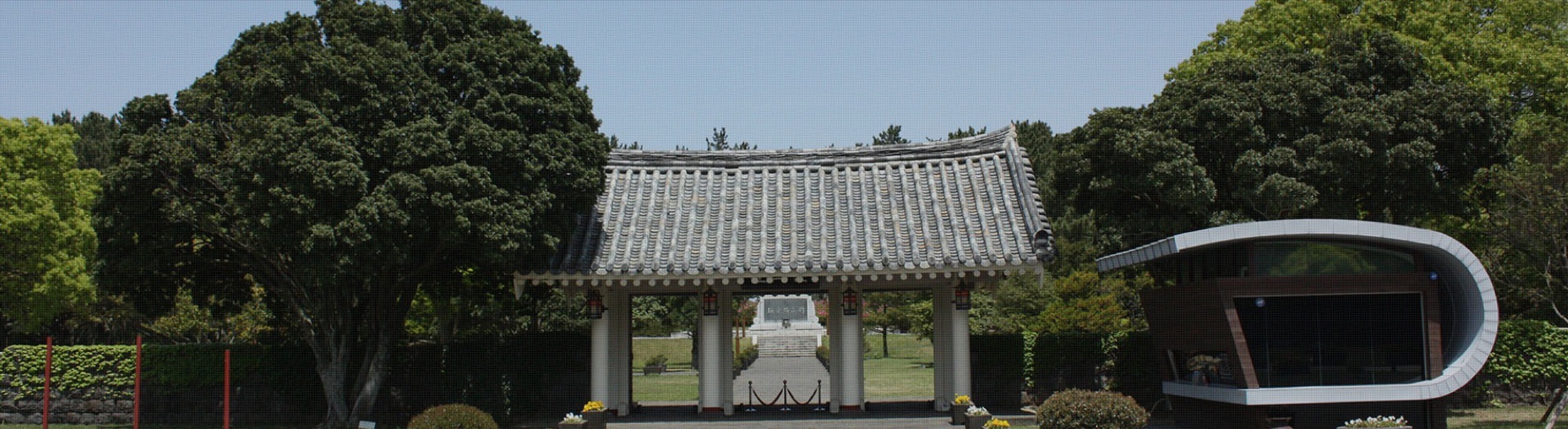
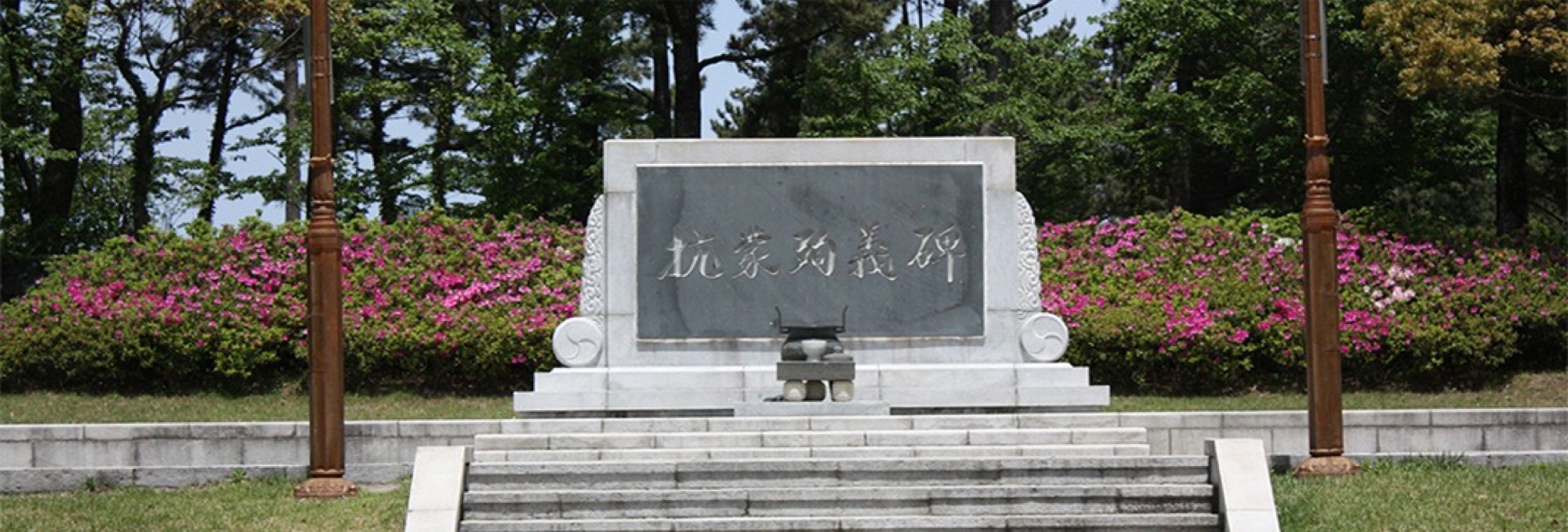
Anti-Mongol Martyrs Monument
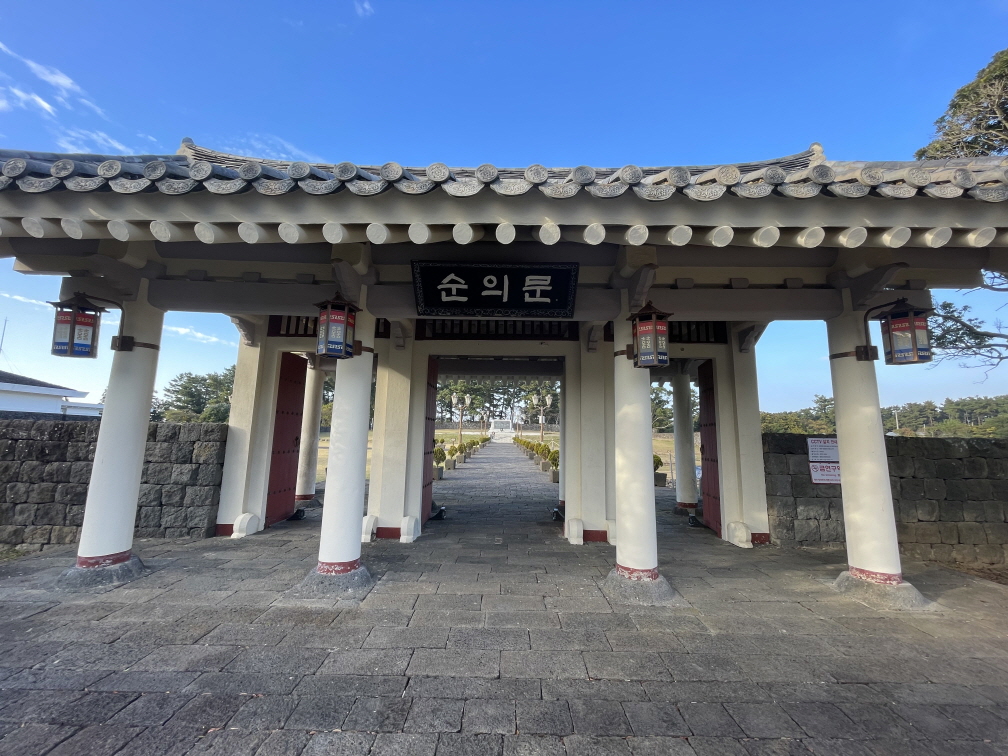
A monument honoring the spirits of the Sambyeolcho. The inscription on the front is in President Park Chung-hee's own hand.
Photo · 제주 항파두리 항몽 유적(제주시 공식 홈페이지)
- 2
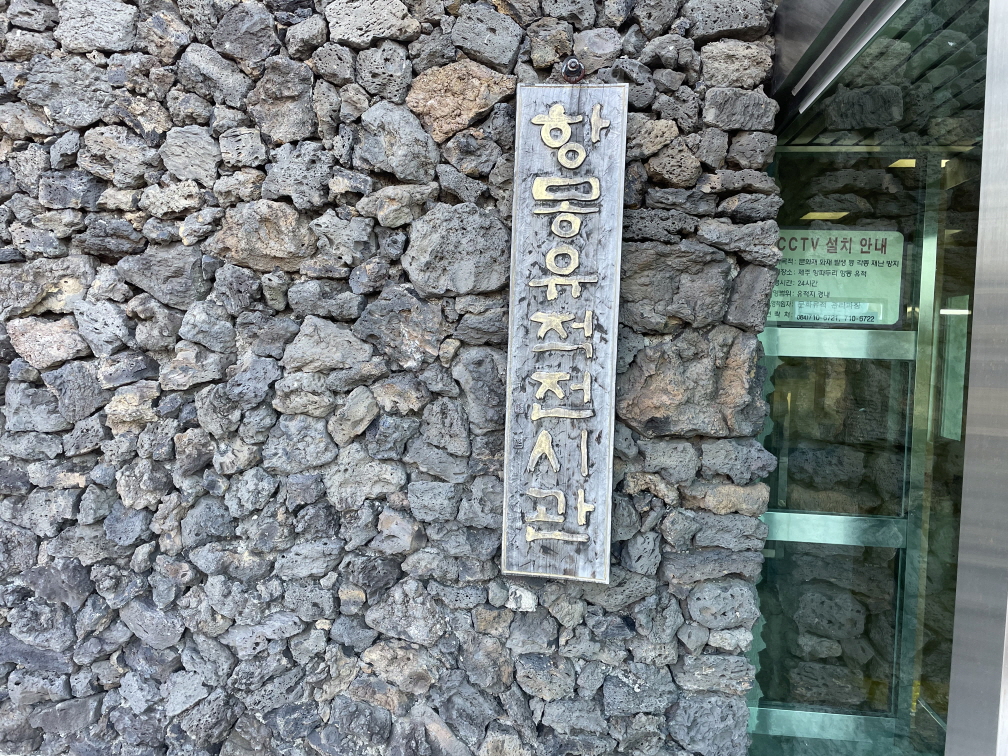
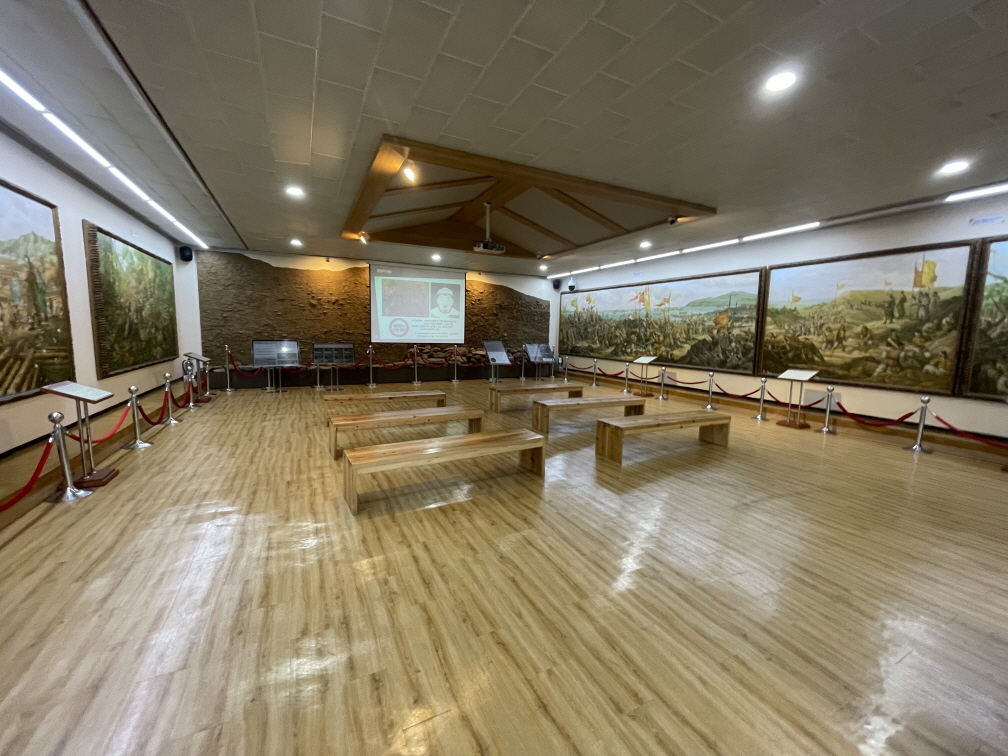
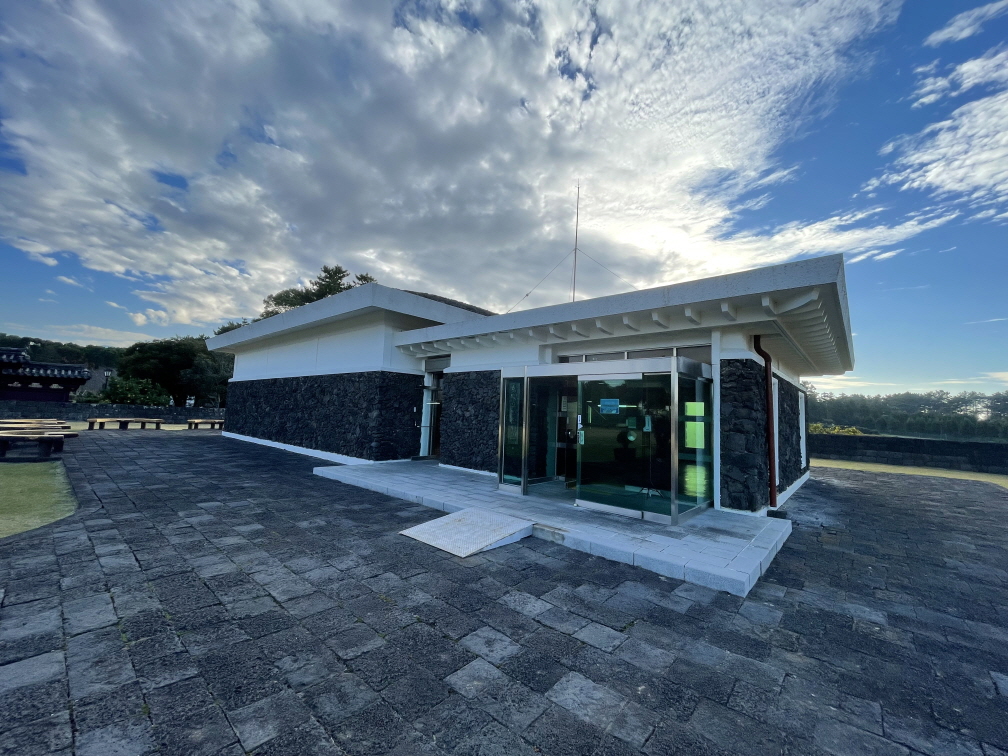
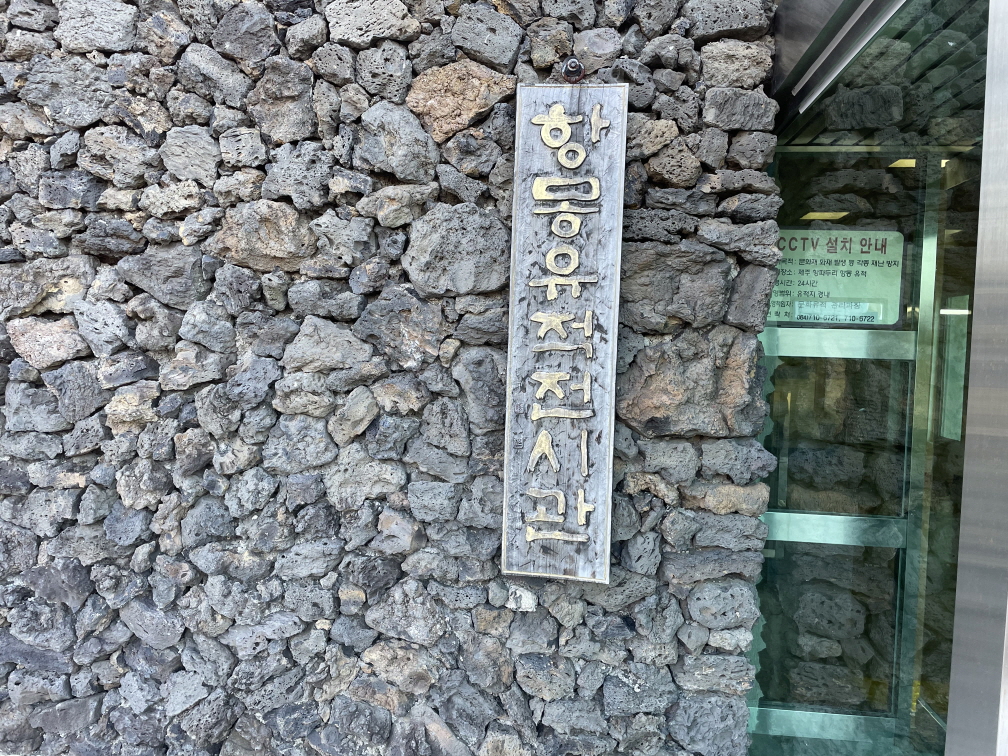
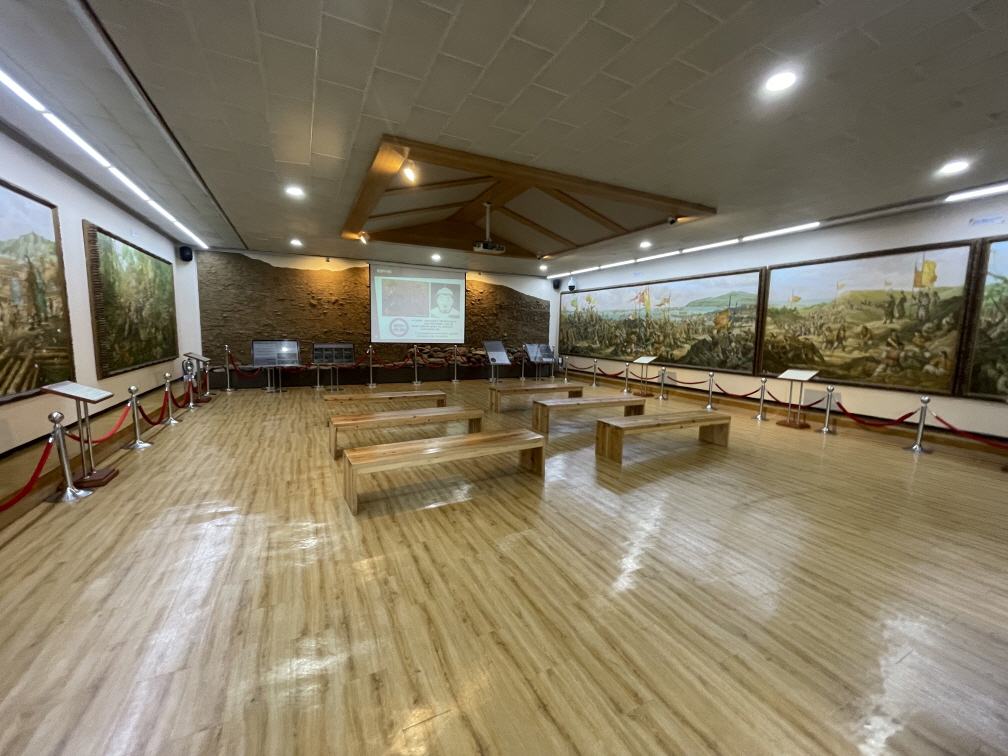
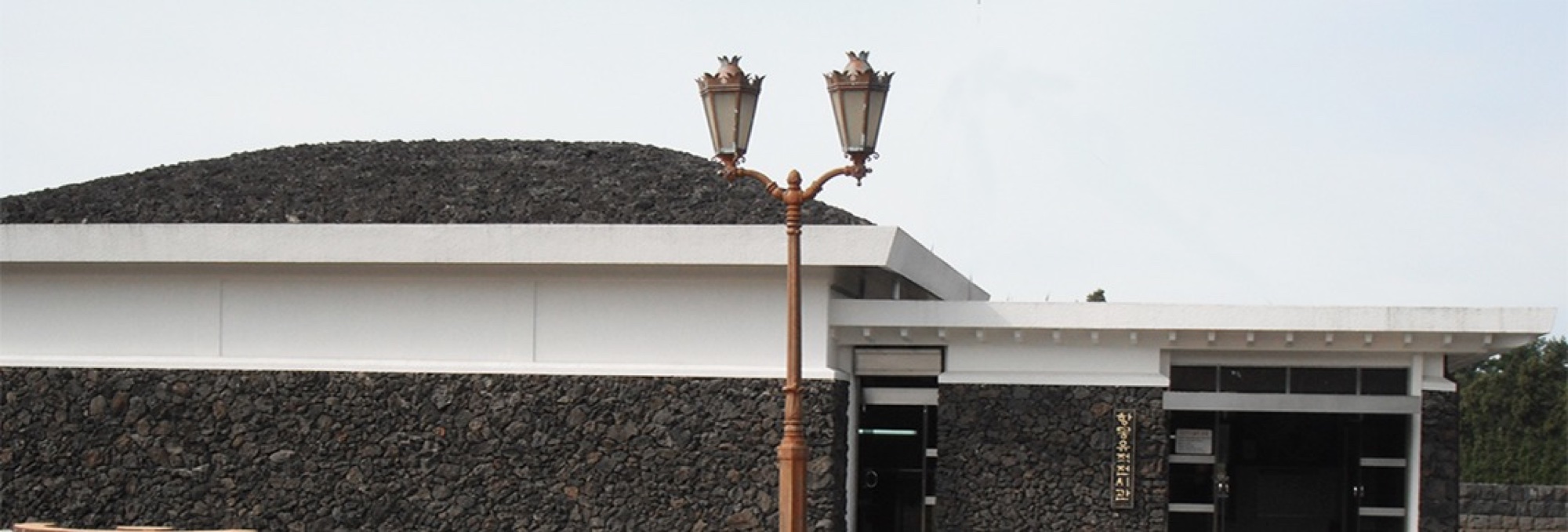
Anti-Mongol Exhibition Hall
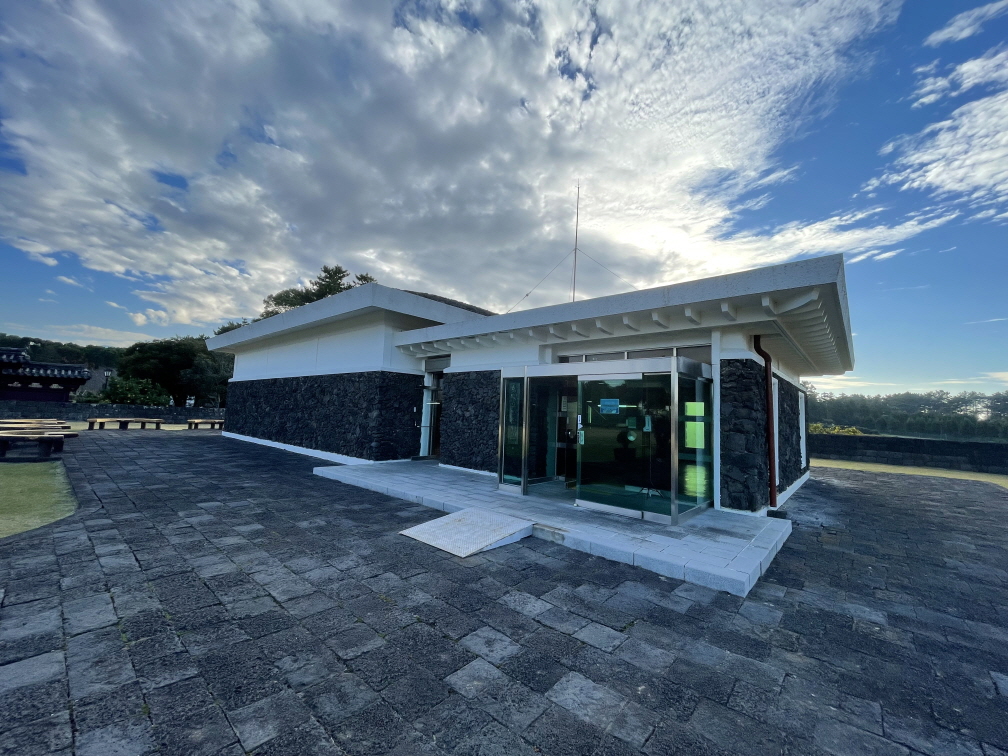
Indoor hall showing paintings of the Sambyeolcho's resistance, excavated relics and a cross-section of the fortress wall.
Photo · 제주 항파두리 항몽 유적(제주시 공식 홈페이지)
- 3
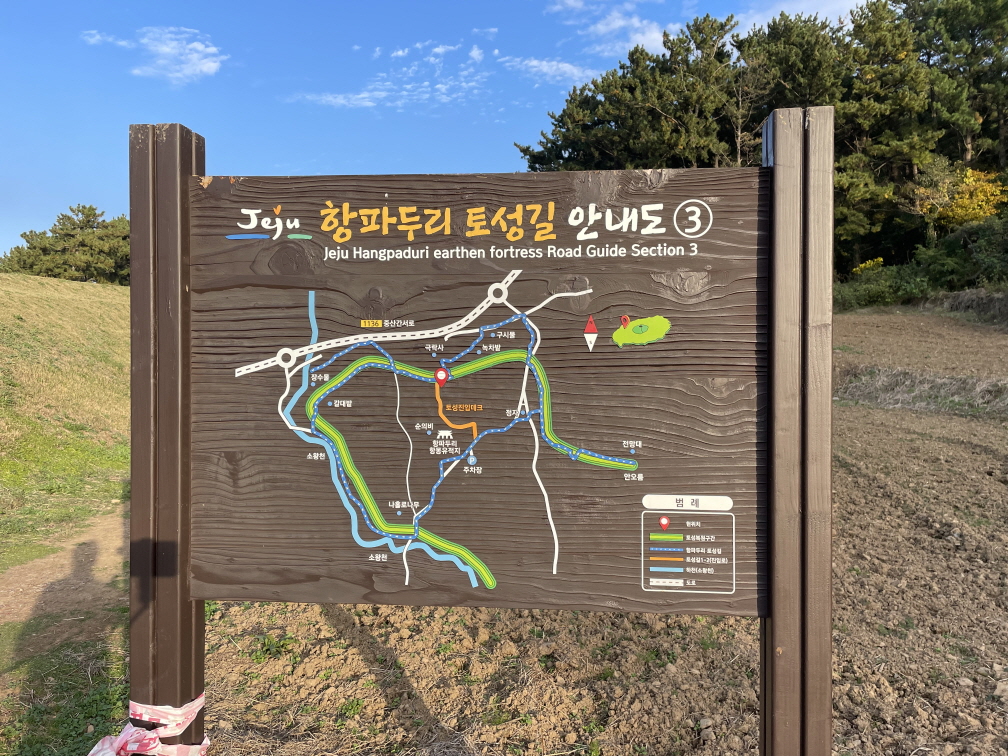
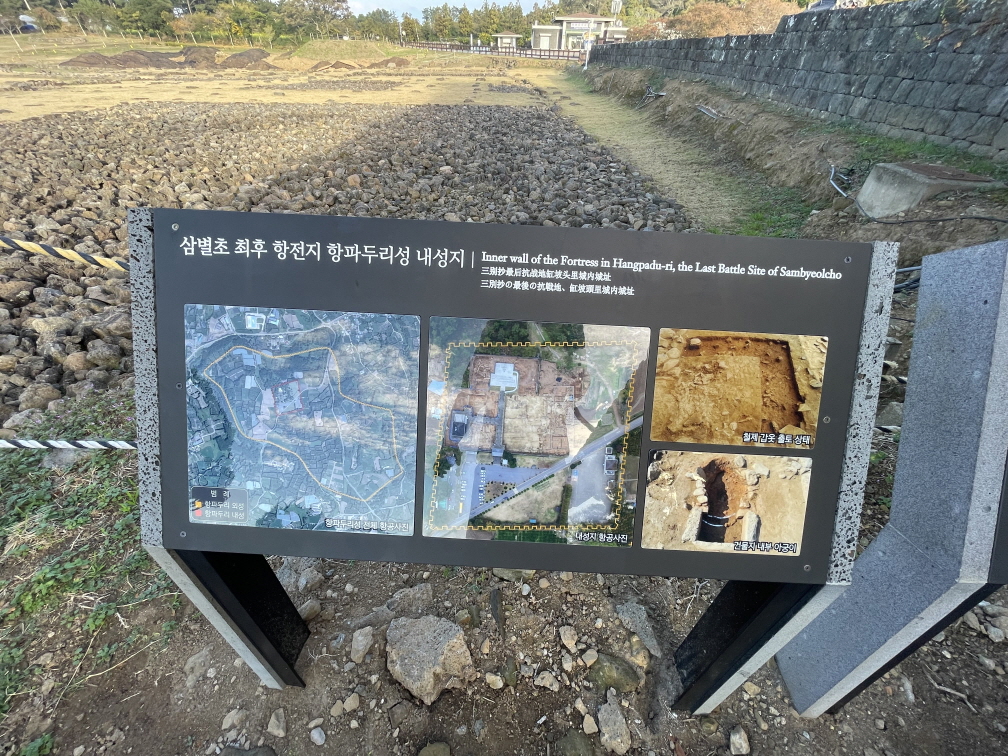
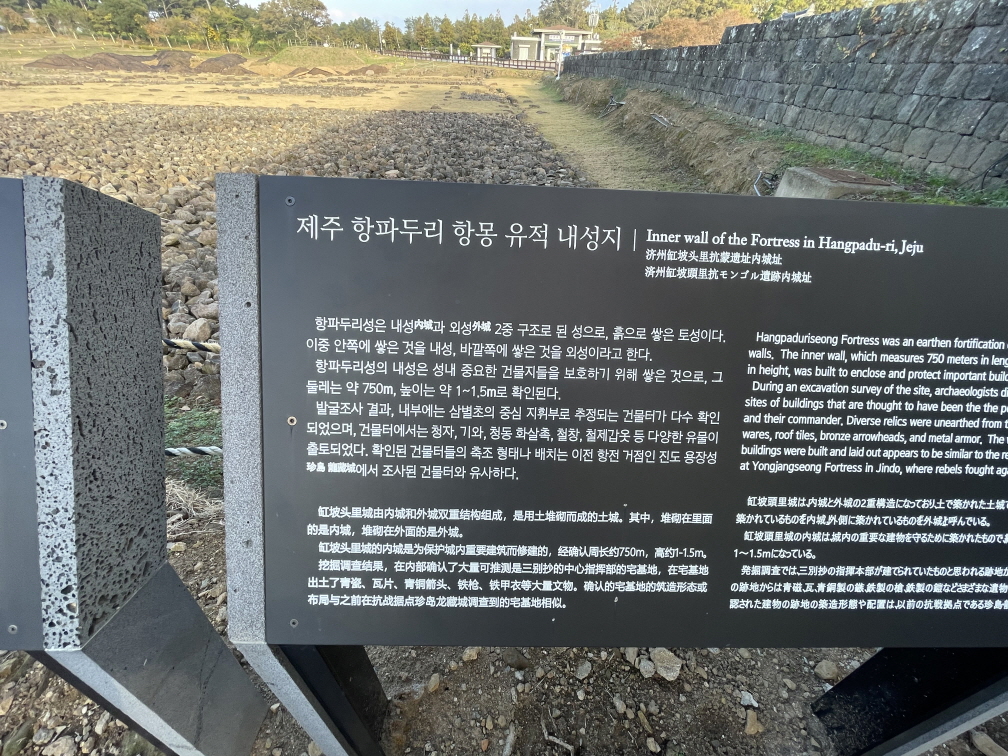
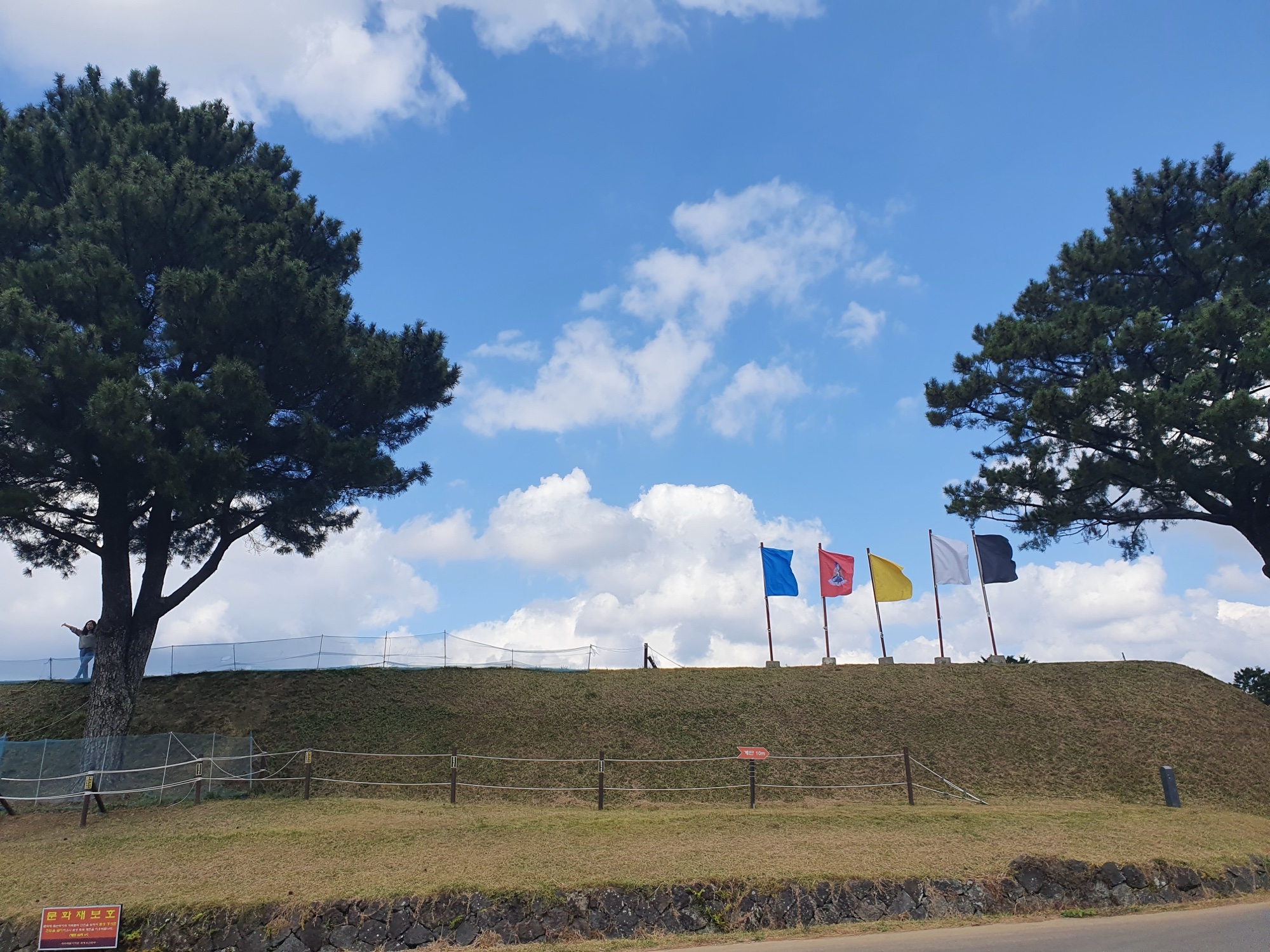
Hangpaduri Earthen Fortress
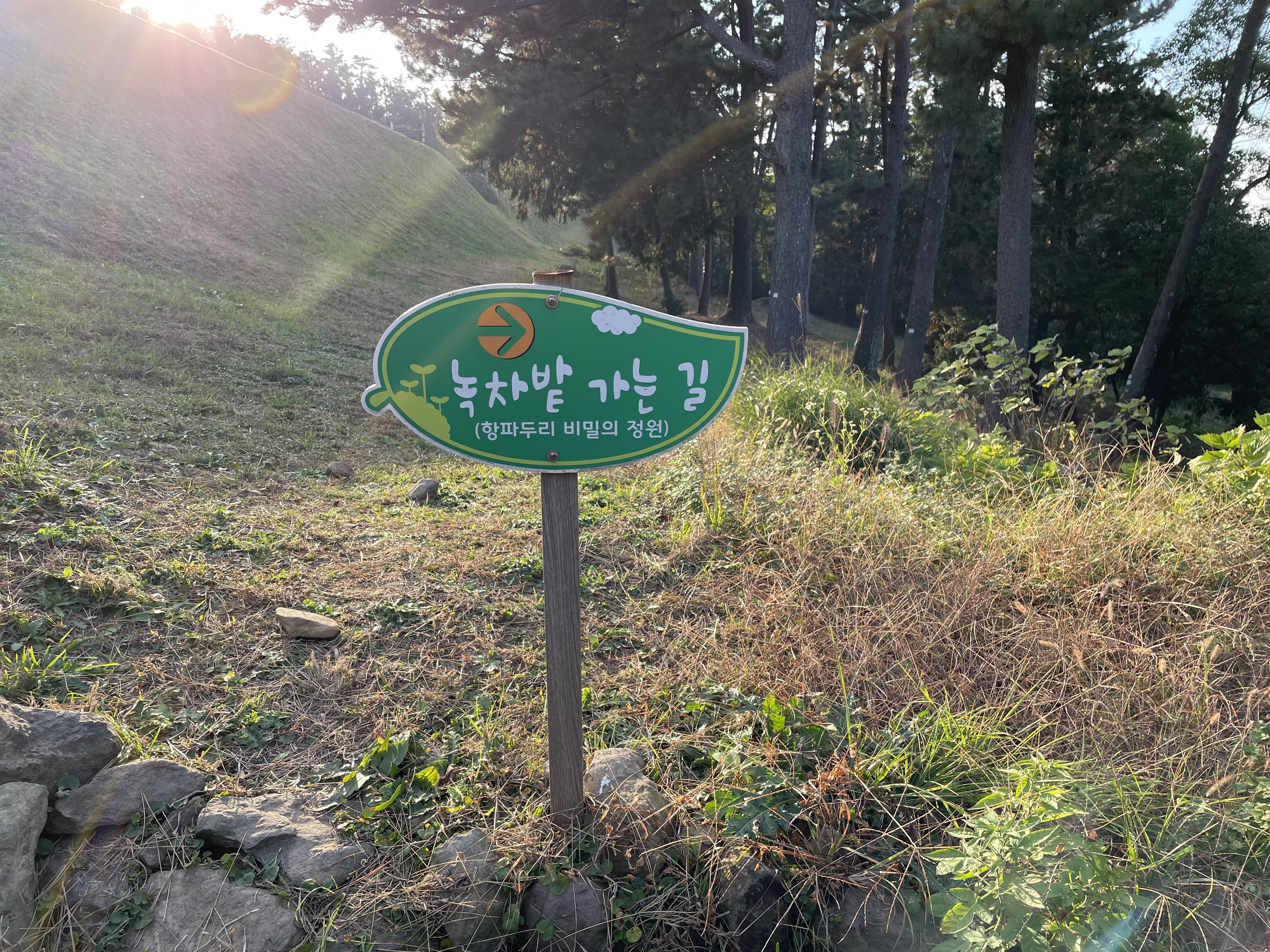
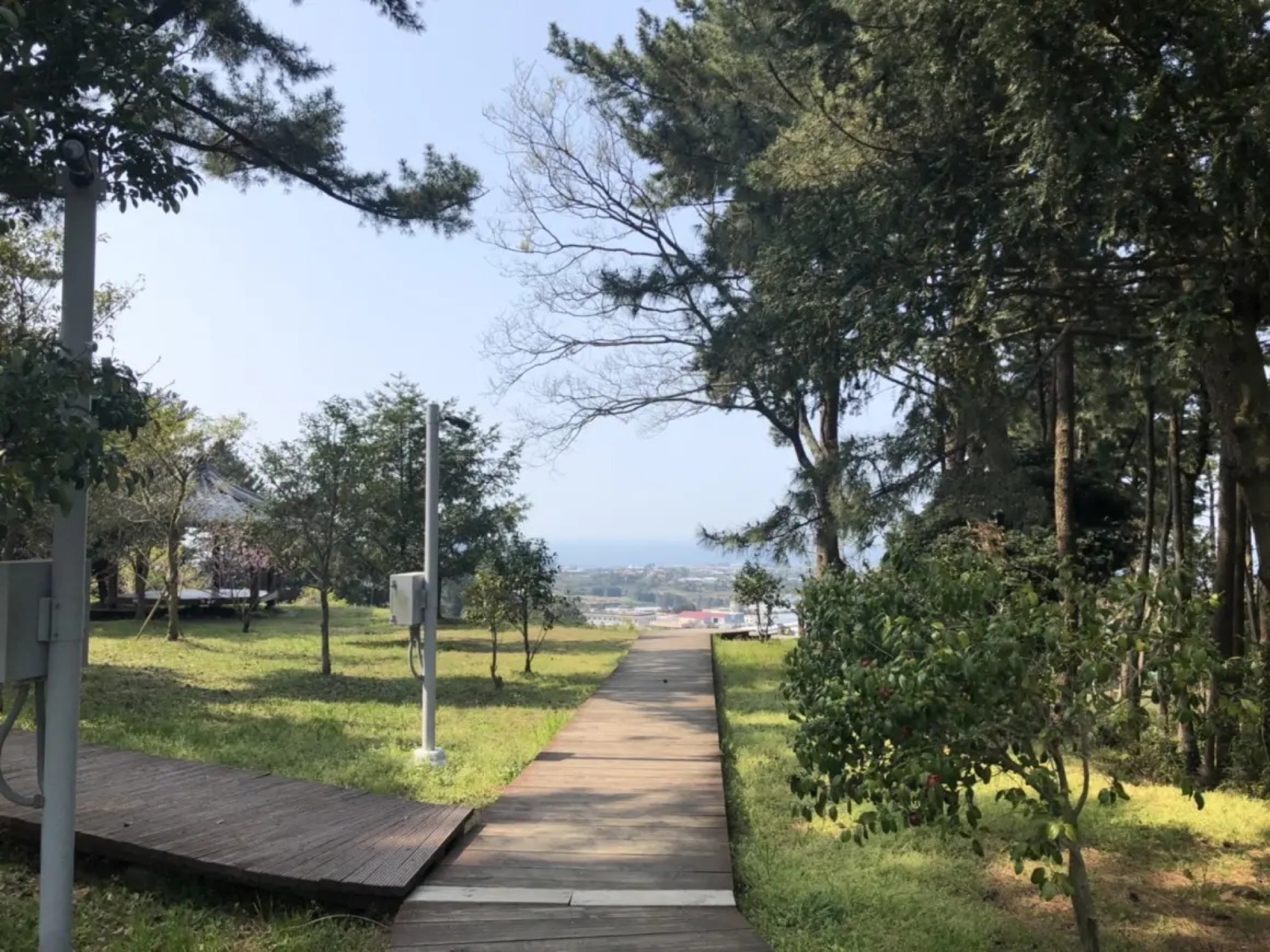
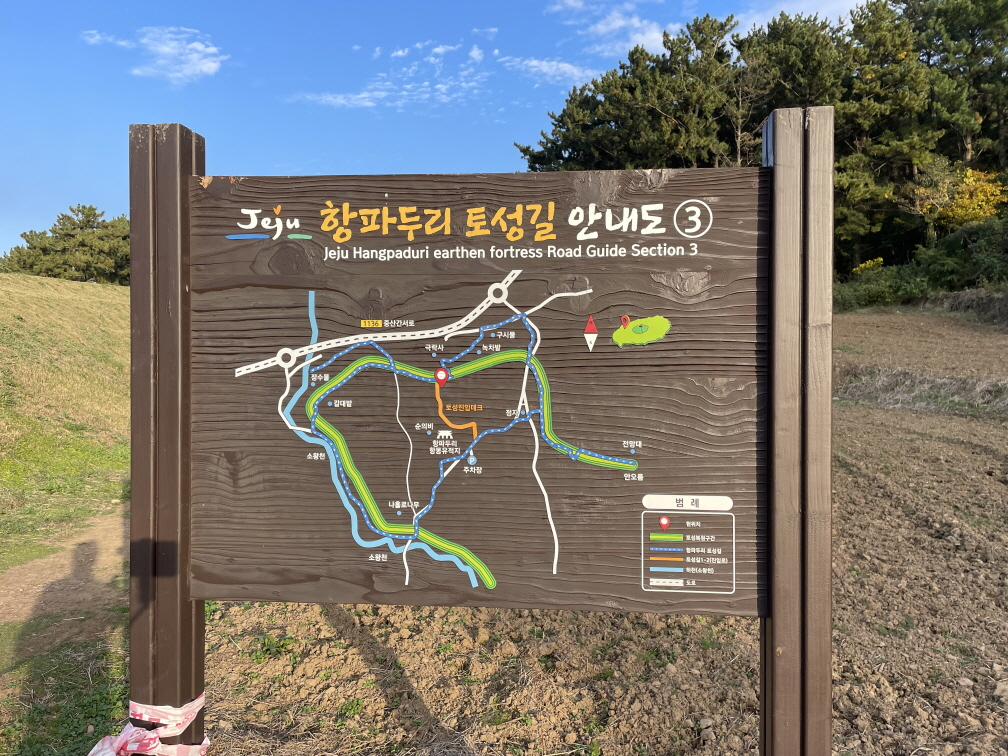
A 3.8km fortress the Sambyeolcho built from packed earth. A walking trail follows it over the hills.
Photo · 제주 항파두리 항몽 유적(제주시 공식 홈페이지) 포토갤러리
- 4
Jangsumul Spring
Water said to have sprung from General Kim Tong-jeong's footprint where he leapt down. Not for drinking.
Explore
Parking
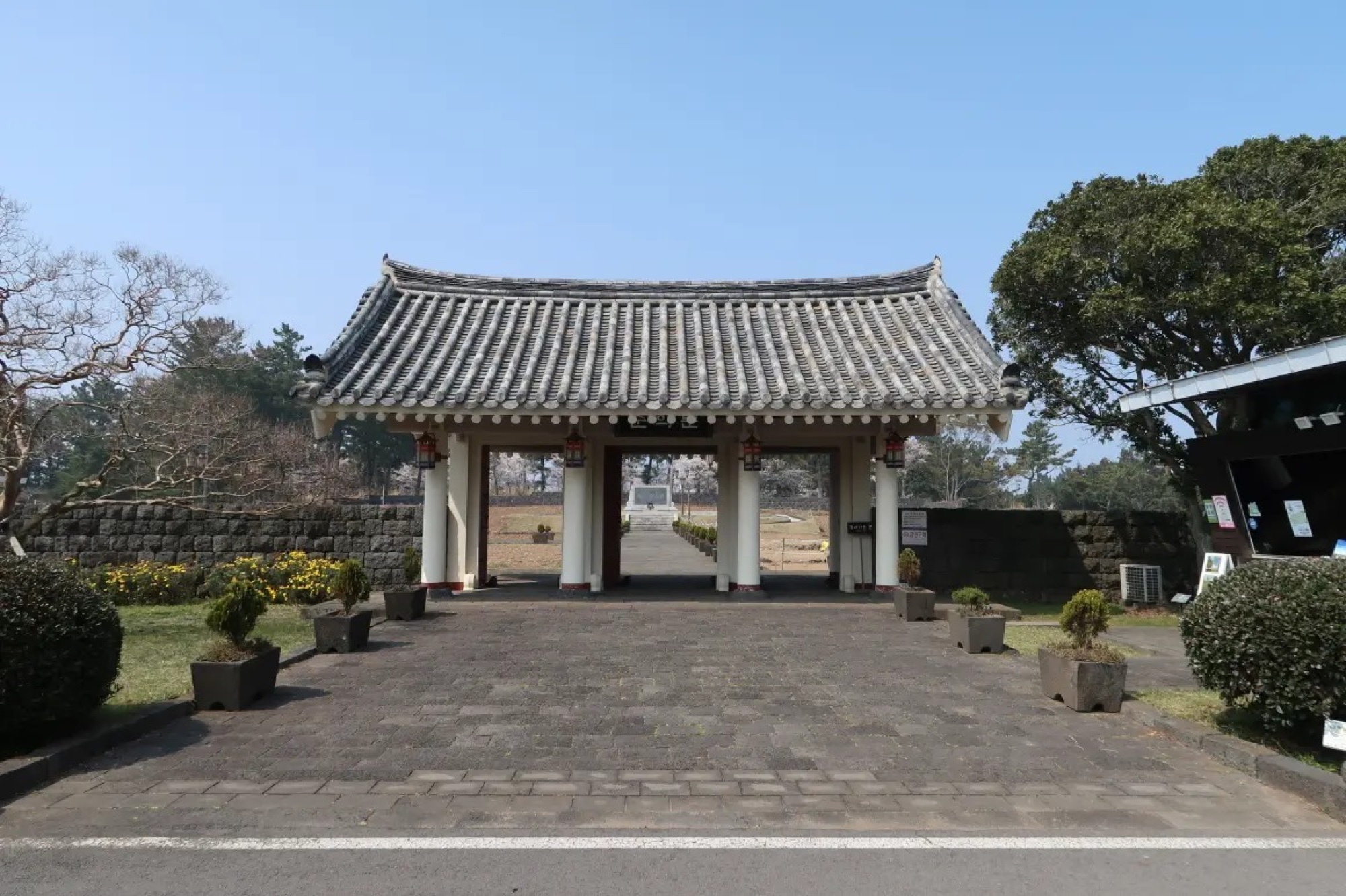
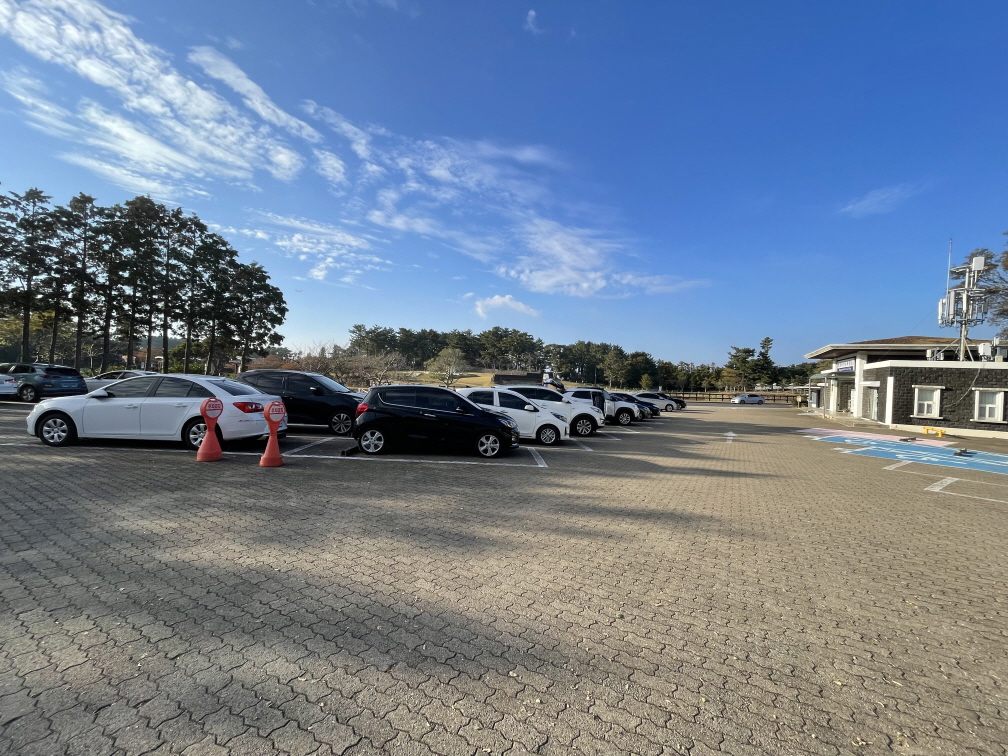
Parking lot east of the site entrance. Just a short walk to the entrance.
Photo · 제주 항파두리 항몽 유적(제주시 공식 홈페이지) 포토갤러리
Best time to visit
- SpringMar–May
The loveliest time, when canola and buckwheat flowers color the edges of the fortress. A favorite photo spot together with the 'Lone Tree'.
- SummerJun–Aug
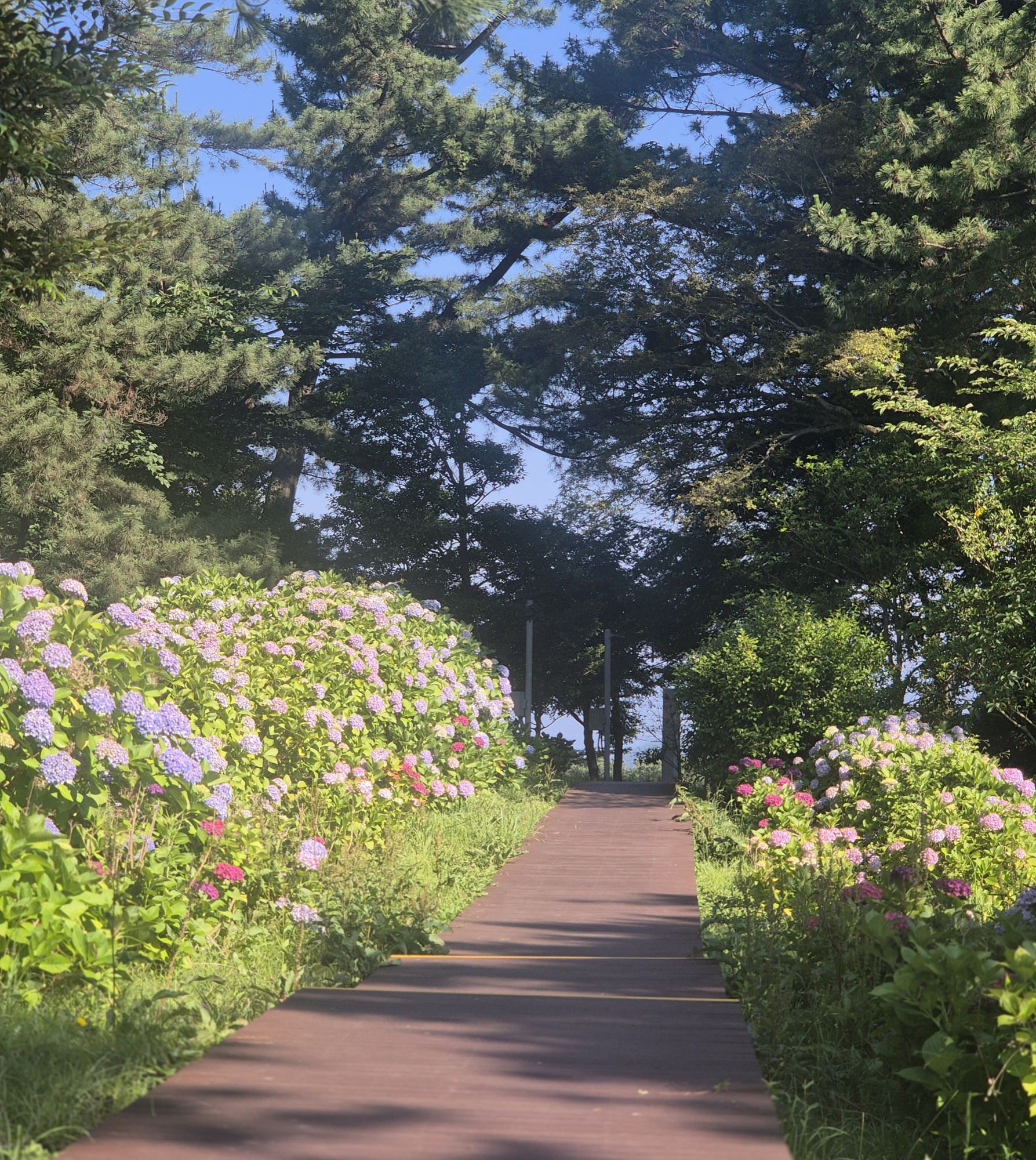
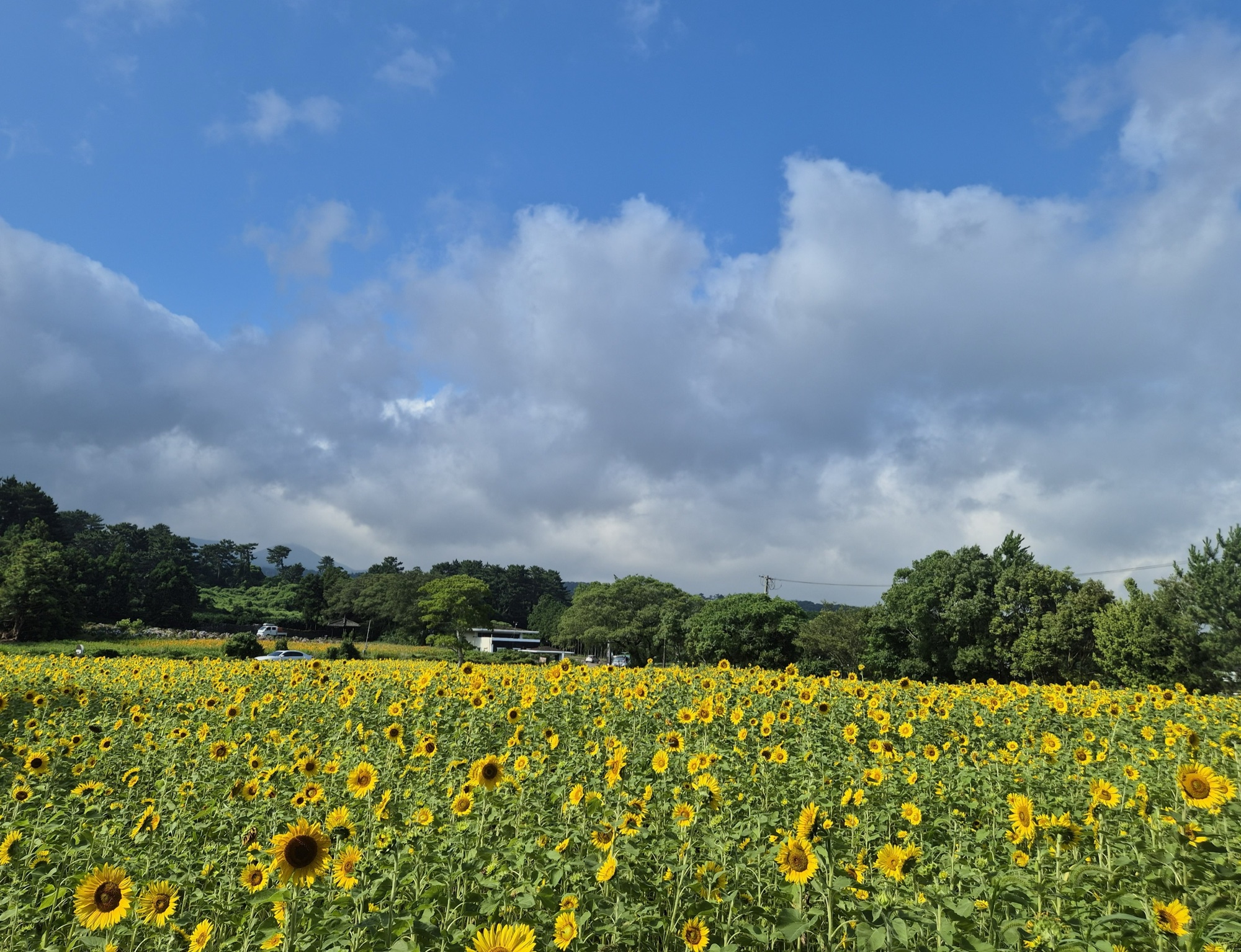
The earthen walls grow deep green. There's little shade, so an early visit is recommended.
- AutumnSep–NovNow
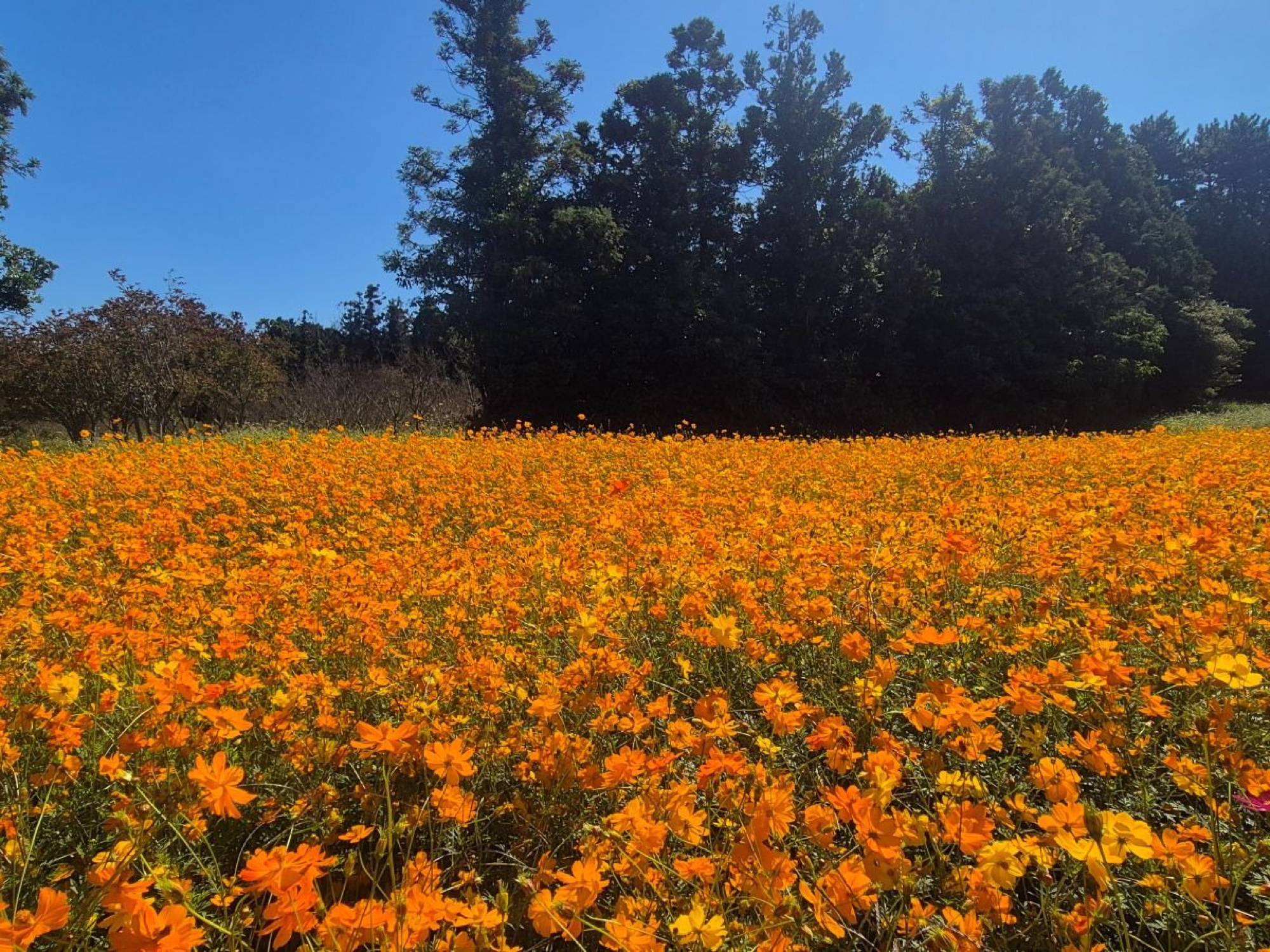
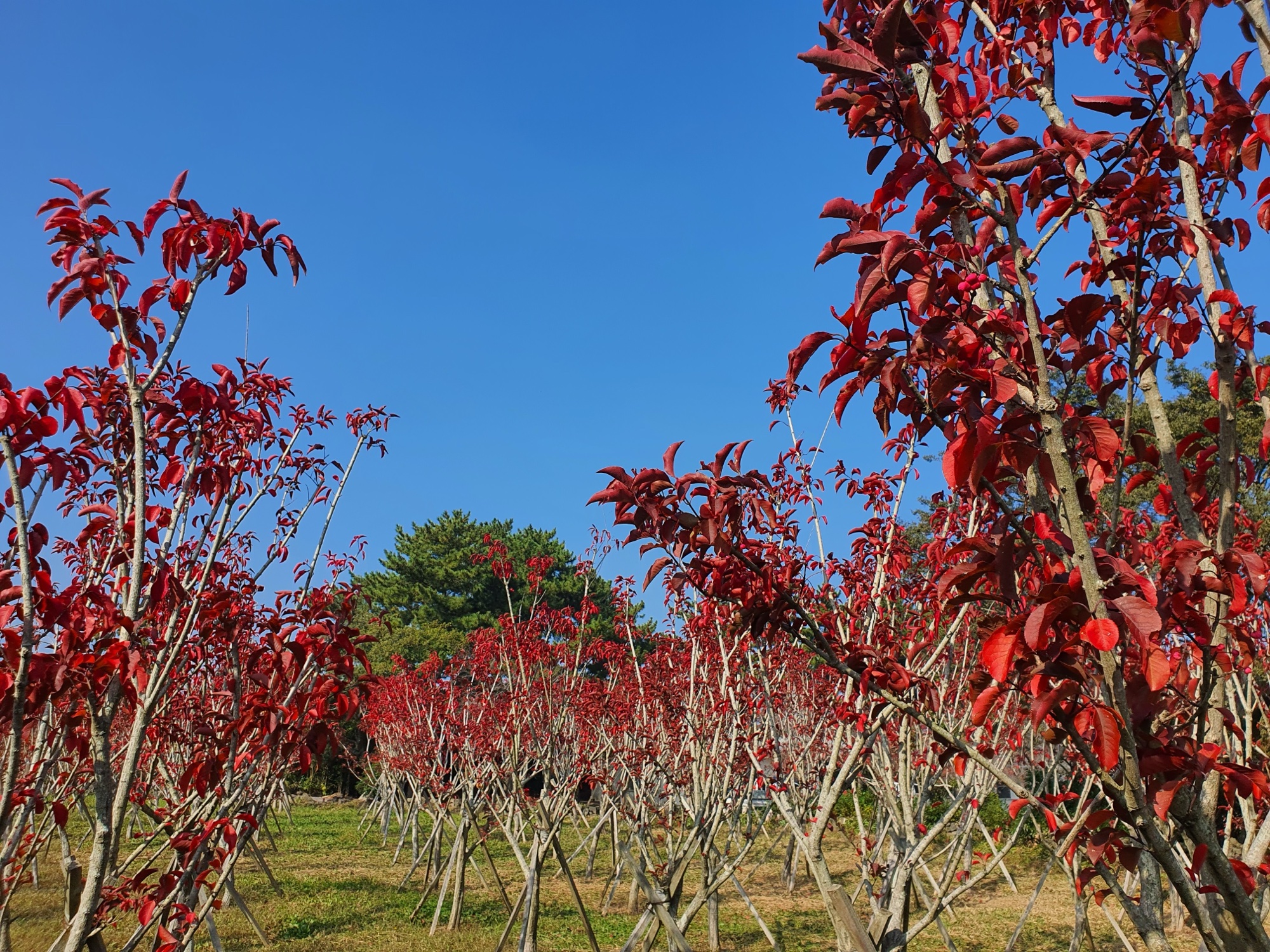
Silver grass and autumn leaves spread along the walls, and cool, pleasant walking weather continues.
- WinterDec–Feb
A good time to take in the history and the fields in peace and quiet.
Good to know before you go
Seeing everything, including the earthen fortress, takes about 1–2 hours. If you can, we recommend walking all the way to the fortress walls.
Admission is free. (Open 09:00–18:00, last entry 17:30)
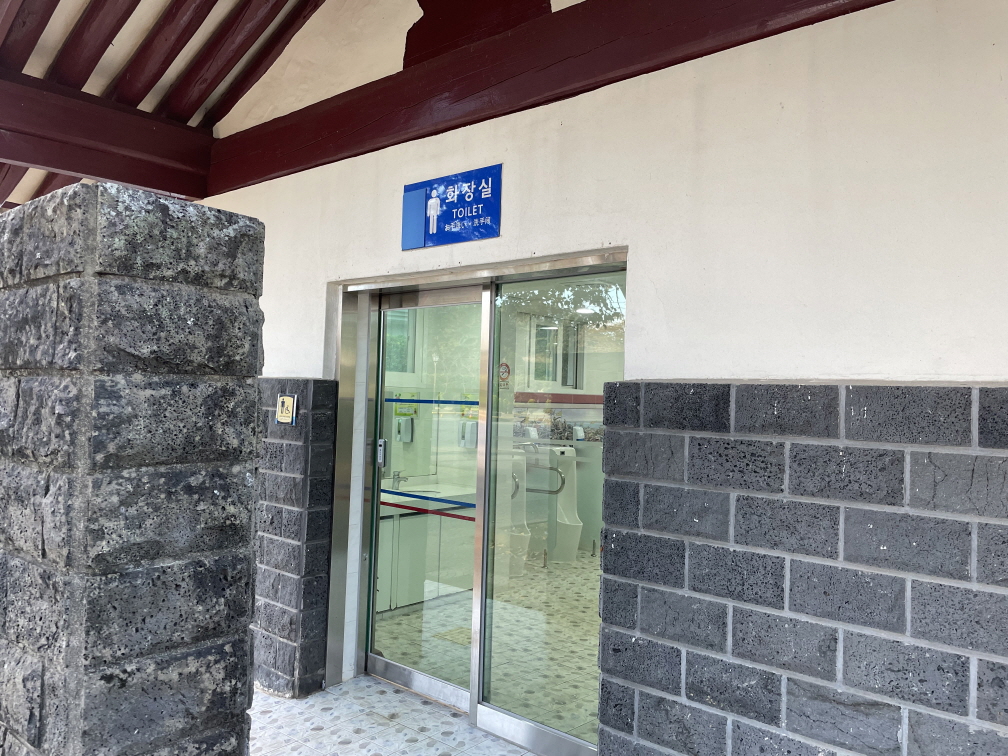
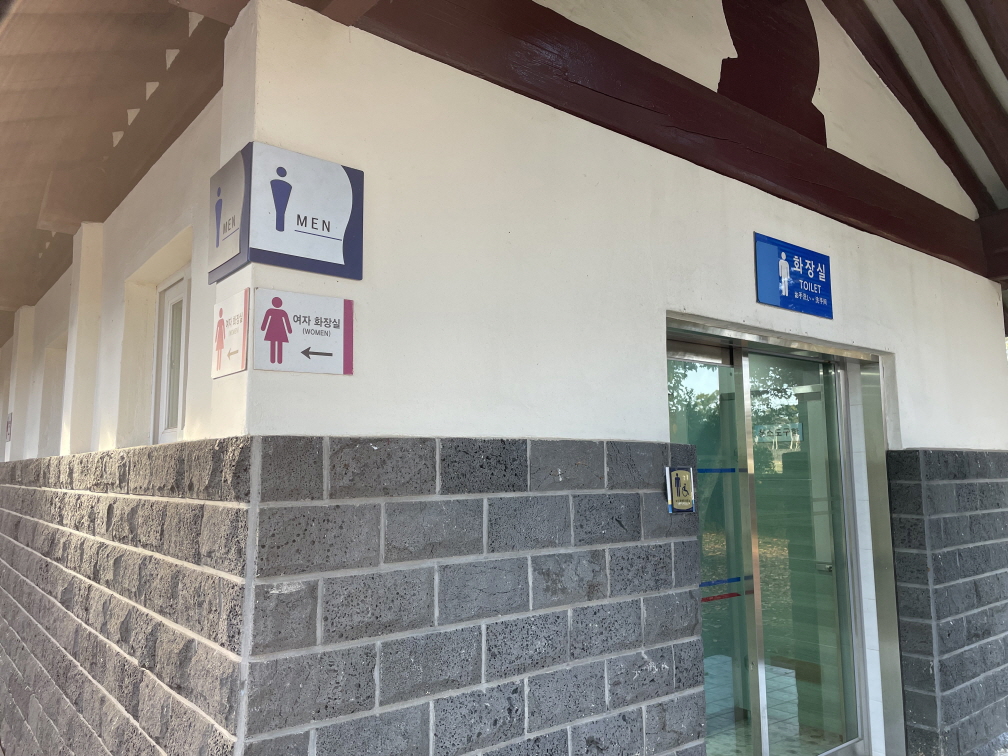
There's a large parking lot, and the restrooms are fairly clean.
In spring, the canola and buckwheat fields come together with the 'Lone Tree' photo spot.
This is a national Historic Site where the Sambyeolcho resisted the Mongols. Visit the exhibition hall first and the fortress will speak to you more deeply.
Visitor info
Timed programs
- Exhibition guided tourOn the hour, 10:00 · 11:00 · 13:00–16:00Reservation requiredOfficial website or the Anti-Mongol Historic Site information center (064-710-6726~7)
On site
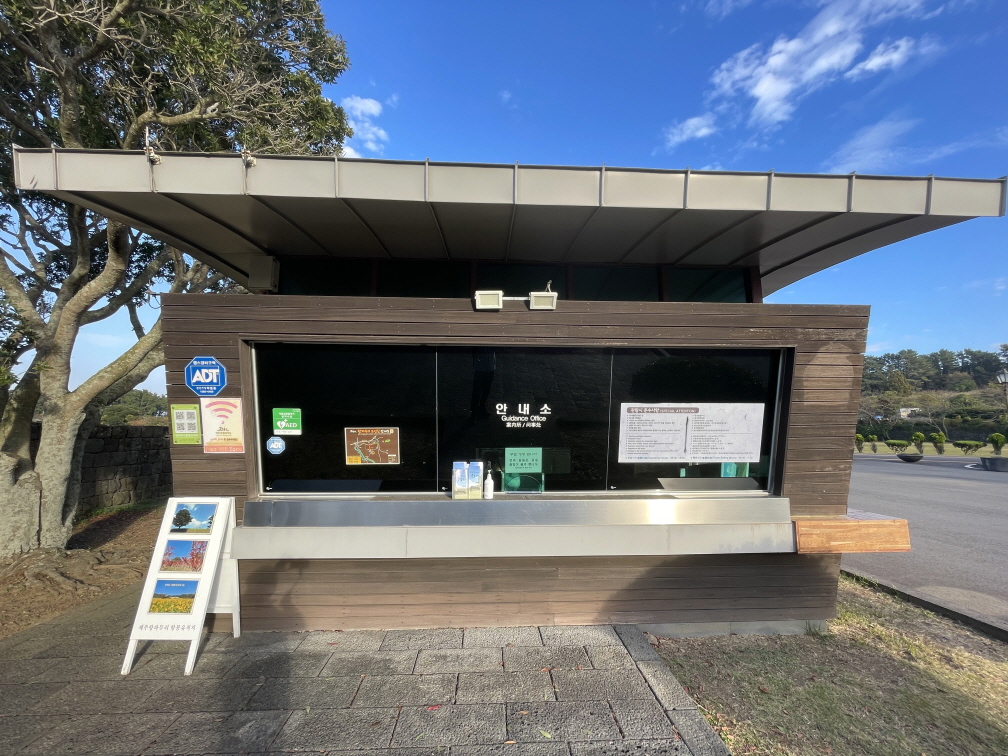
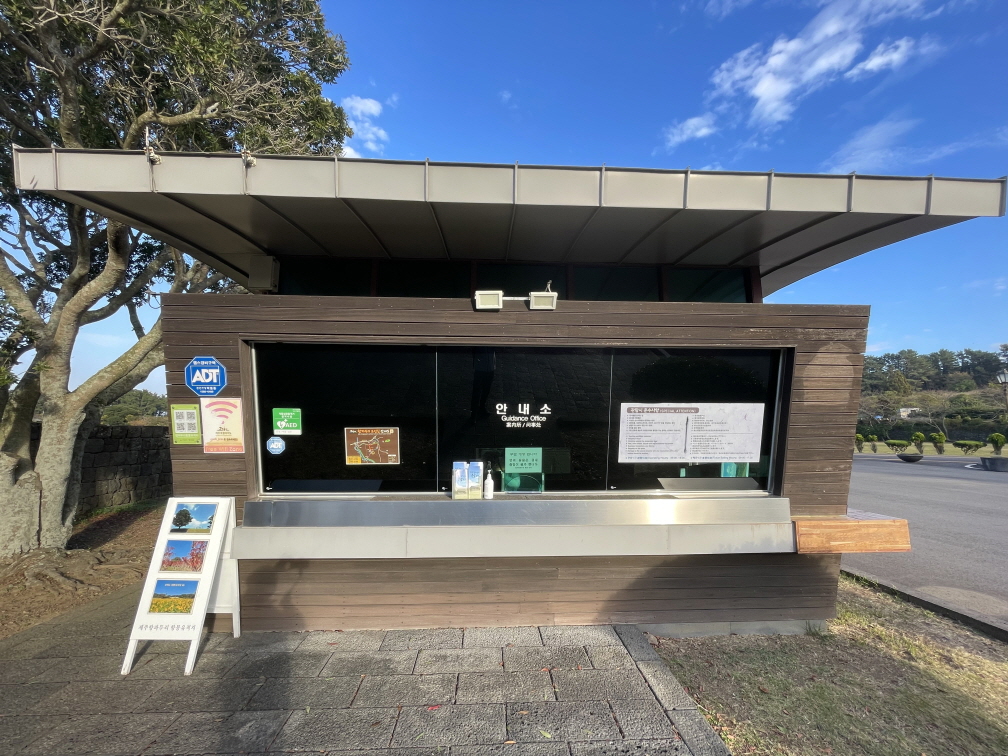
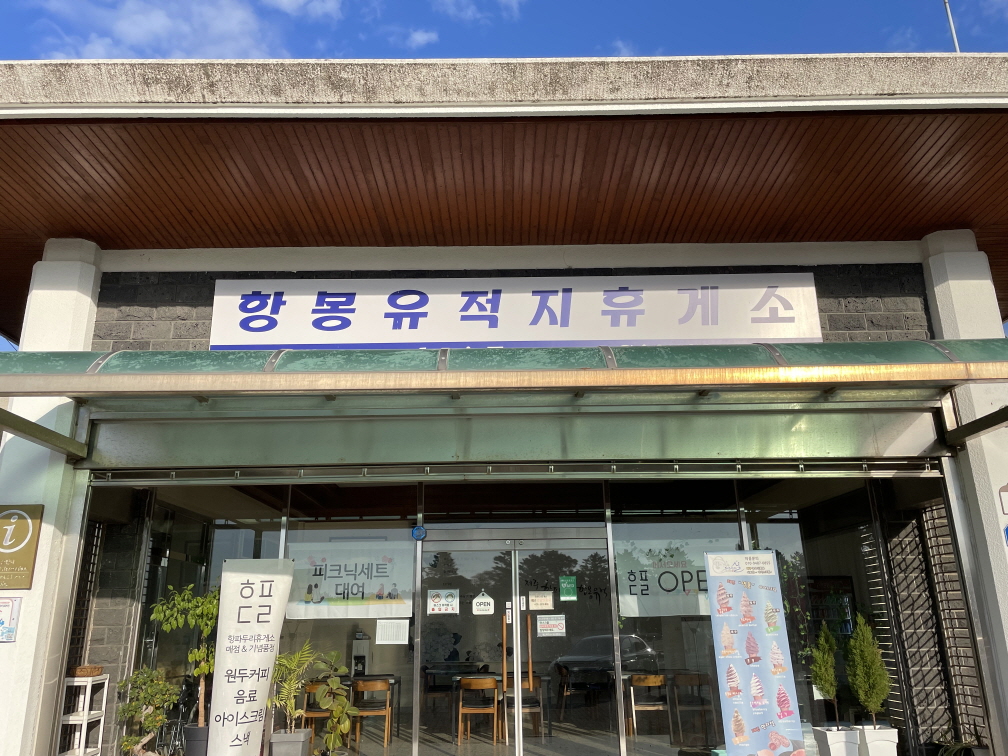
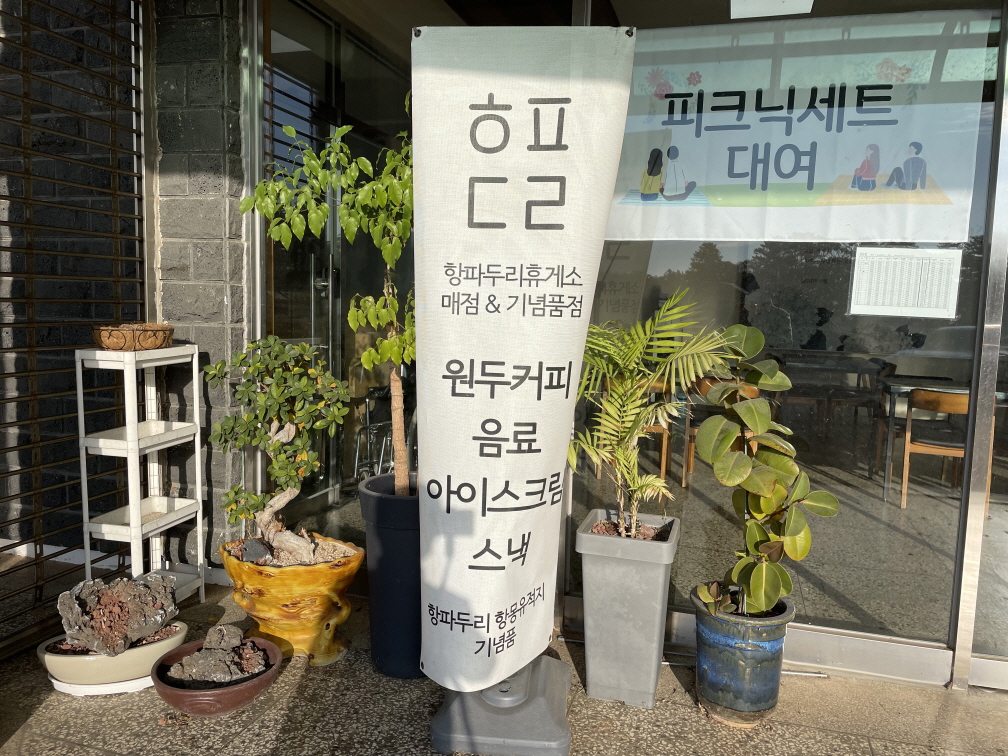
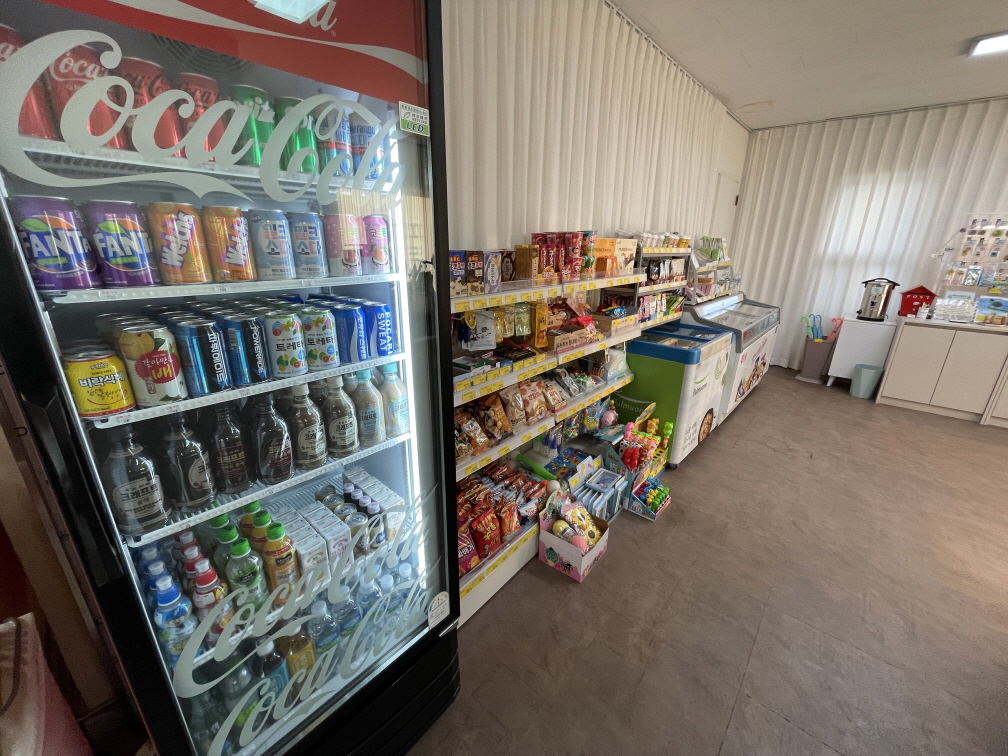
- Info desk
Not allowed
- Touching
- Food
- Pets
Also
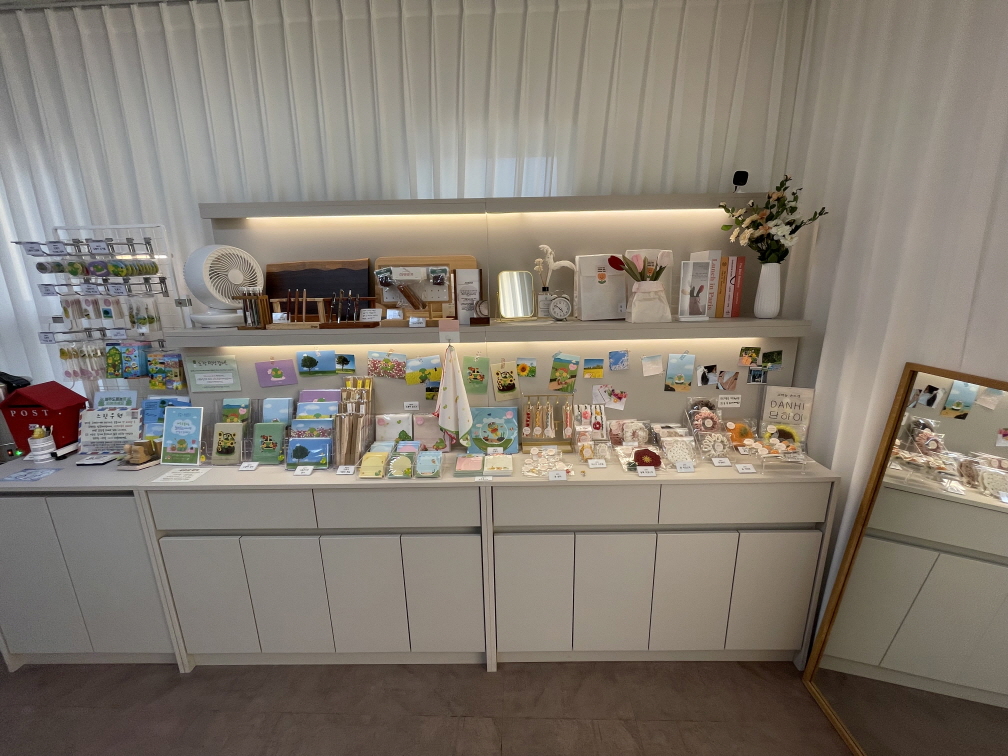
- See historical paintings, excavated relics and a fortress cross-section model in the exhibition hall
- No walking on the lawn, cycling or inline skating