Jeju Chusa Memorial Hall (제주추사관)
- MoClosed
- Tu09–18
- We09–18
- Th09–18
- FrToday09–18
- Sa09–18
- Su09–18
Closed on January 1, Seollal (Lunar New Year) and Chuseok
Last entry 17:30
- Admission
- Free
- Parking
- 1 lot
- Location
- 44 Chusa-ro, Anseong-ri, Daejeong-eup, Seogwipo-si, Jeju
- Website
- Official website
- Phone
- 064-710-6865
- Checked
- 11/2026 · Official website
Current exhibitions
Official websiteSee exhibitions on the website →Story
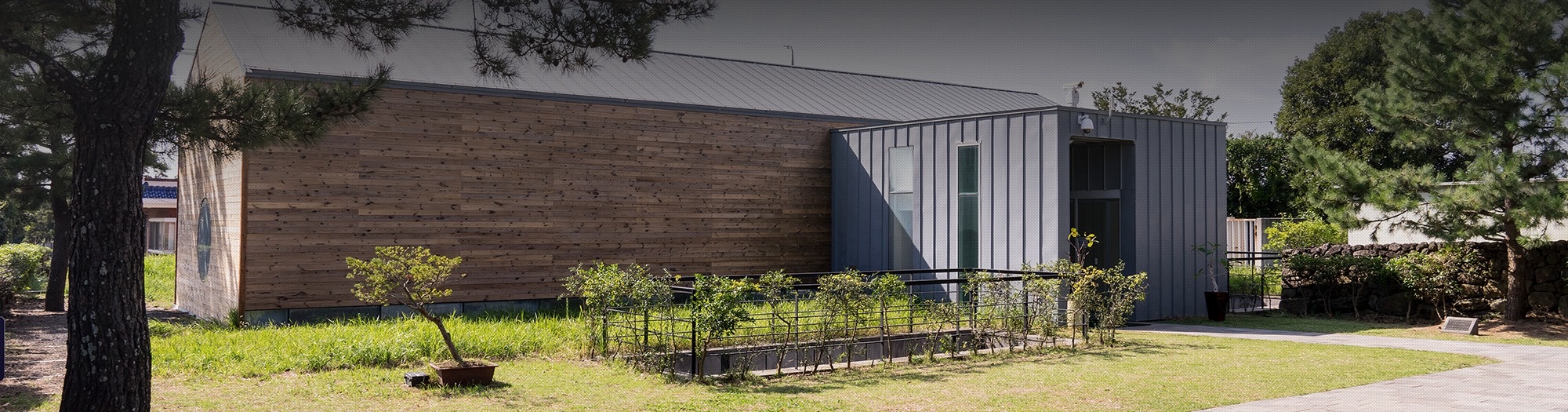
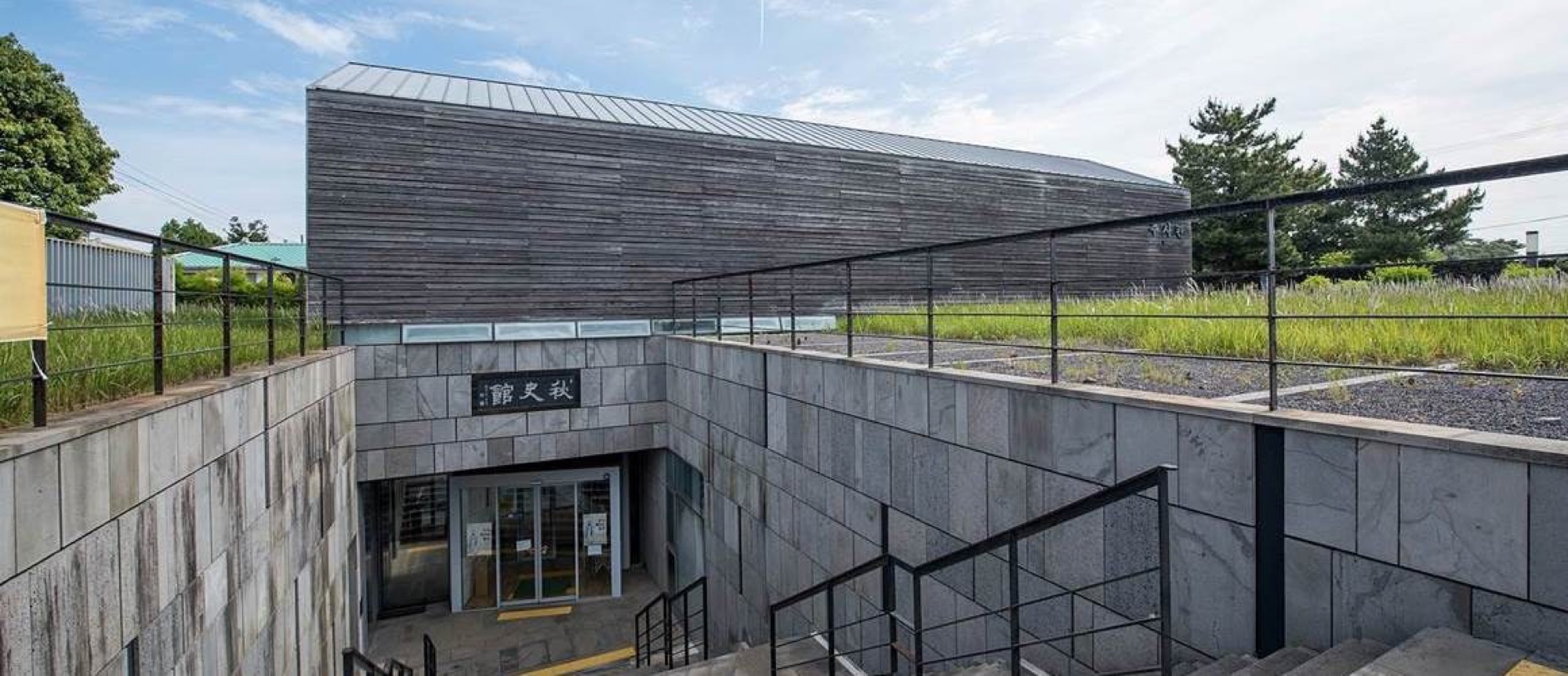
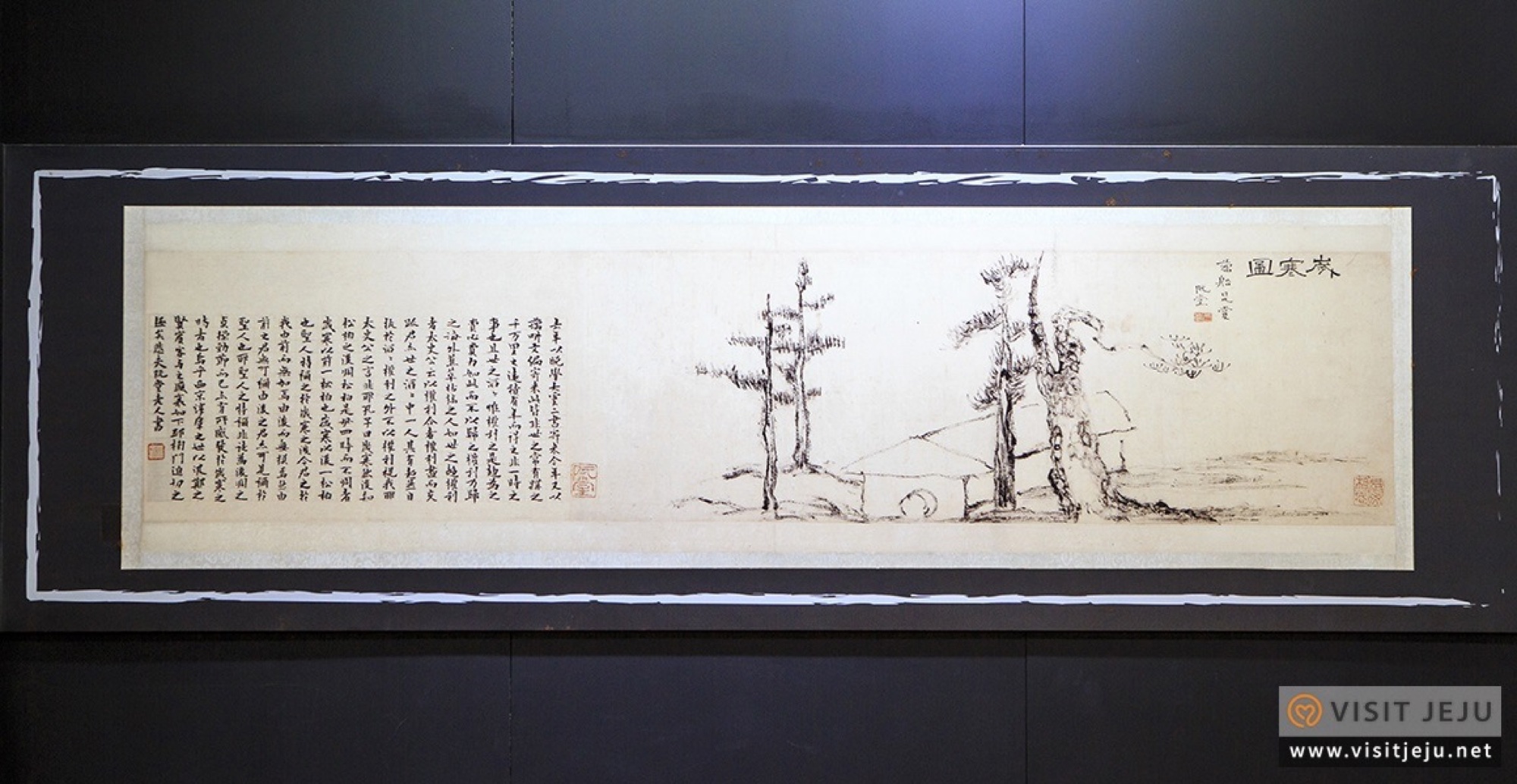
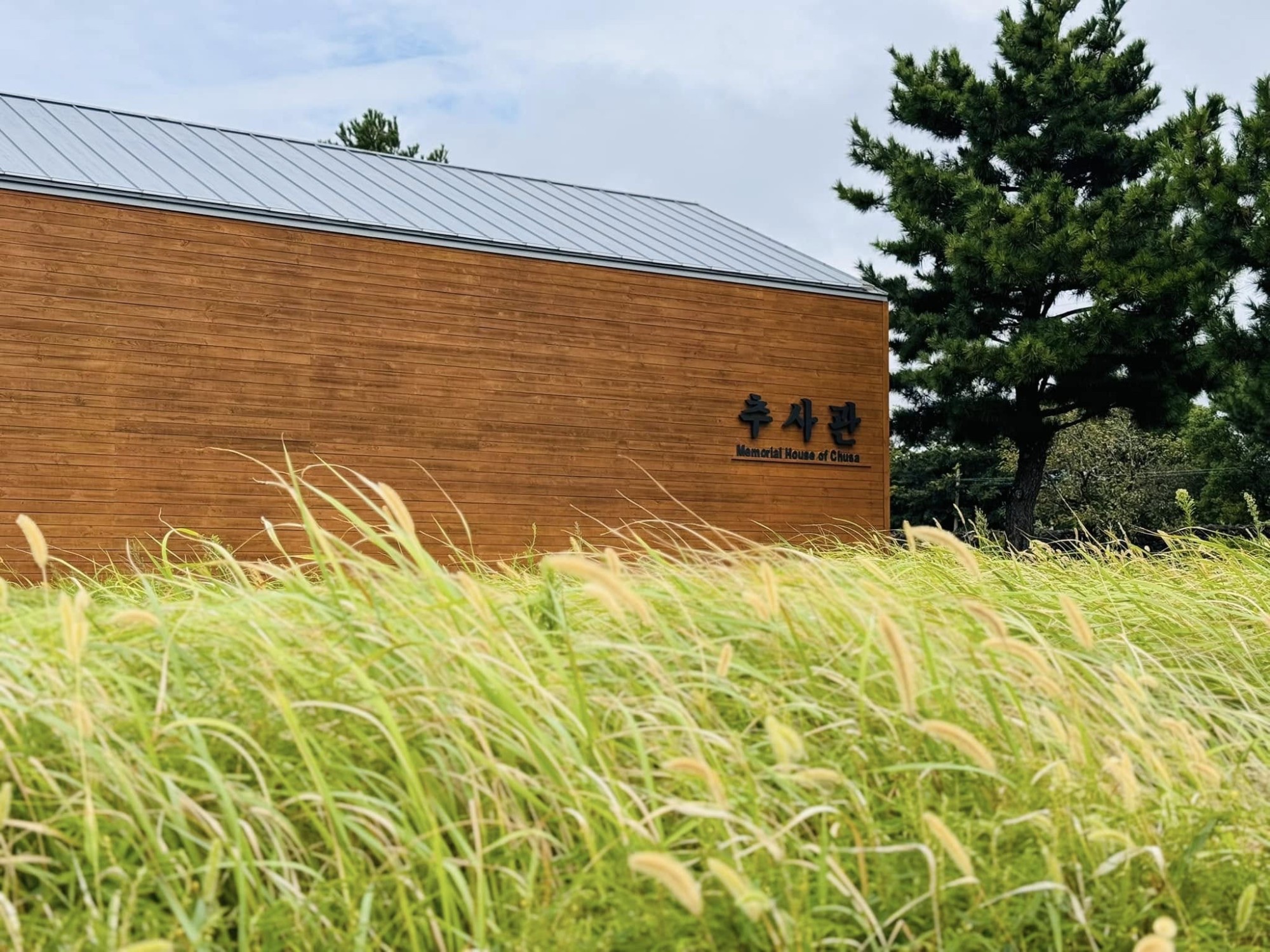
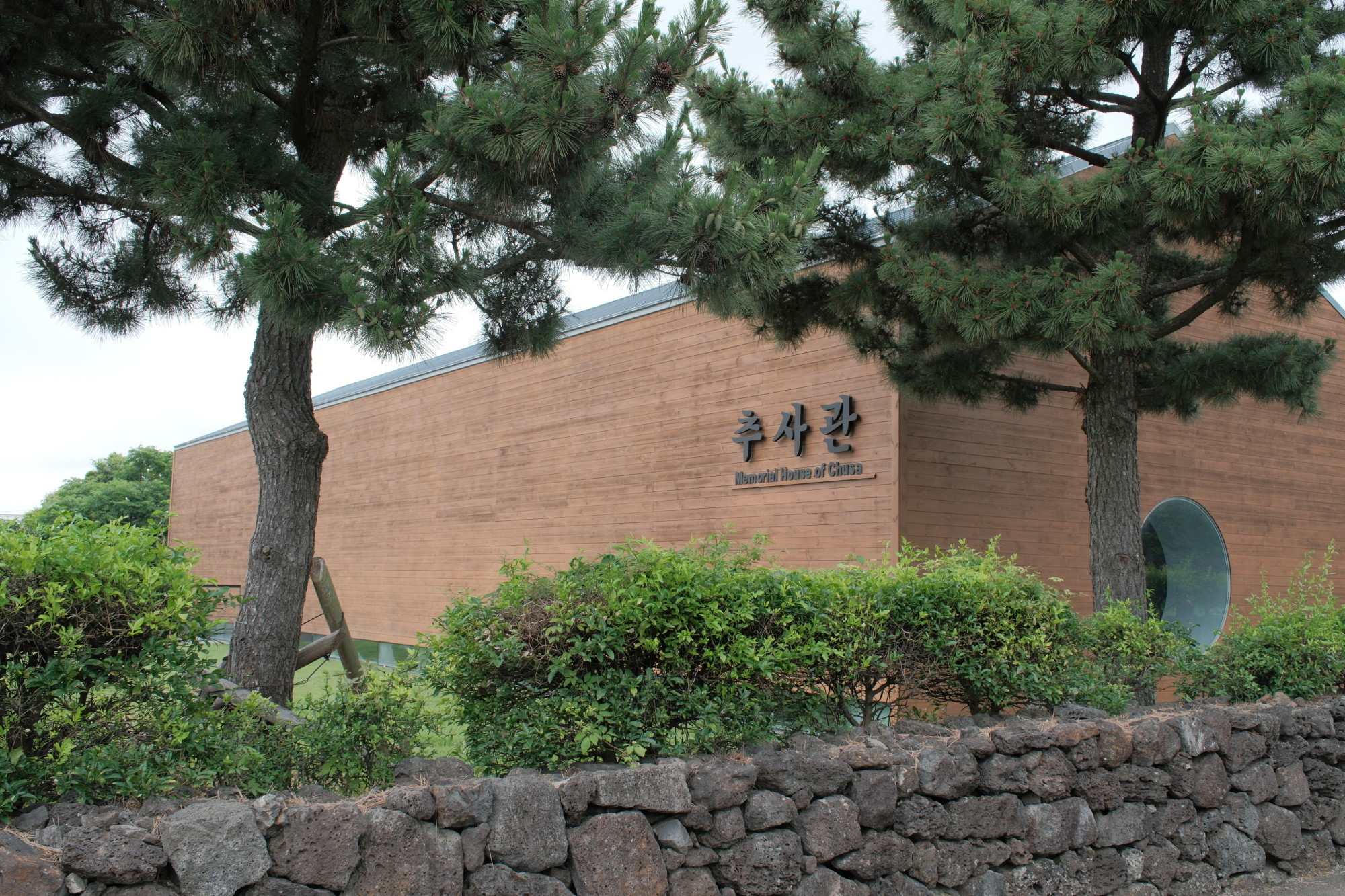
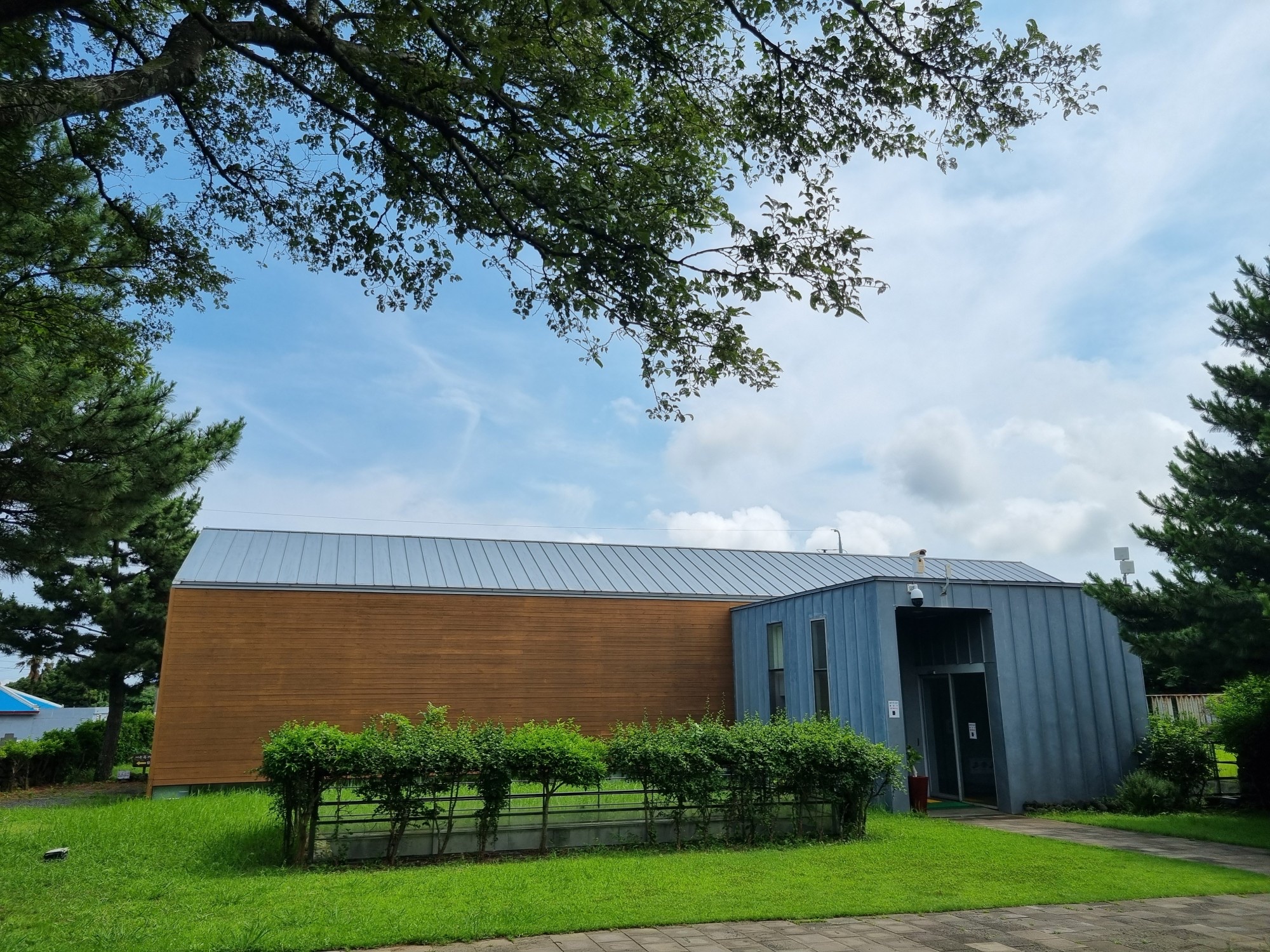
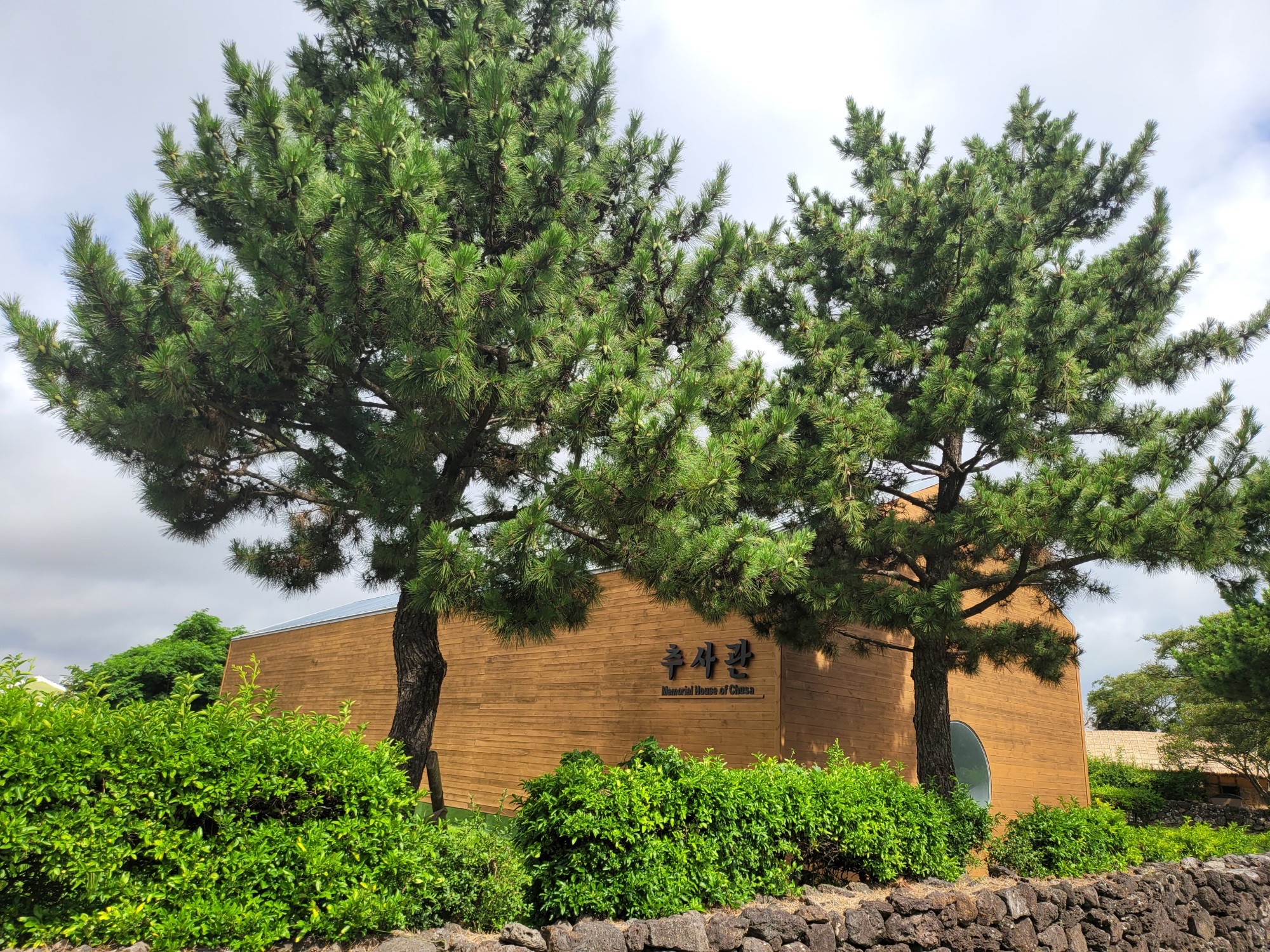
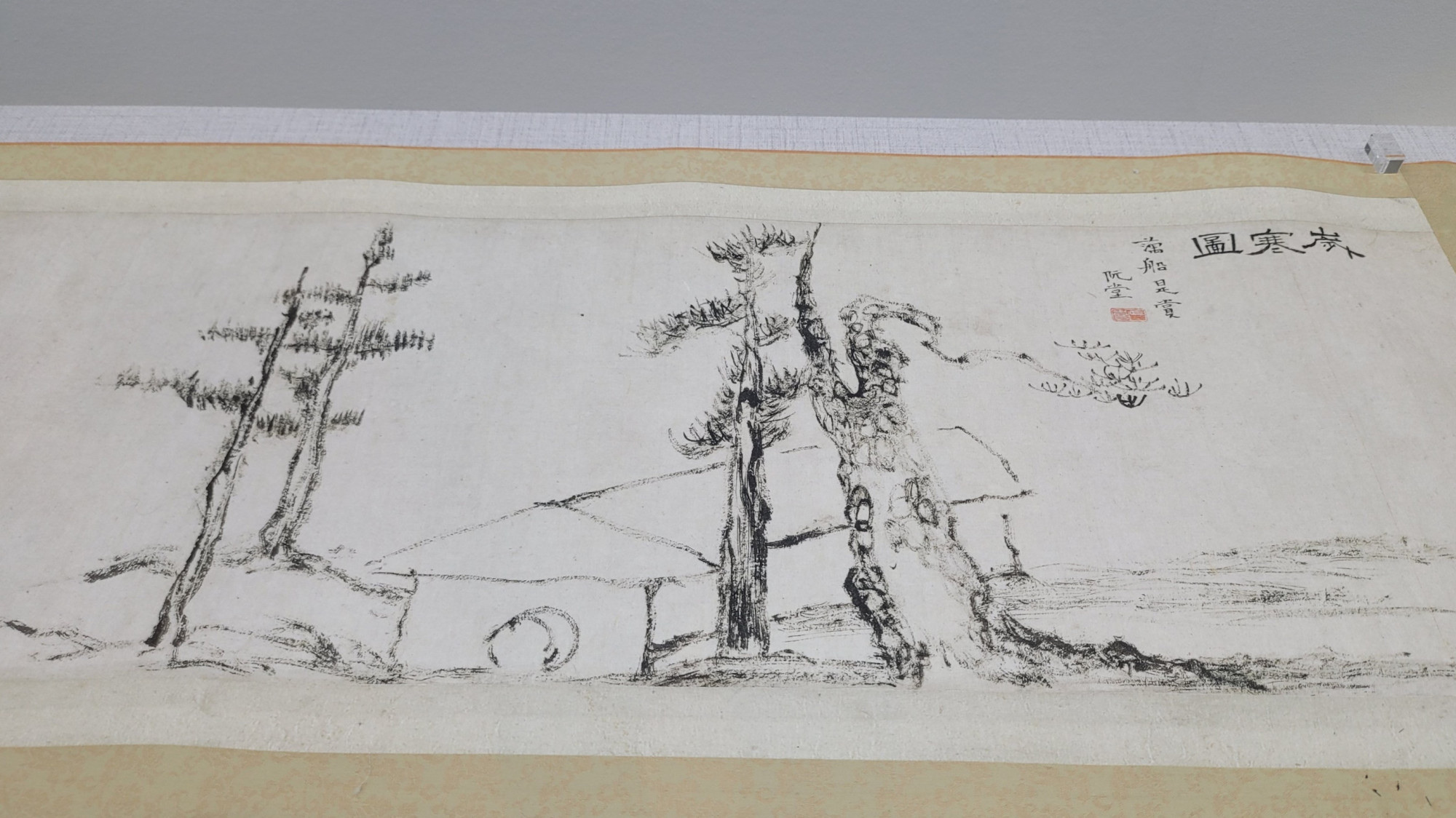
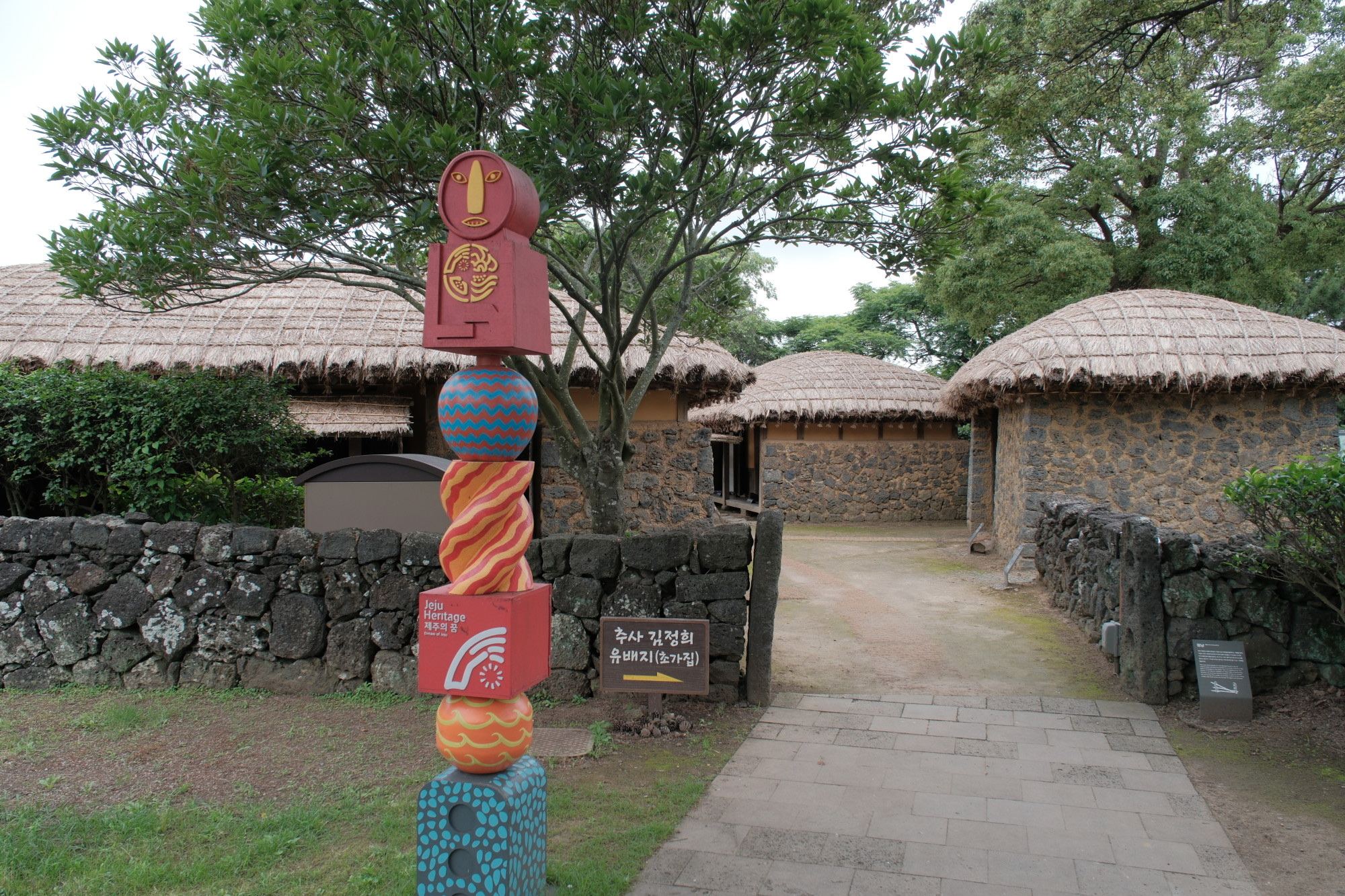
A memorial hall built where Chusa Kim Jeong-hui completed Sehando and the Chusa script during his exile on Jeju. Architect Seung H-Sang designed it to resemble the house in Sehando, a National Treasure, and it flows from the basement permanent exhibition room to the Chusa Yeongsil on the 1st floor. You can continue right next door to the thatched houses of the Historic Site of Kim Jeong-hui's Place of Exile in Seogwipo.
Don't miss
- 1
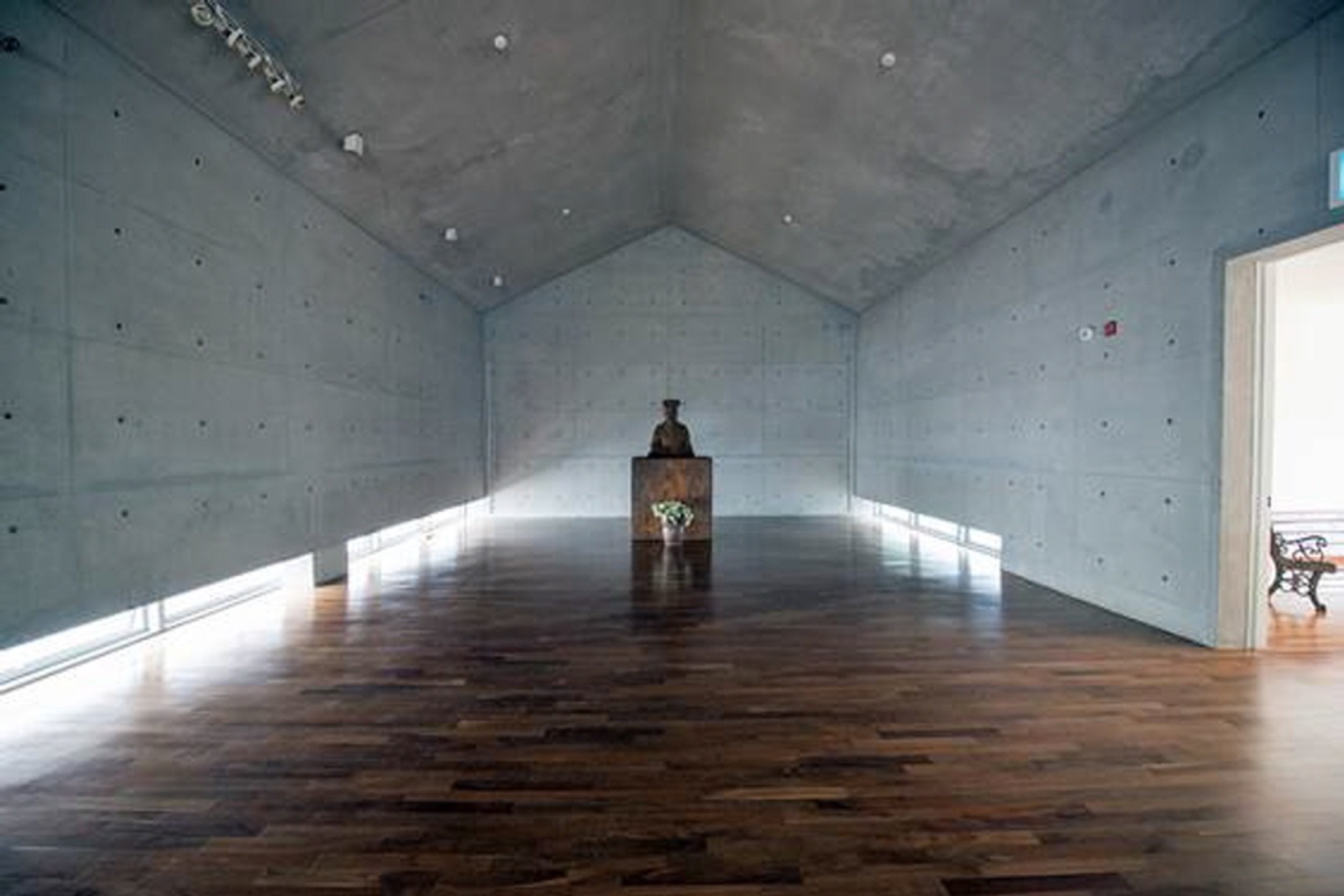
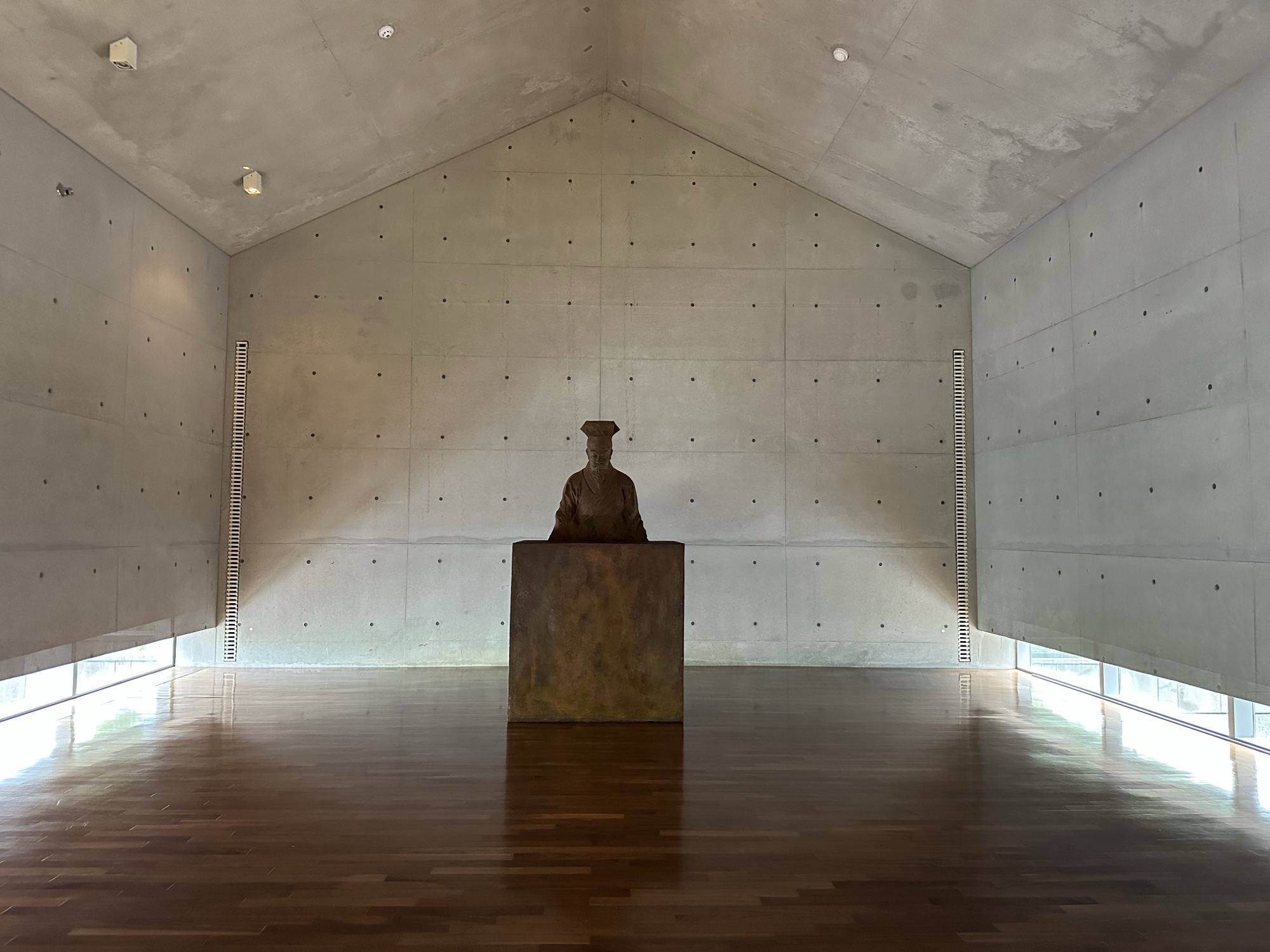
Chusa Yeongsil
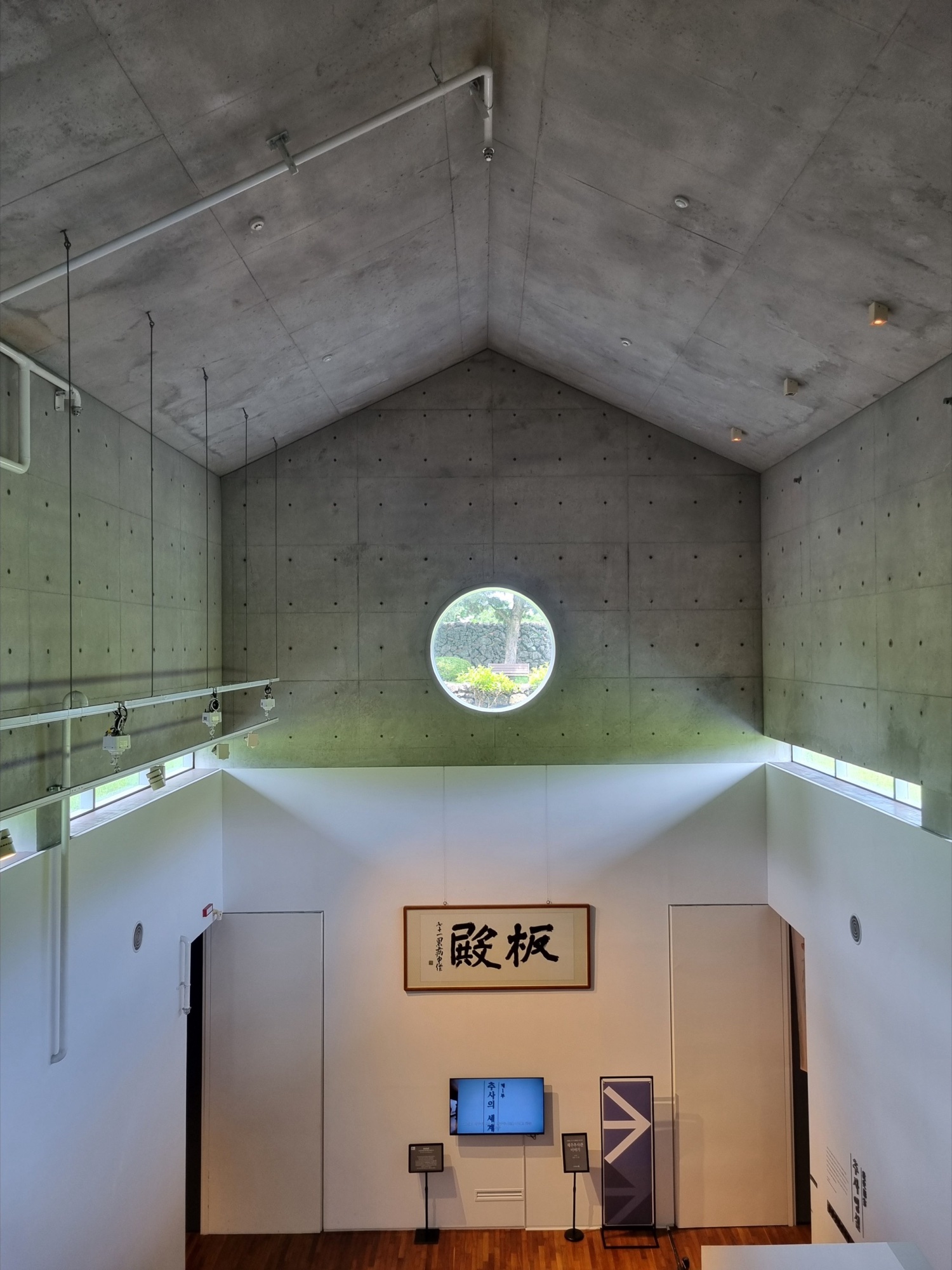
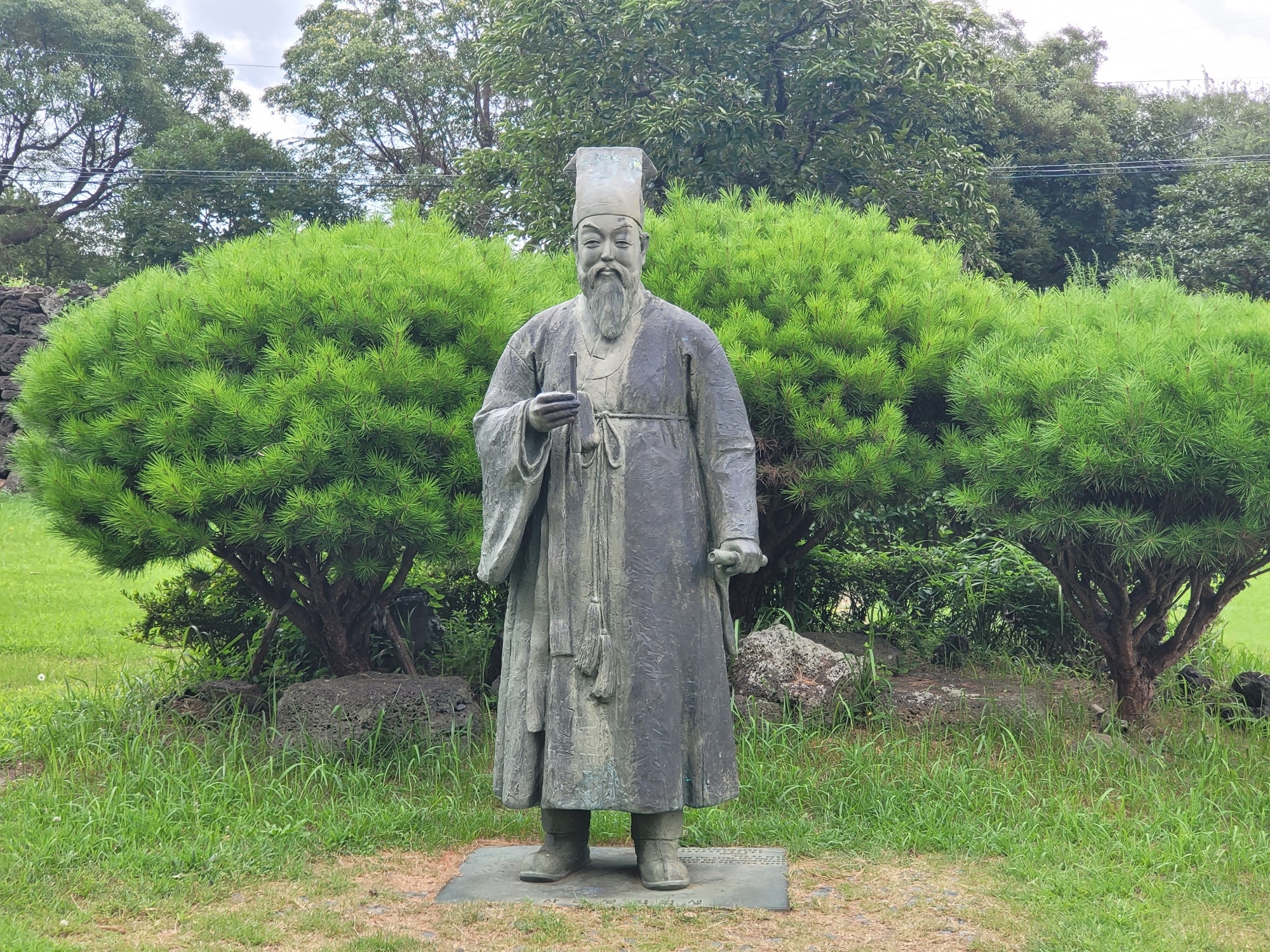
At the far end of the 1st floor. A rough, cast-iron-textured bust of Chusa sits under the pointed roof.
Photo · 제주추사관
- 2
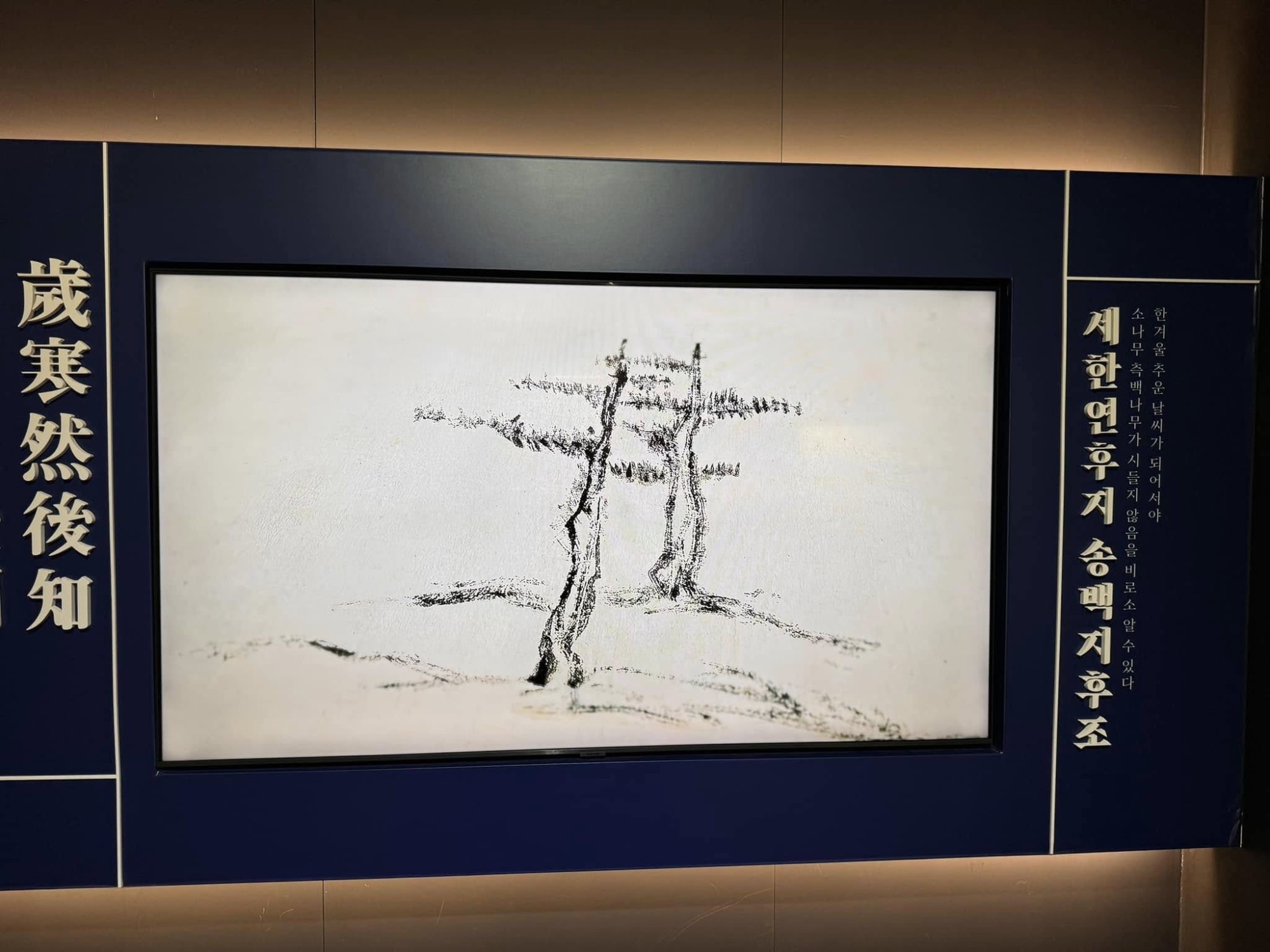
Permanent Exhibition Room
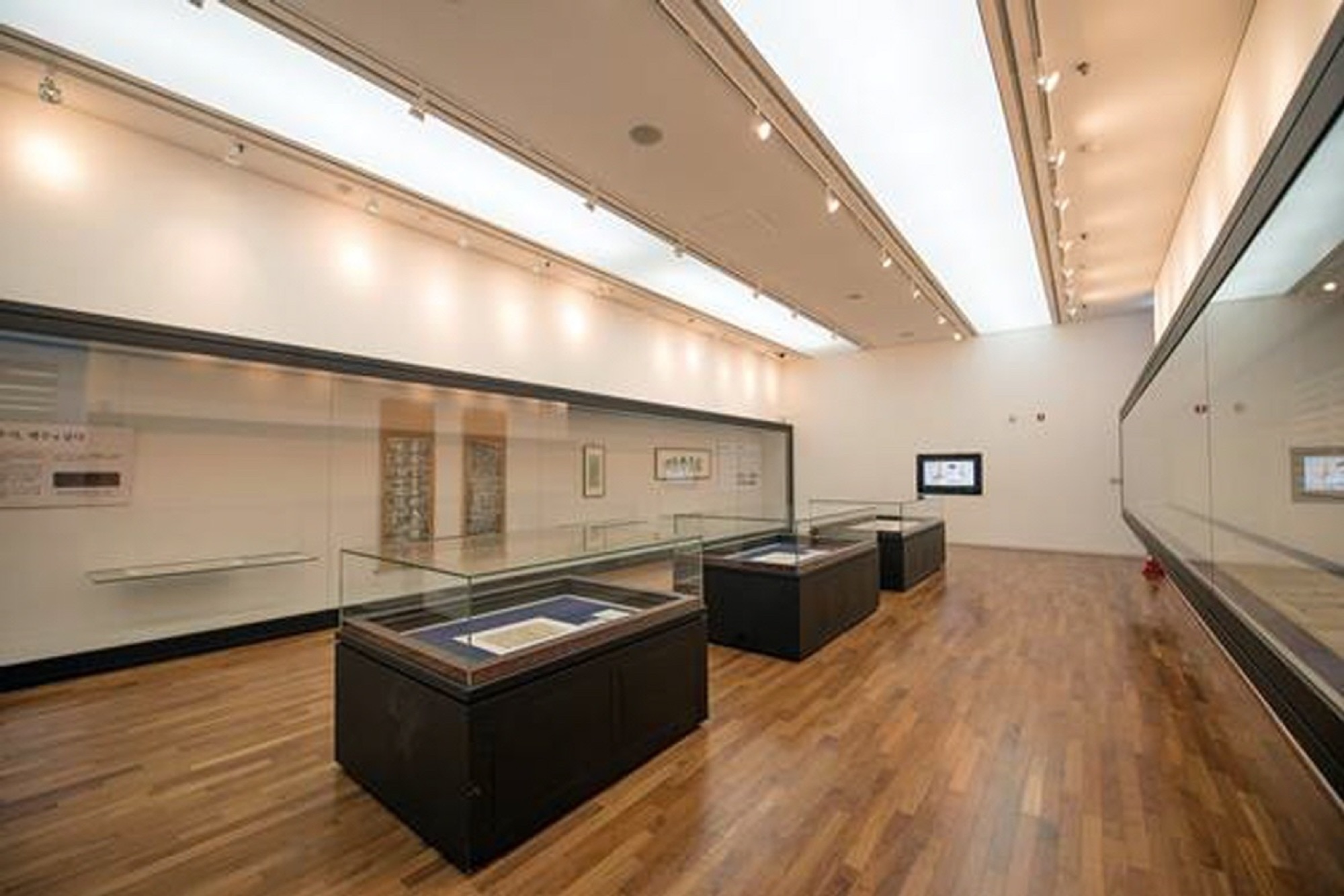
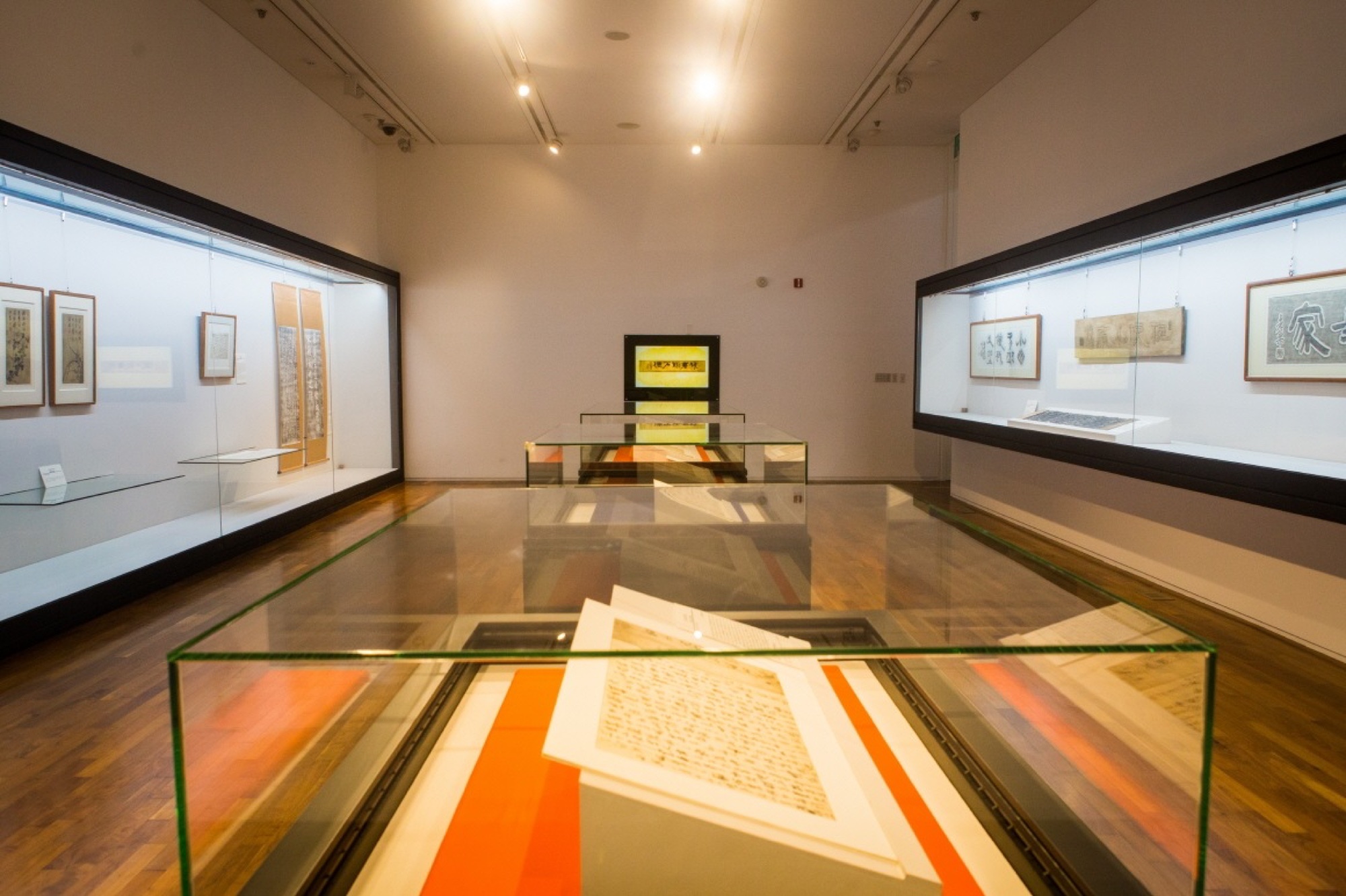
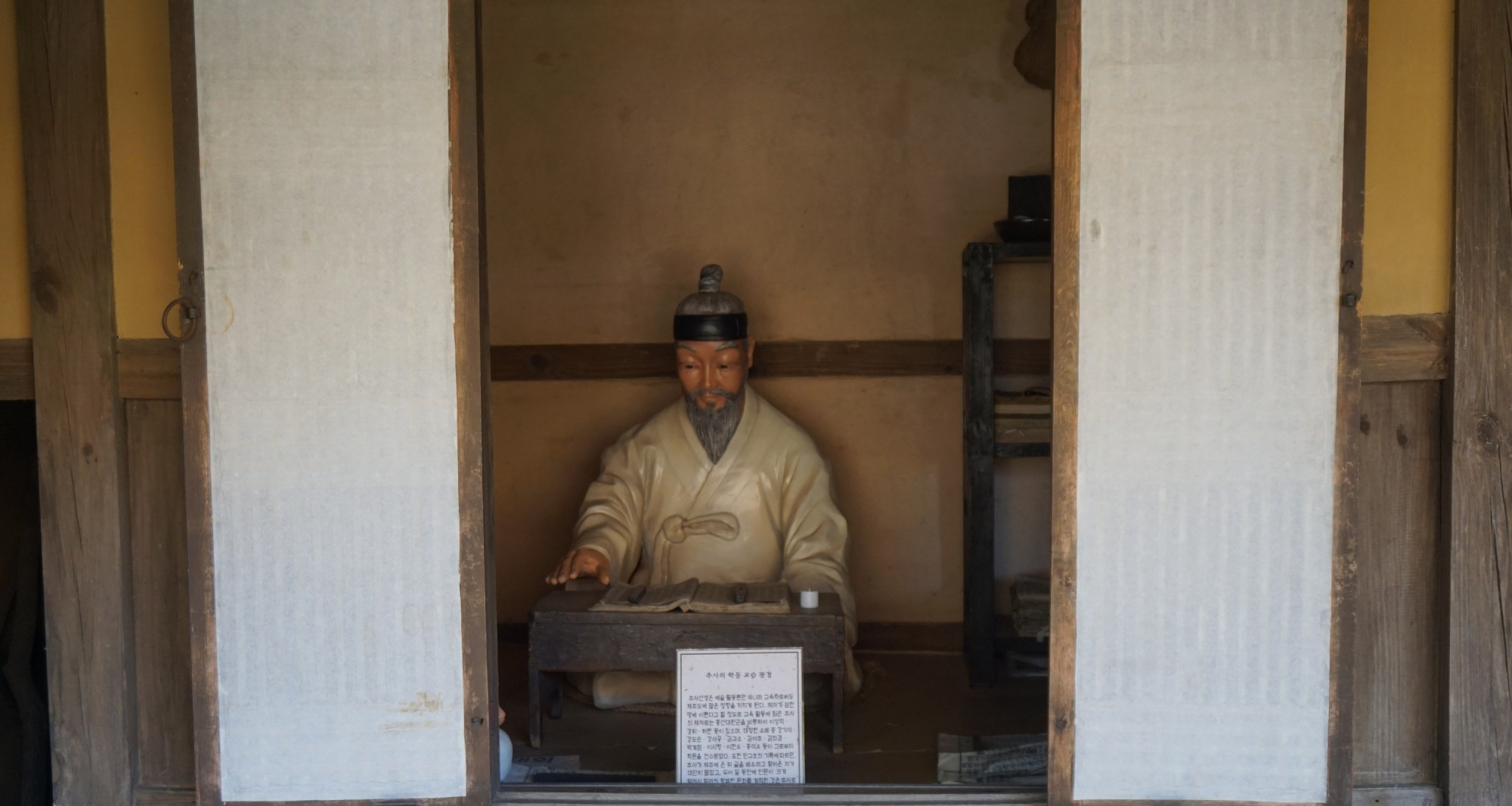
On B1, follow Chusa's life, his exile on Jeju and the story of Sehando, then his last work Panjeon and the collection.
Photo · 길눈이의 세상보기 (네이버 블로그 redactor1)
- 3
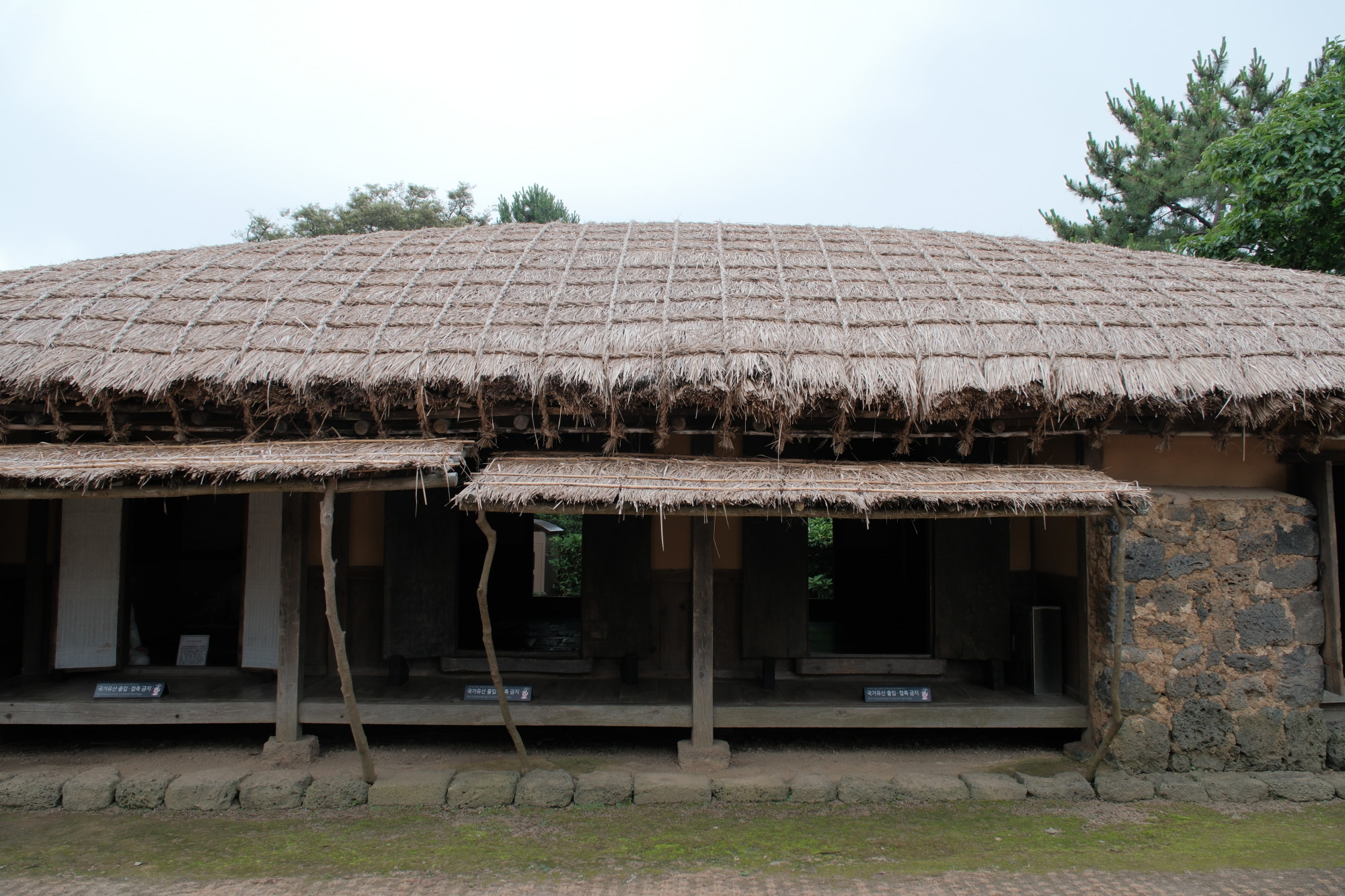
Kim Jeong-hui's Place of Exile, Seogwipo
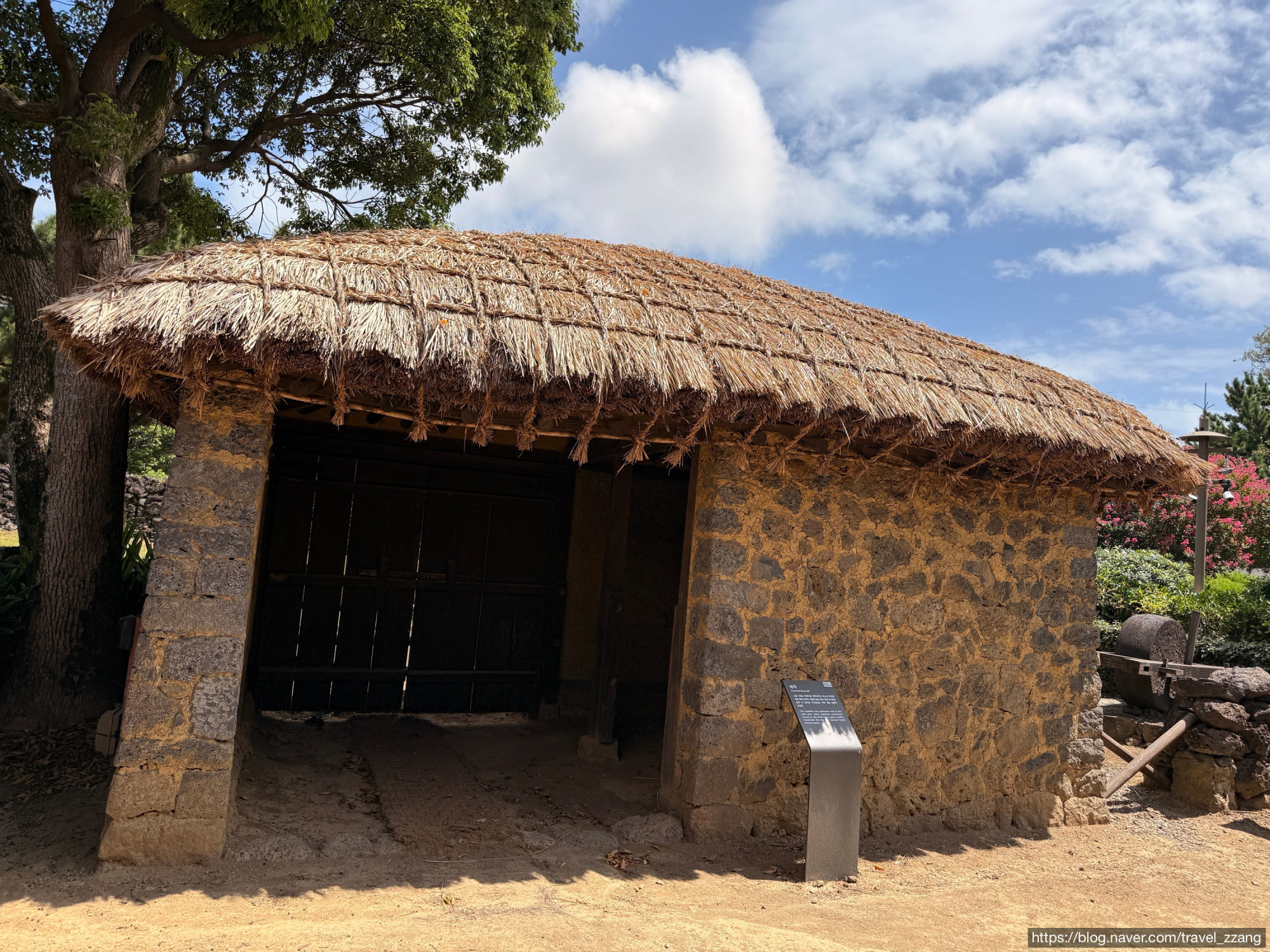
Historic Site No. 487, where Chusa stayed 8 years and 3 months. Stroll the courtyard of thatched houses and stone walls.
Photo · 여행하는 조낙타 (네이버 블로그 lemoni23)
Explore
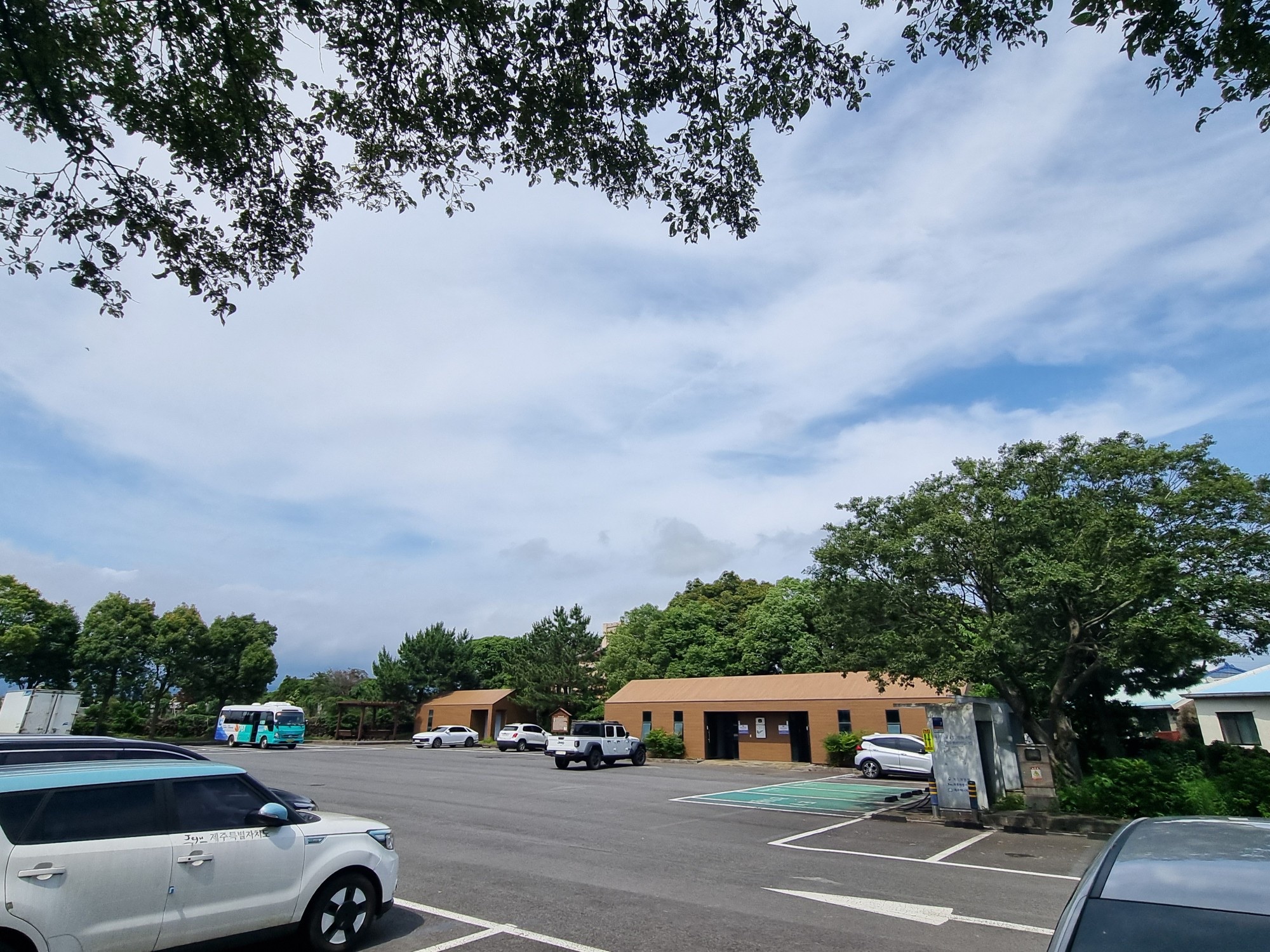
Chusa Memorial Hall Parking
Shared by the memorial hall and exile site. Just a short walk to the entrance.
Photo · diddo (네이버 블로그 diddo)
Good to know before you go
The building itself resembles the house in Sehando. Walk once around its wooden walls before going in, and it becomes even more fun.
The basement permanent exhibition room starts with a timeline, then moves on to his years of exile on Jeju and ends with his last work, Panjeon.
On the 1st floor, the Chusa Yeongsil has a bust at the center of a pointed concrete space, making it a great spot for photos.
After the exhibition hall, cross over to the exile site next door to see the thatched-house courtyard where Chusa actually stayed.
After your visit, pick out a Sehando postcard or bookmark as a keepsake at the cultural goods corner.
Visitor info
- Kim Jeong-hui's Place of Exile in Seogwipo is right next door
On site
- Shop
From the airport
- Bus
- Bus 151 (get off at Boseong Elementary School · 5-minute walk)
Also
- The permanent and collection exhibitions are on B1, and the Chusa Yeongsil is on the 1st floor
- Cultural goods can only be bought inside the exhibition hall