Lee Jung-seop Art Museum (이중섭미술관)
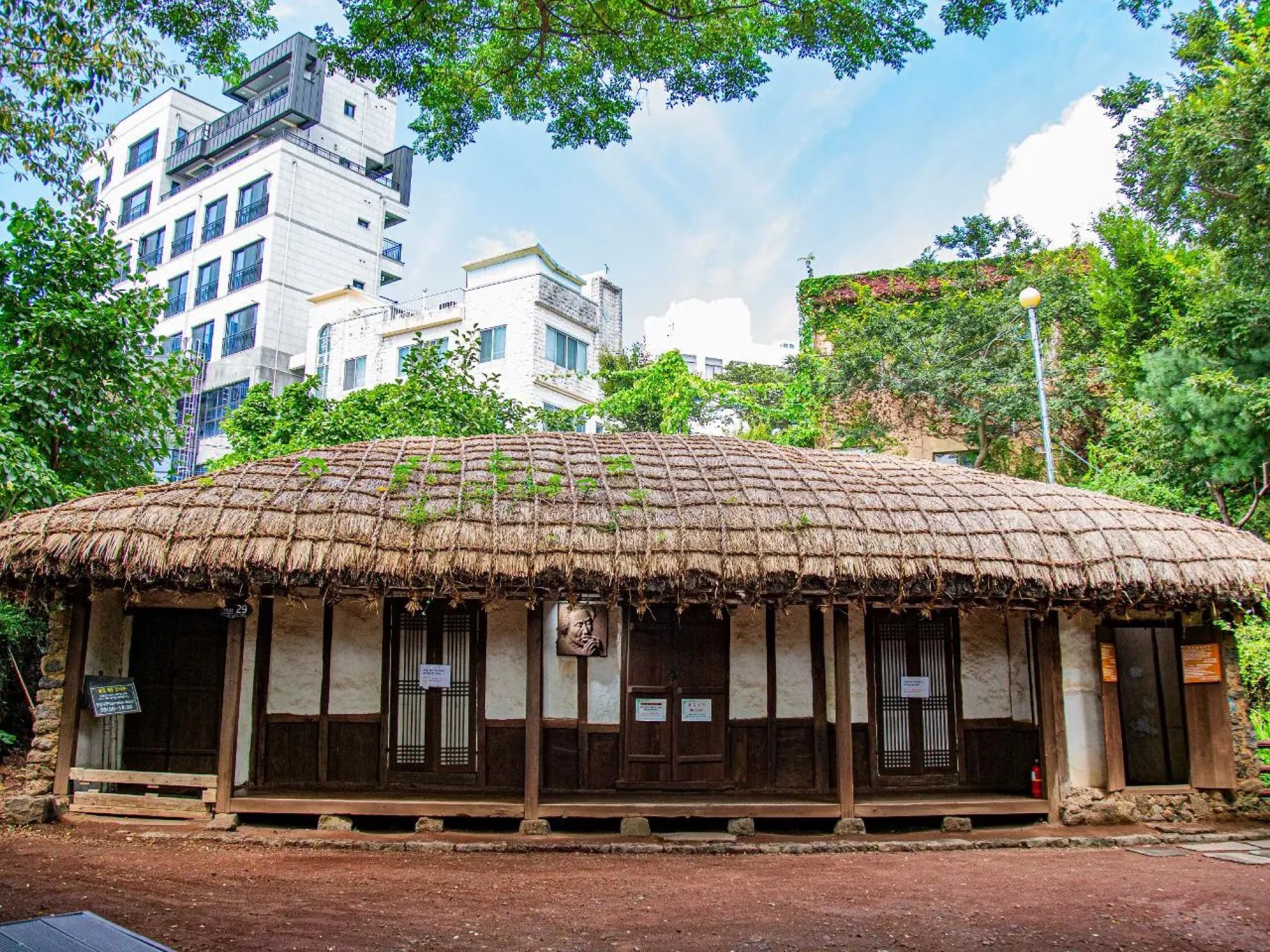
Lee Jung-seop was a painter who fled with his family during the Korean War and spent about 11 months in Seogwipo in 1951. Living in a thatched house overlooking the sea and Seopseom Island, he grew closer to subjects like children, fish and crabs, and this brief time became a major turning point in his work. To honor his footsteps, Seogwipo City tended his residence and Lee Jung-seop Street, opened an exhibition hall in 2002, and has since grown it into an art museum with donated works.
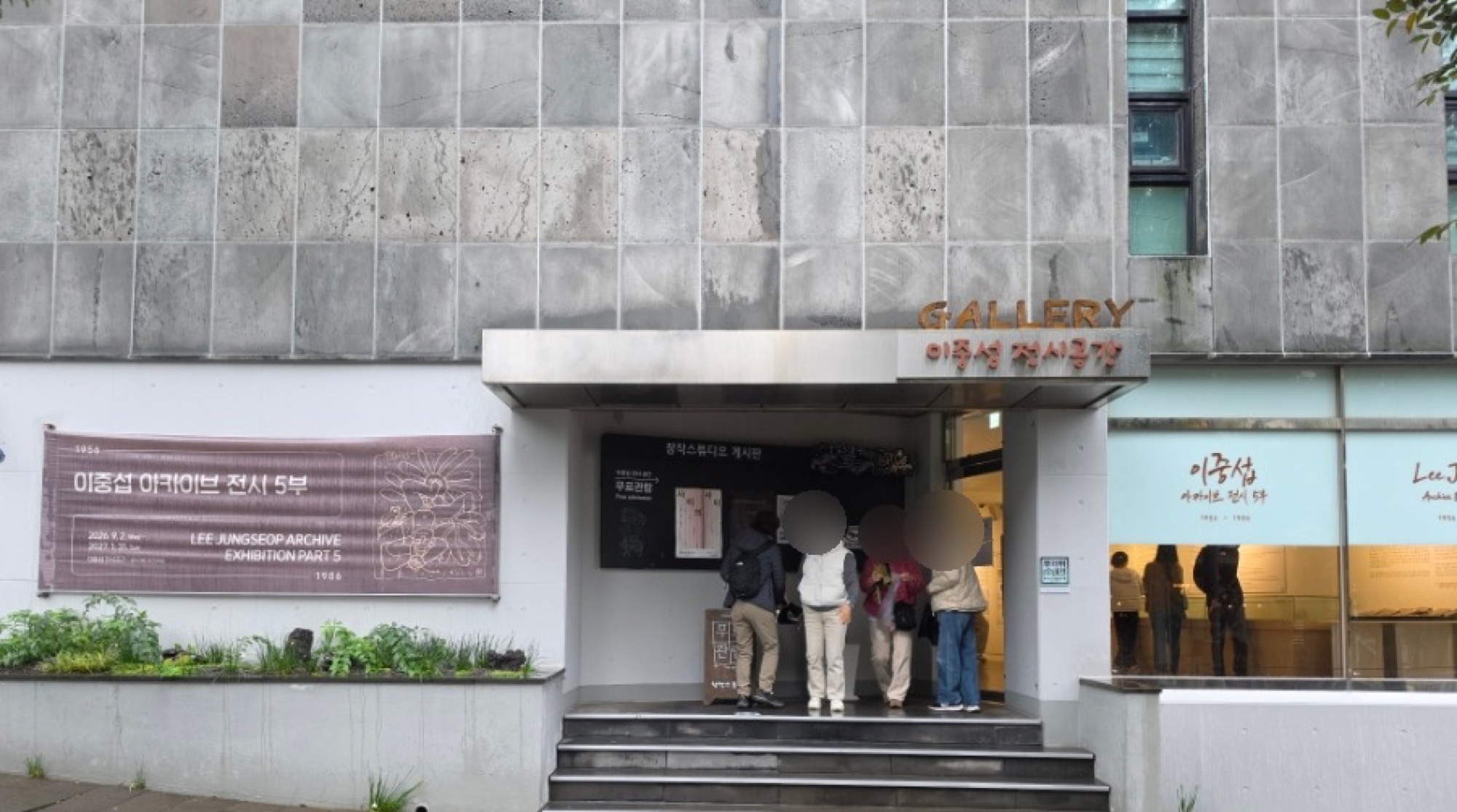
View for free in the temporary exhibition space · 2nd floor, Lee Jung-seop Art Museum Creative Studio (33 Ijungseop-ro)
- MoClosed
- Tu09–18
- We09–18
- ThToday09–18
- Fr09–18
- Sa09–18
- Su09–18
Closed January 1 and on Seollal and Chuseok days
Last entry 17:30
- Admission
- Free (temporary exhibition space)
- Parking
- 1 lot
- Location
- 27-3 Ijungseop-ro, Seogwi-dong, Seogwipo-si, Jeju
- Website
- Official website
- Phone
- 064-760-3567
- Checked
- 11/2026 · Official website (Seogwipo Culture & Arts Portal, Lee Jung-seop Art Museum)
Current exhibitions
Official website (Seogwipo Culture & Arts Portal, Lee Jung-seop Art Museum)See exhibitions on the website →Story
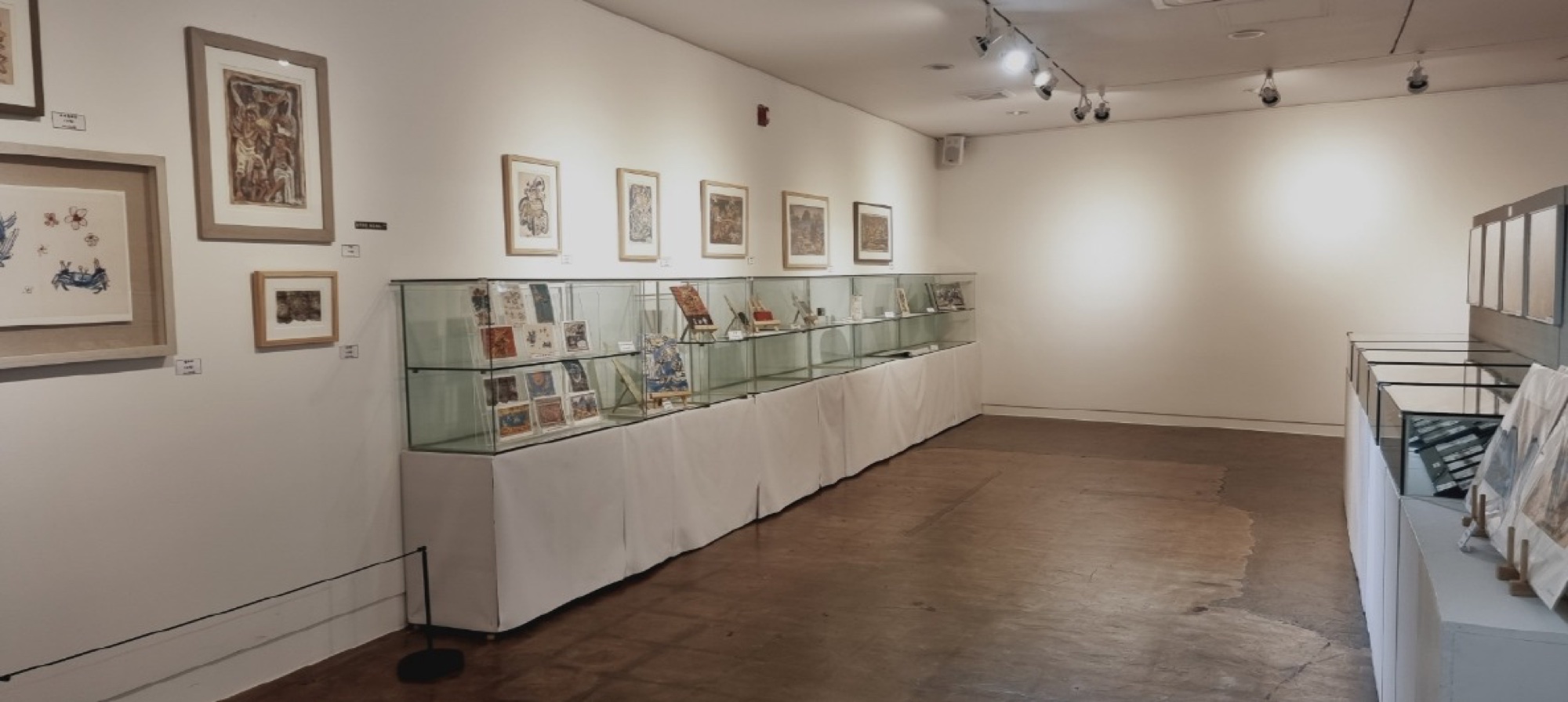
A museum founded through the bond between Lee Jung-seop, one of Korea's most celebrated painters, and Seogwipo, where he stayed as a wartime refugee. With expansion work now underway, an archive exhibition on his art and life is held in the Lee Jung-seop exhibition space on the 2nd floor of the creative studio next door. The thatched house where his family lived and Lee Jung-seop Street are close by, perfect for a walk together.
Don't miss
- 1
Lee Jung-seop Exhibition Space
A temporary gallery run during the expansion work. See records and materials showing Lee Jung-seop's art and life.
Photo · 해운대비타민(네이버 블로그 '비타민의행복한인생')
- 2
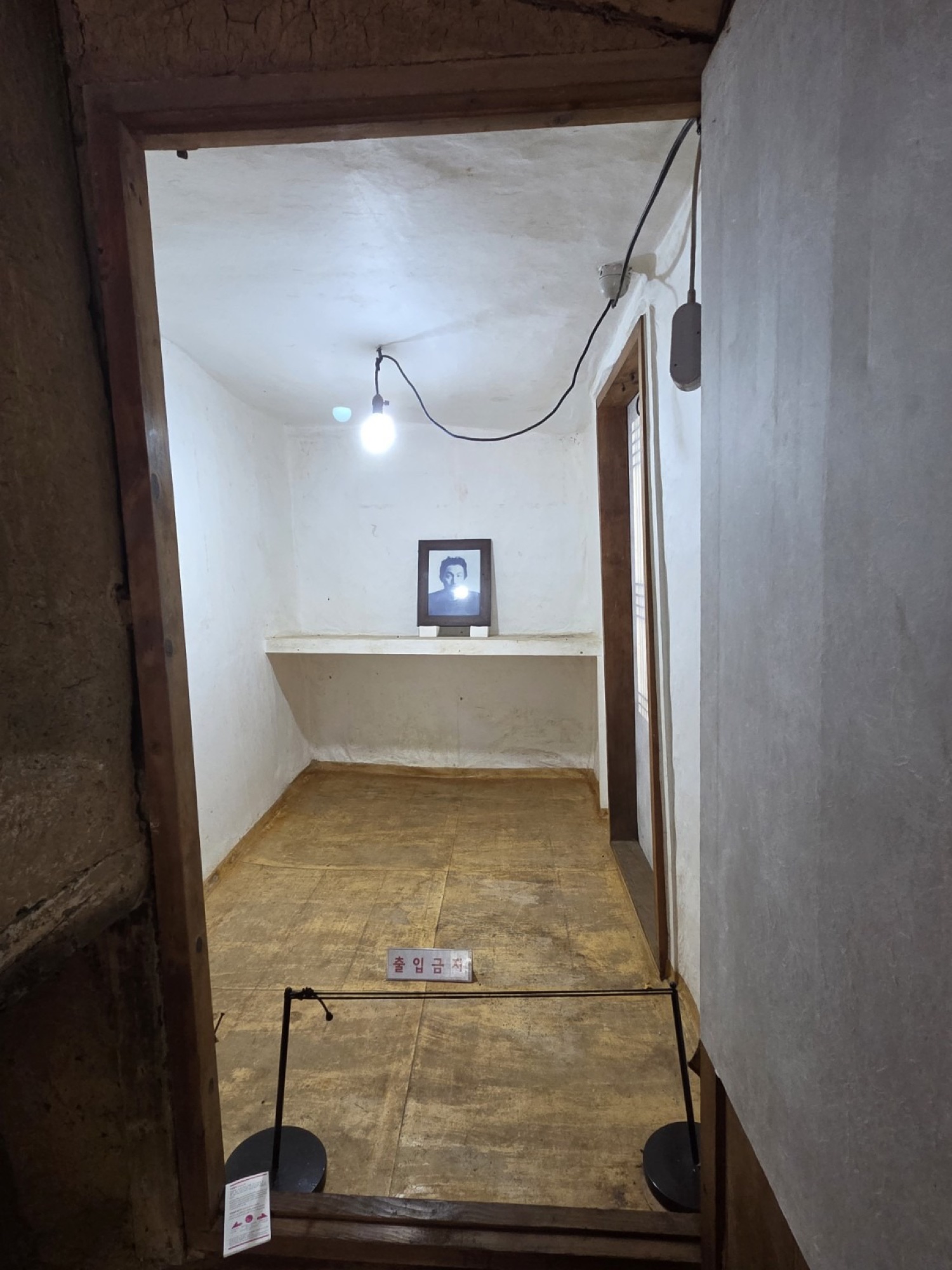
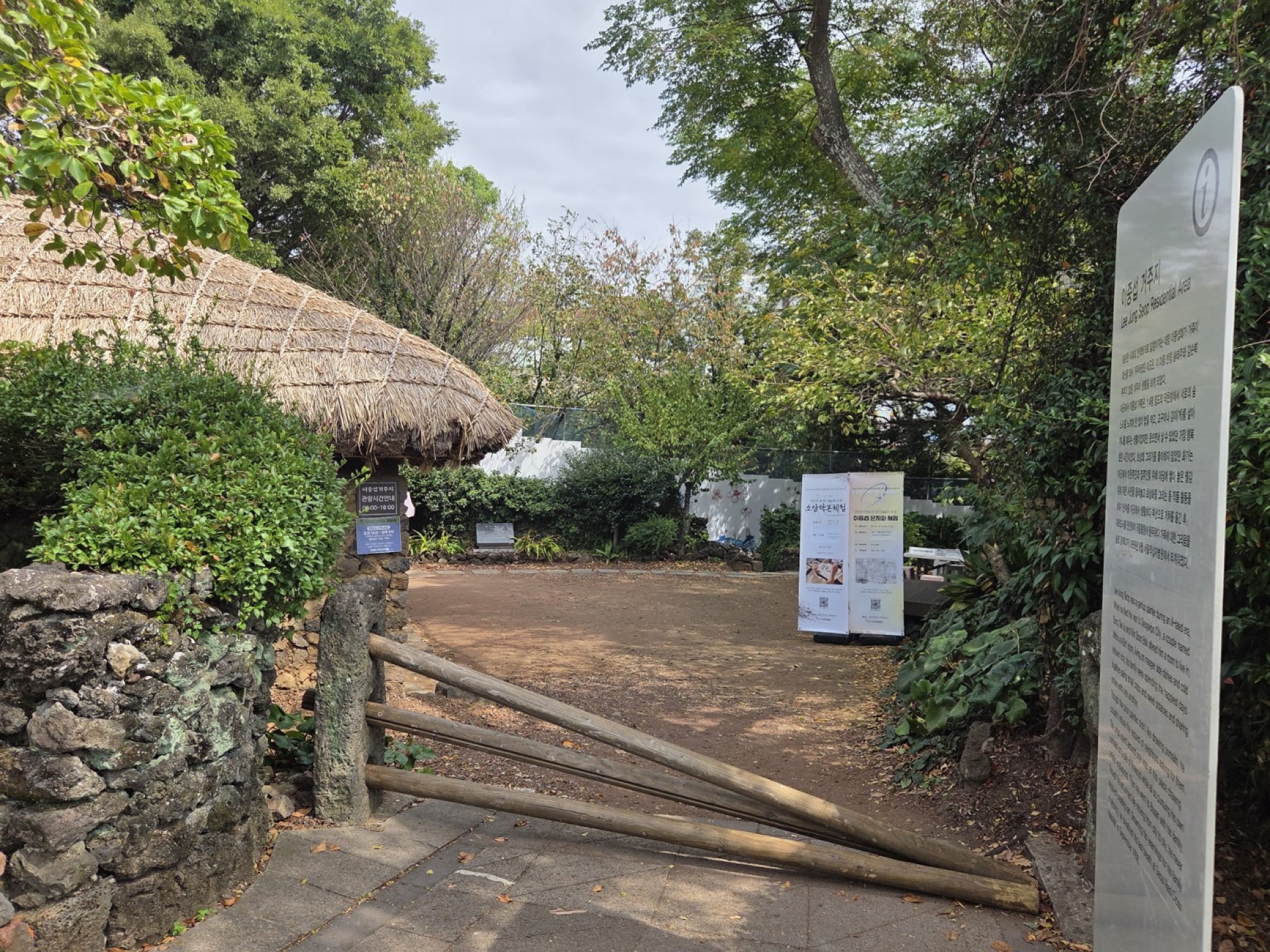
Lee Jung-seop Residence
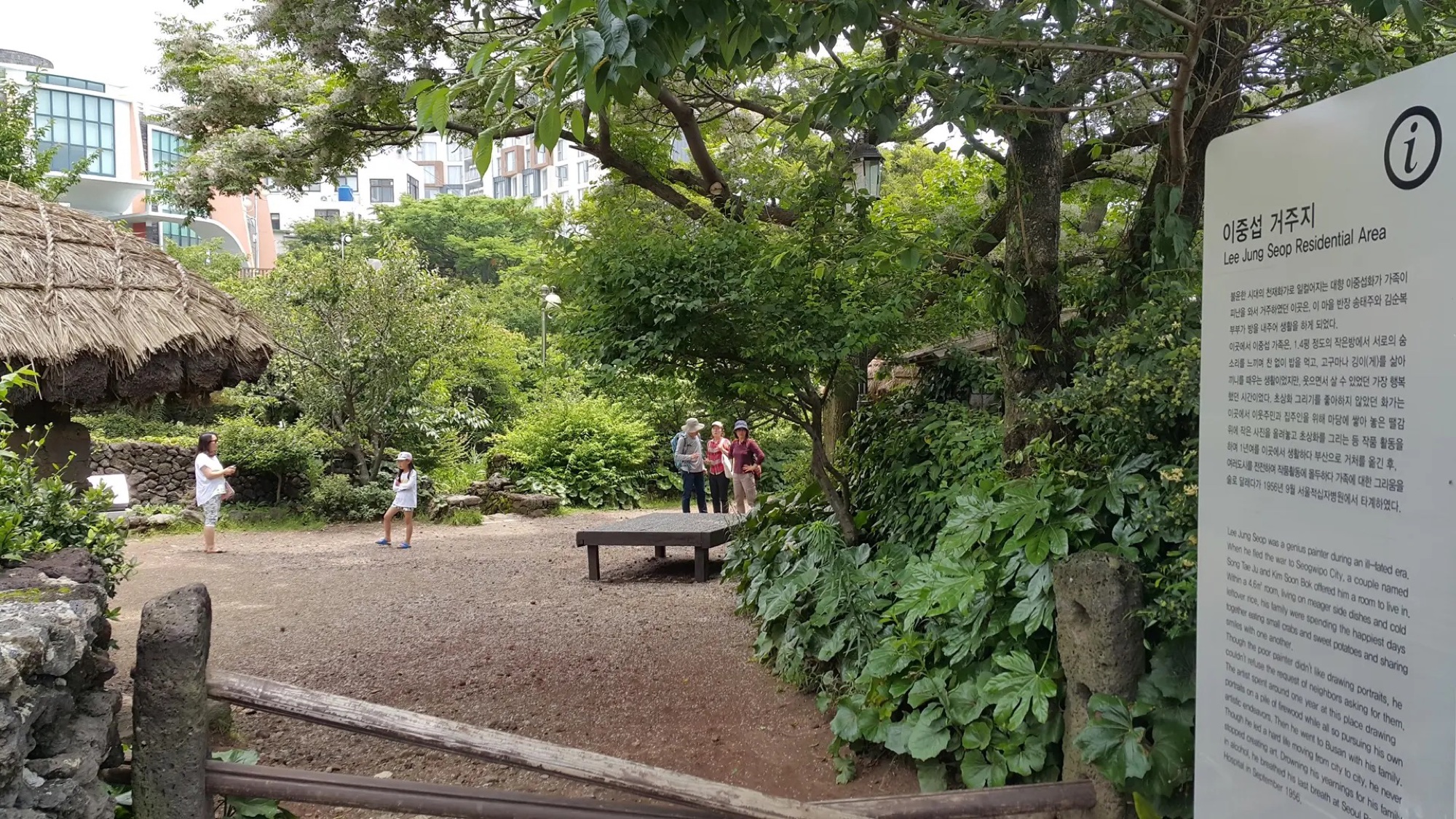
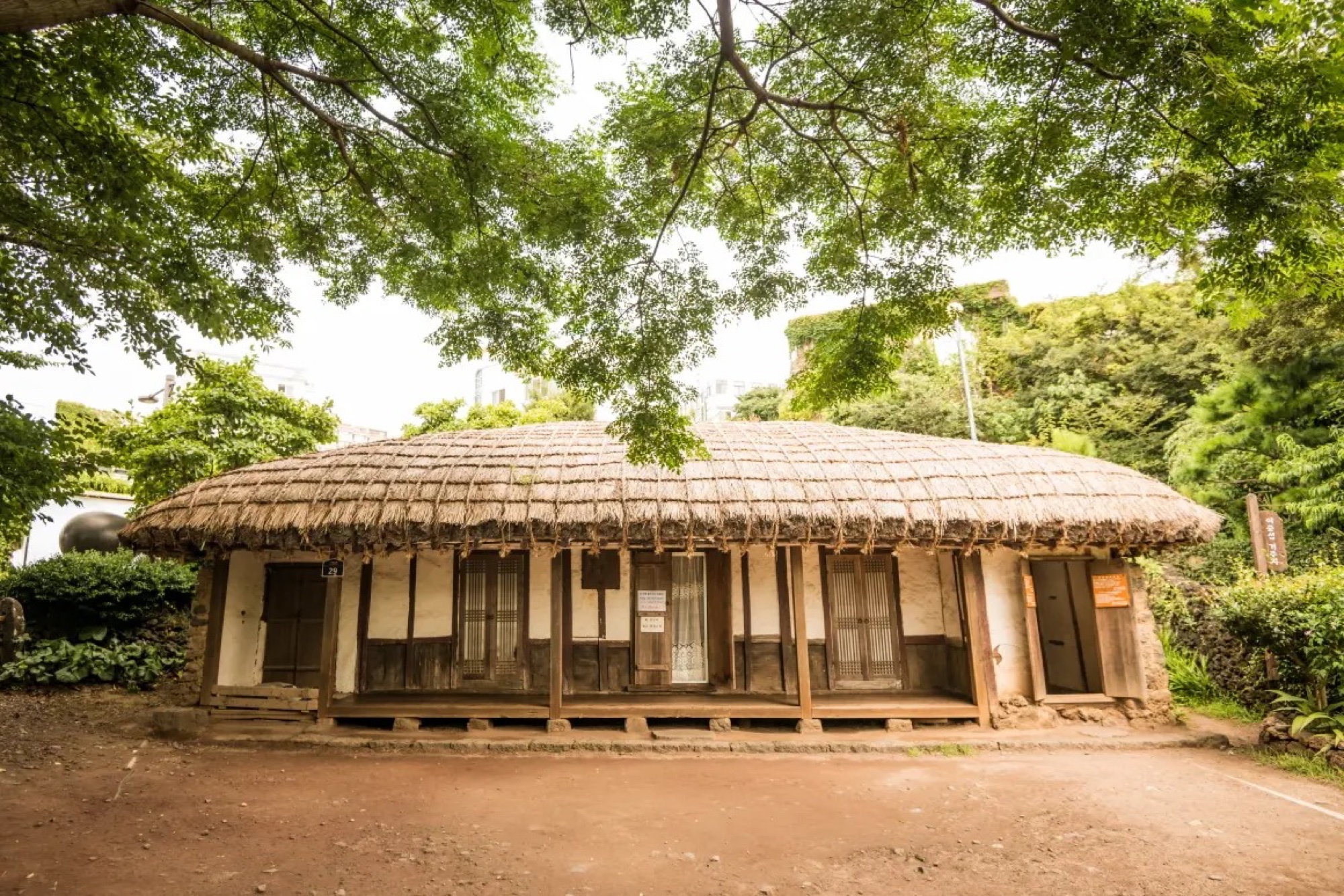
A restored thatched house where Lee Jung-seop's family stayed after fleeing here in 1951. A single small room and an Information Board remain.
Photo · 오늘의걸음(네이버 블로그 'todayslowstep')
- 3
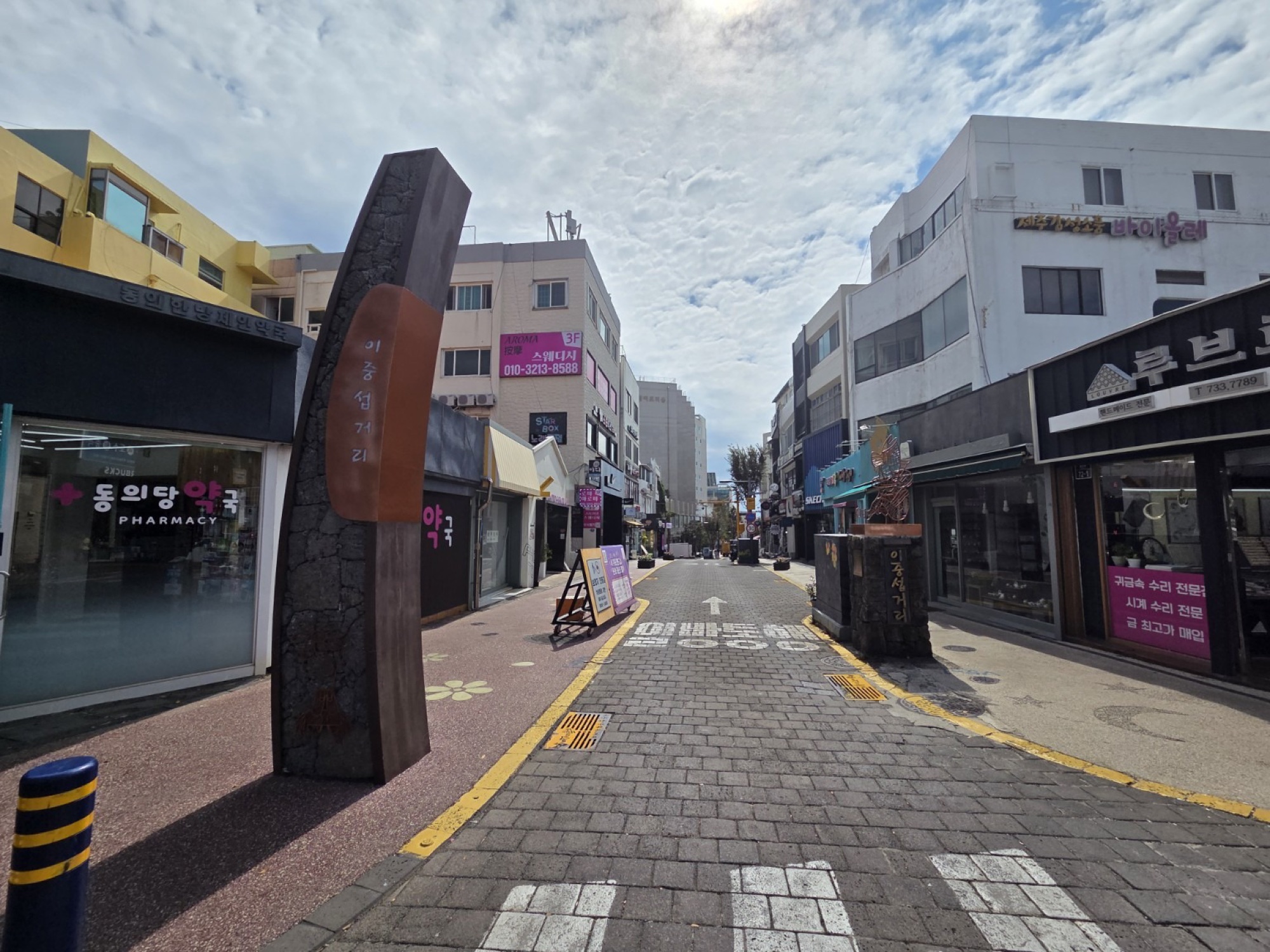
Lee Jung-seop Street
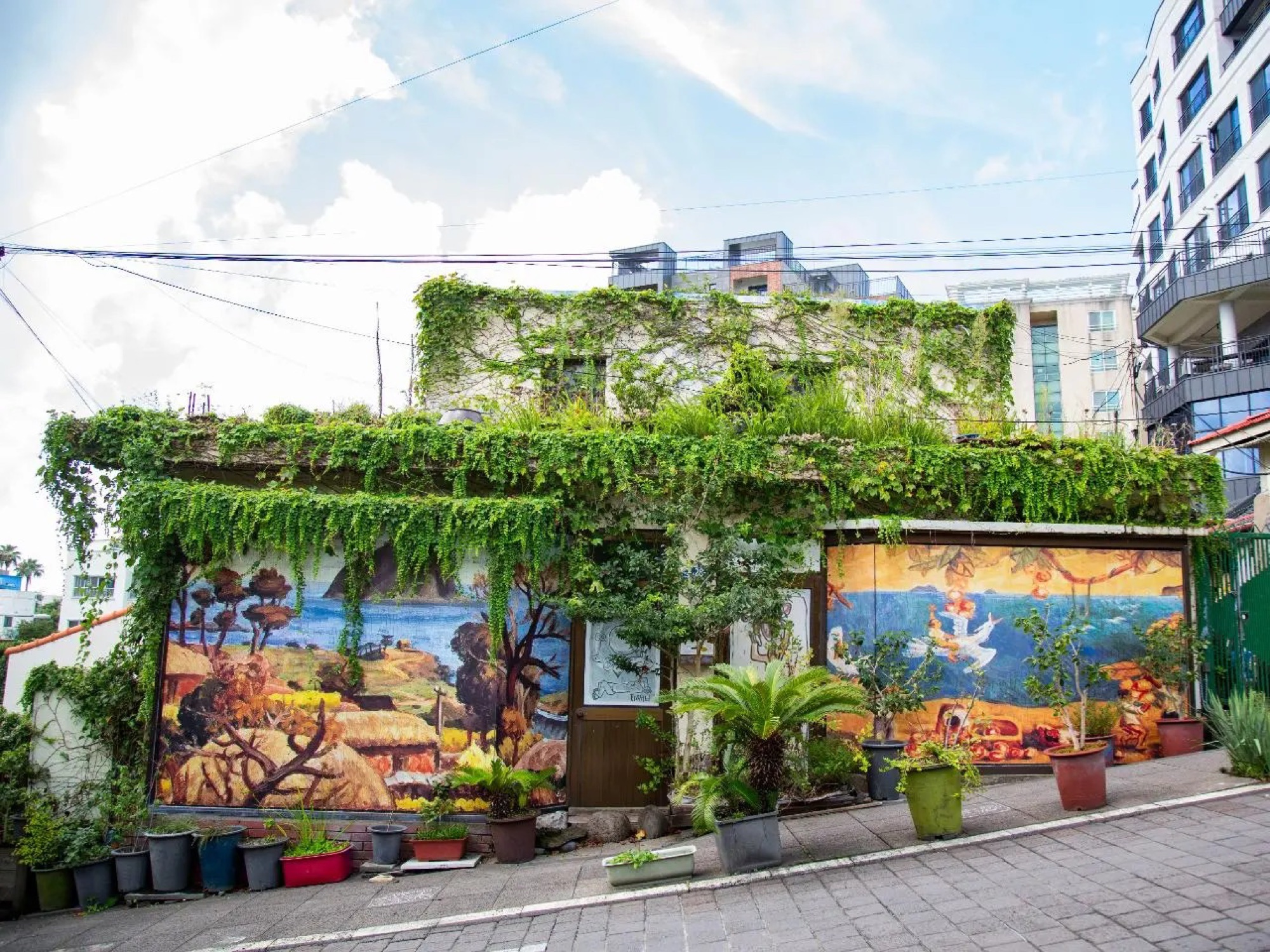
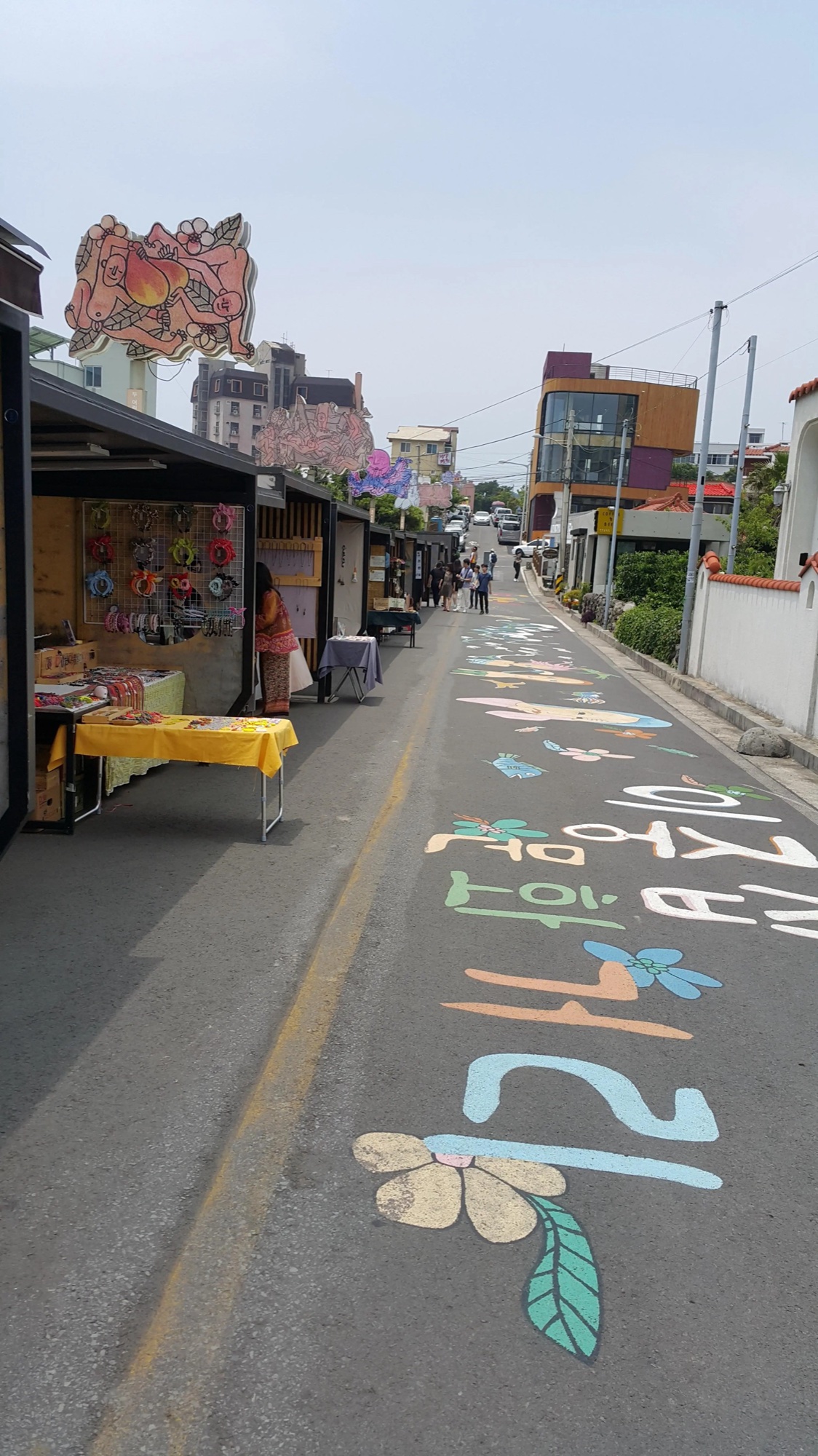
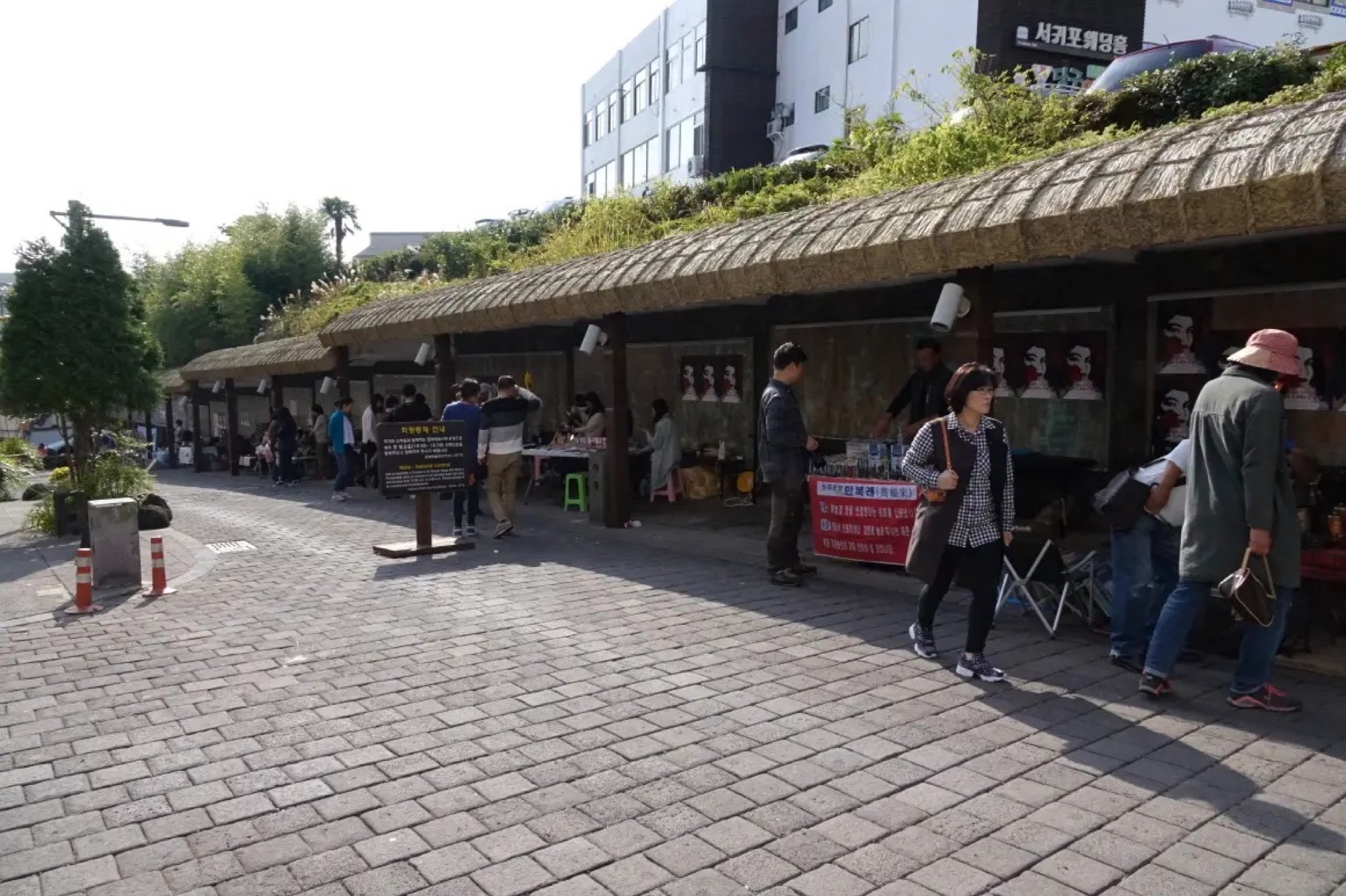
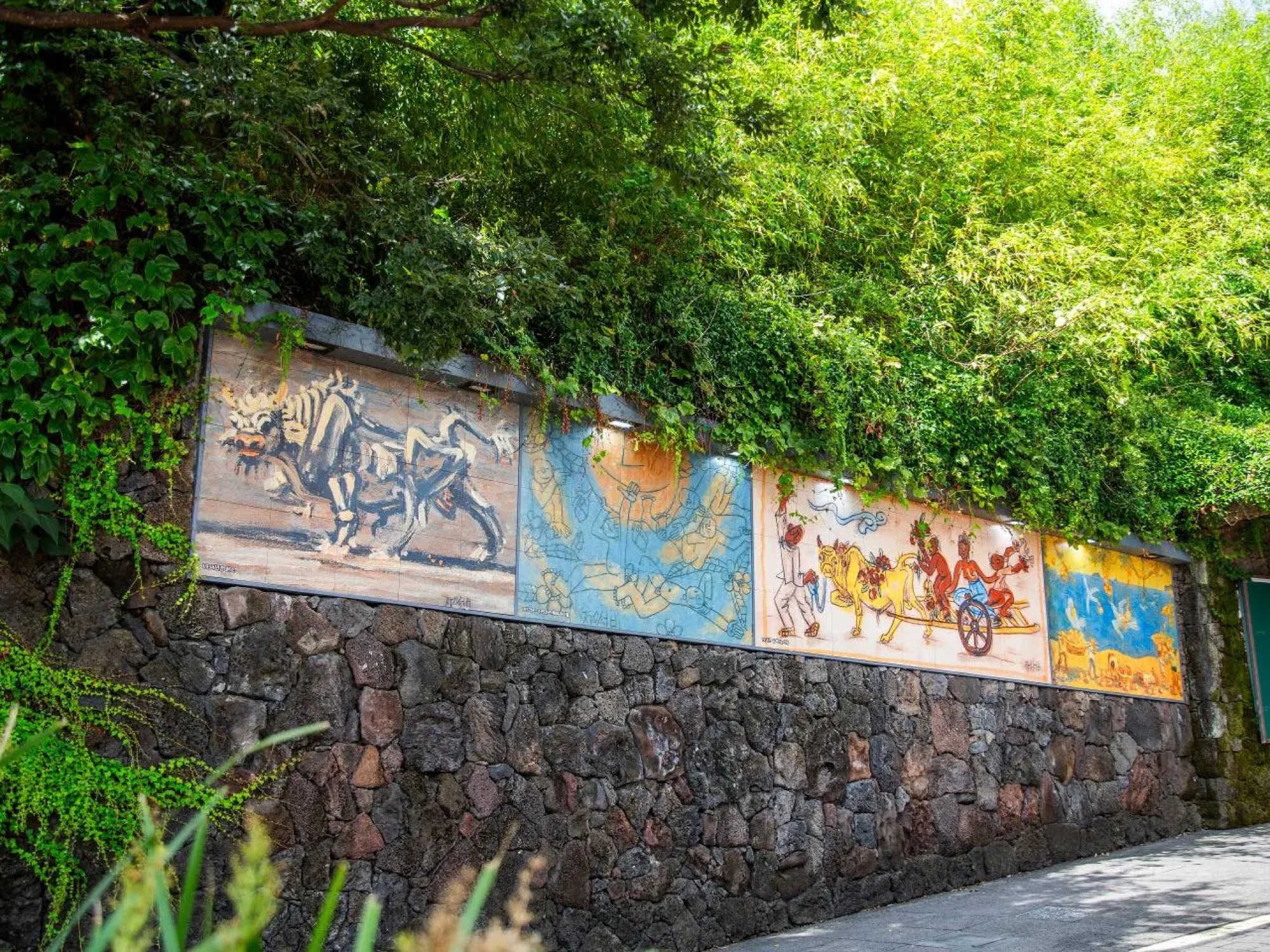
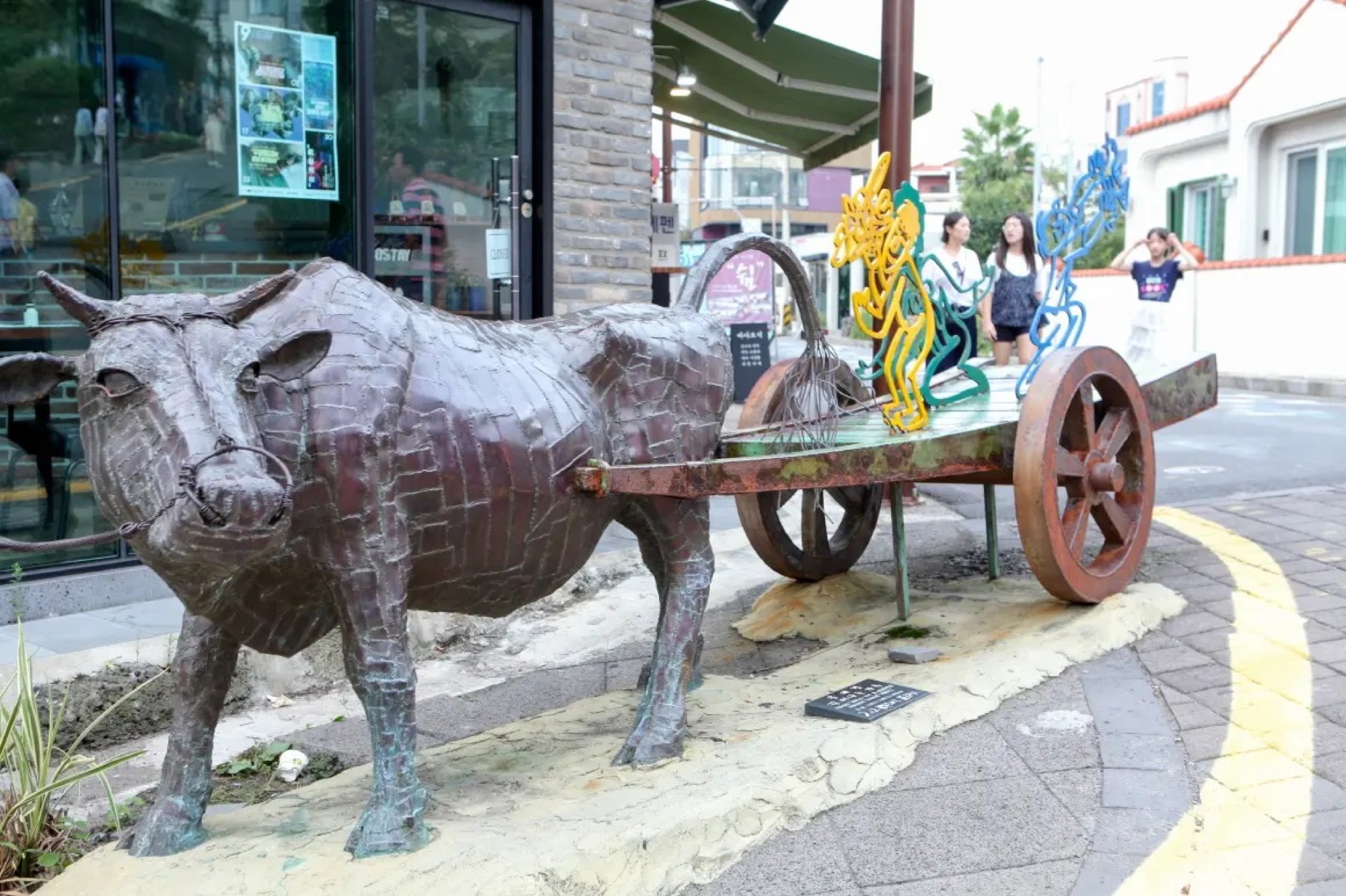
A street of about 360m in the neighborhood where he lived, named in 1996. Stroll past souvenir and handicraft shops and murals.
Photo · 오늘의걸음(네이버 블로그 'todayslowstep')
Explore
Lee Jung-seop Art Museum Parking
A parking lot close to the exhibition space. No official info on fees or spaces.
Good to know before you go
The temporary exhibition space is on the 2nd floor of the creative studio building, so head to 33 Ijungseop-ro, not the Main Hall under construction.
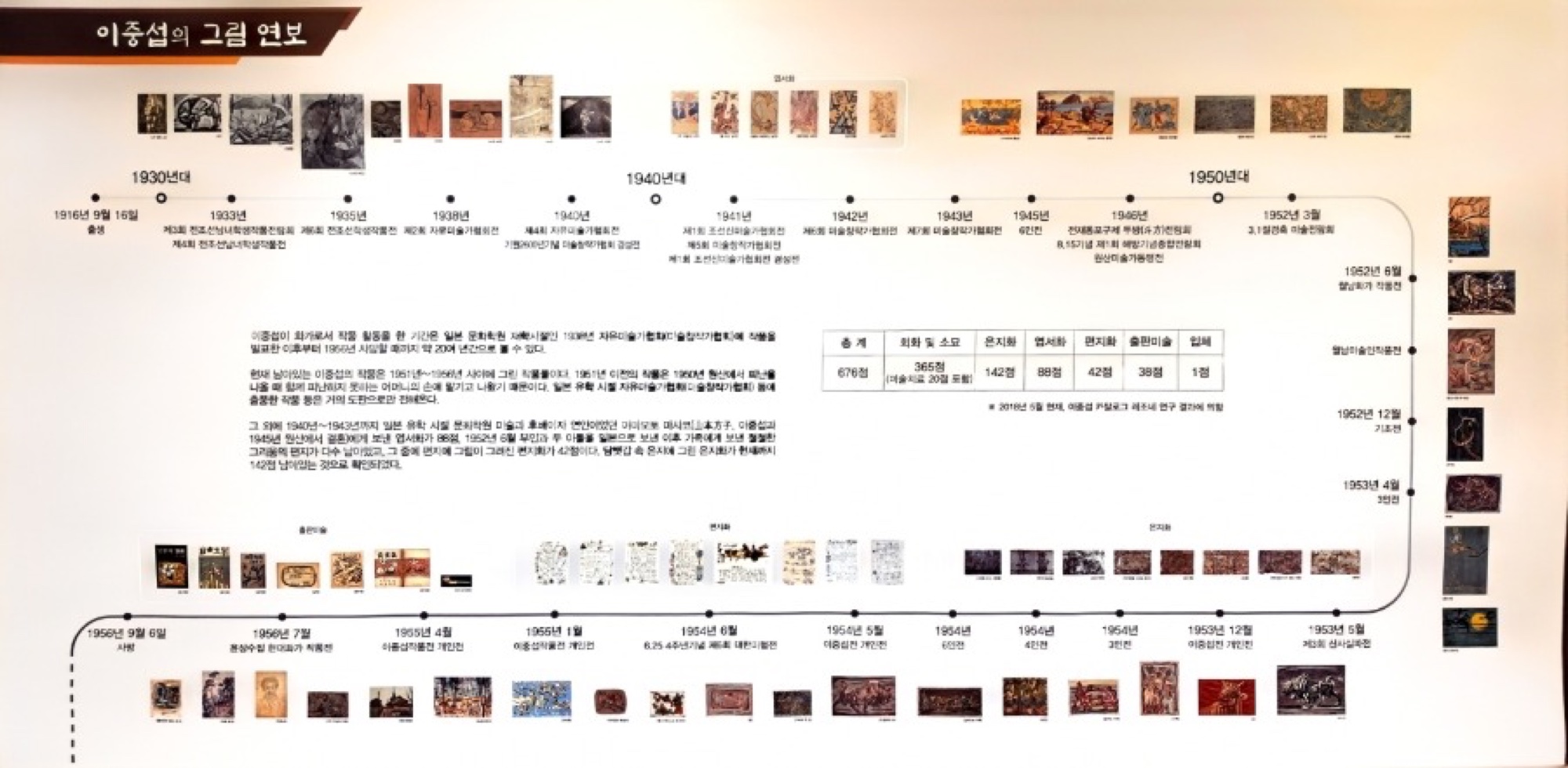
The current exhibition is less about large paintings on the walls and more about looking closely at records like letters, postcards and photos. It is best enjoyed slowly, as if reading.
The souvenir corner inside the exhibition space has goods featuring Lee Jung-seop's paintings, worth a stop before you leave.
After the exhibition, walk on to Lee Jung-seop's residence and Lee Jung-seop Street. Souvenir and handicraft shops and murals on stone walls line the way.
At the thatched residence you can peek into the small room where the family stayed as refugees. Reading the Information Board first makes the story feel closer.
Visitor info
- Head to 33 Ijungseop-ro, not the Main Hall under construction
- The Main Hall (27-3 Ijungseop-ro) is currently closed to visitors
On site
- Shop
From the airport
- Car
- About 50 minutes
Also
- Check the official website notices for reopening news