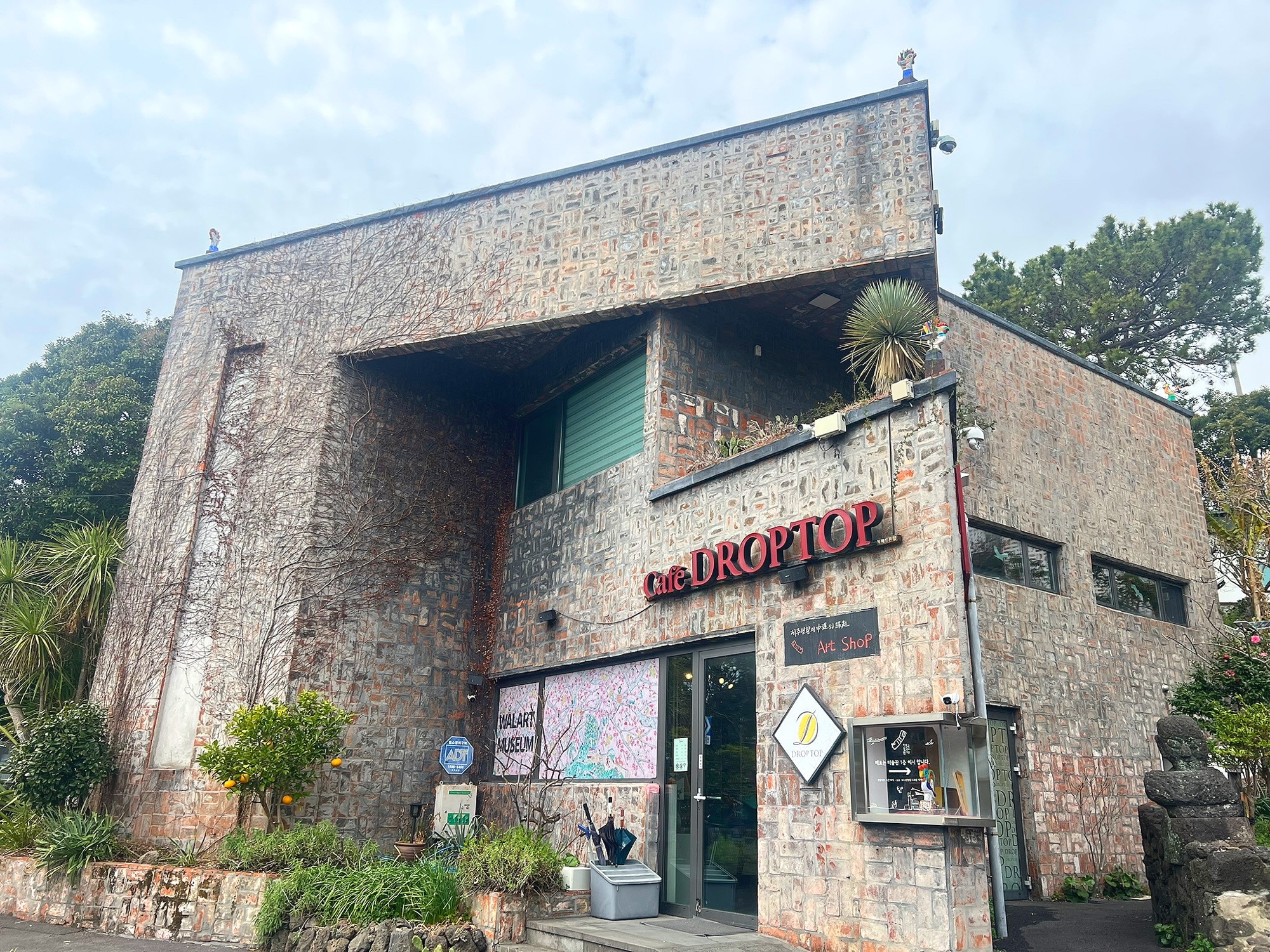
Walart Museum (왈종미술관)
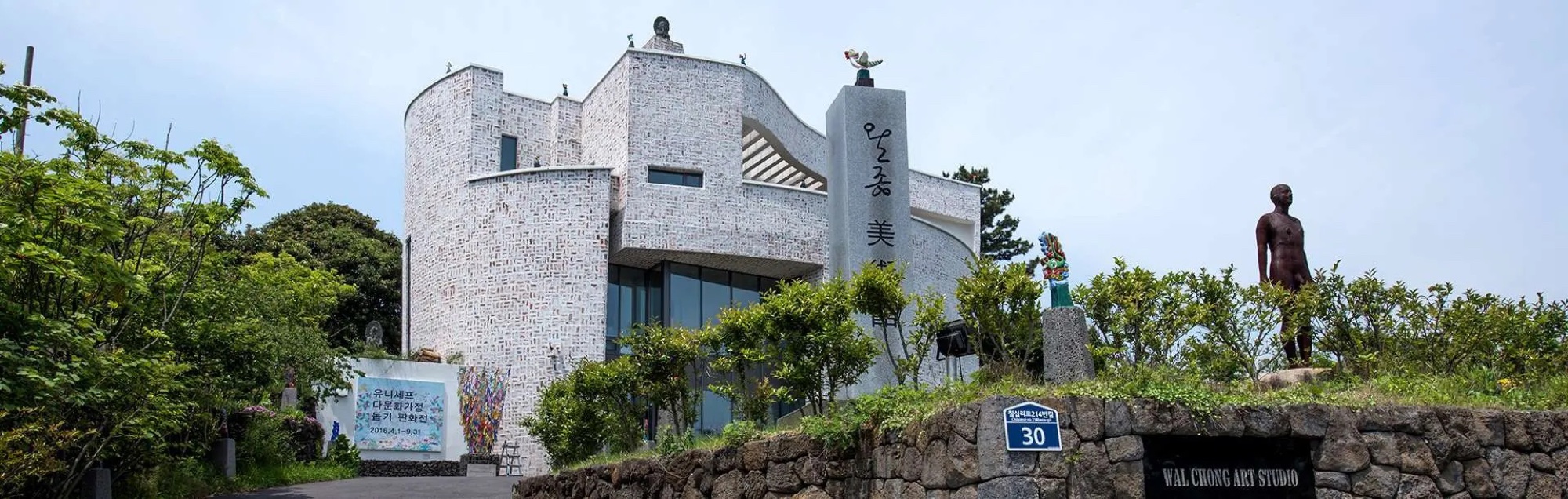
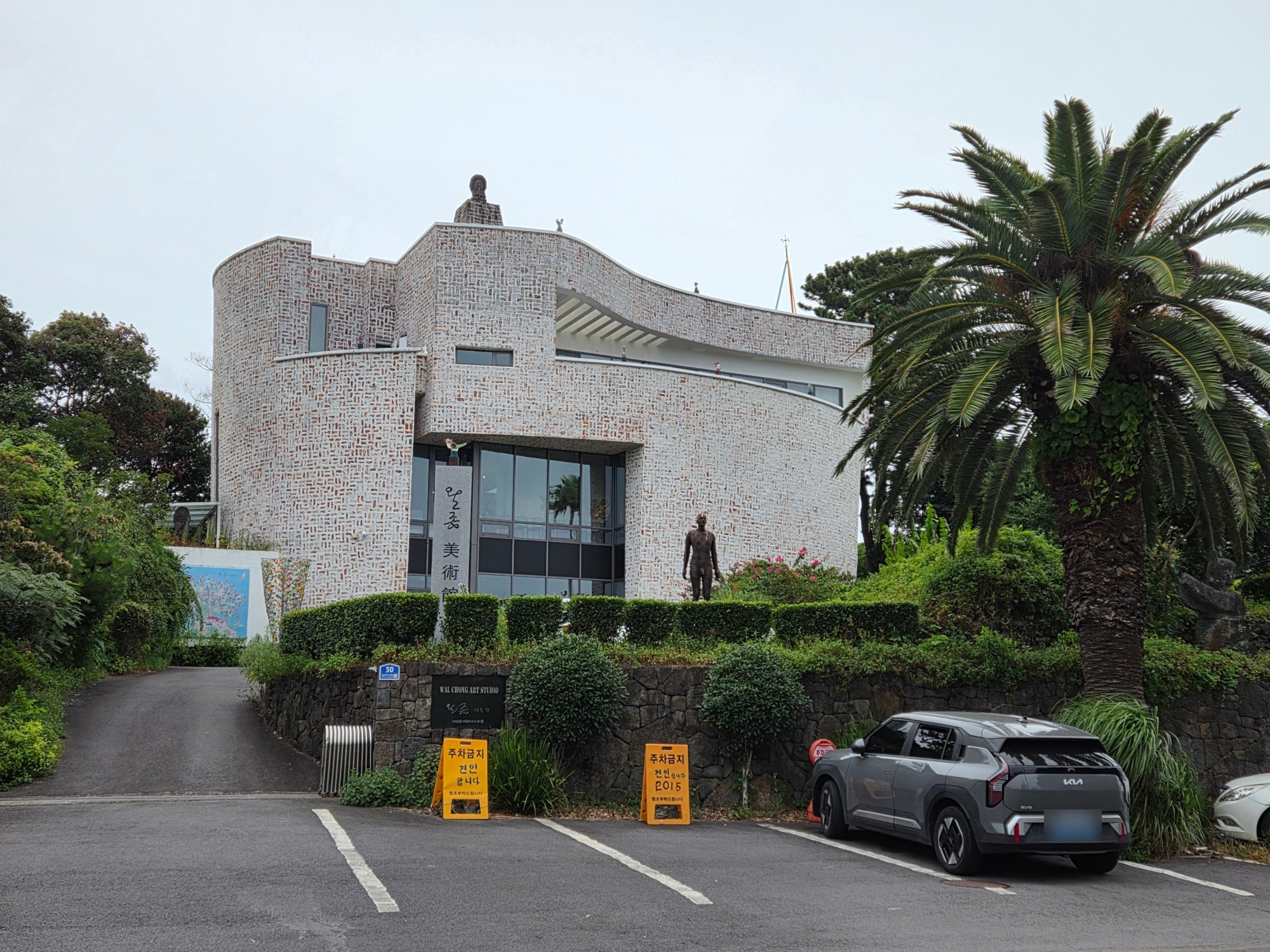
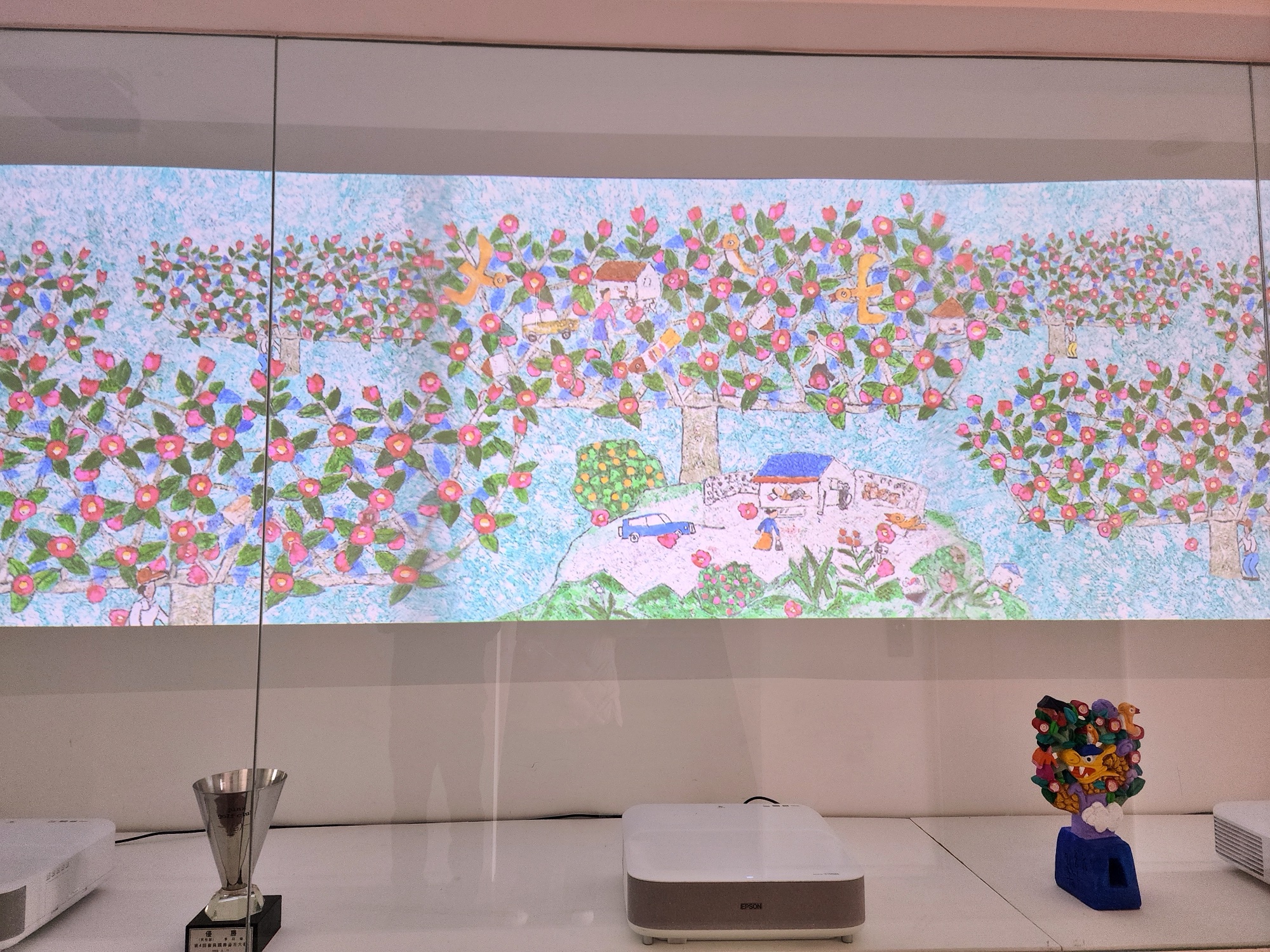
Lee Wal-chong is a painter who settled in Seogwipo and brought everyday Jeju life onto his canvases. His best-known work is the 'Middle Way of Jeju Life' series, where flowers and birds, houses and people come together. The museum stands on the site of the home where he lived, and was built from a clay building maquette, born of his wish for a large studio.
- MoClosed
- Tu10–18
- We10–18
- Th10–18
- FrToday10–18
- Sa10–18
- Su10–18
Last entry 17:30
- Admission
- Adults KRW 10,000 · Youth, children, seniors 65+, military & Jeju residents KRW 6,000
- Location
- 30 Chilsimni-ro 214beon-gil, Donghong-dong, Seogwipo-si, Jeju
- Website
- Official website
- Phone
- 064-763-3600
- Checked
- 11/2026 · Naver Place · Korea Tourism Organization (official website unavailable)
Story
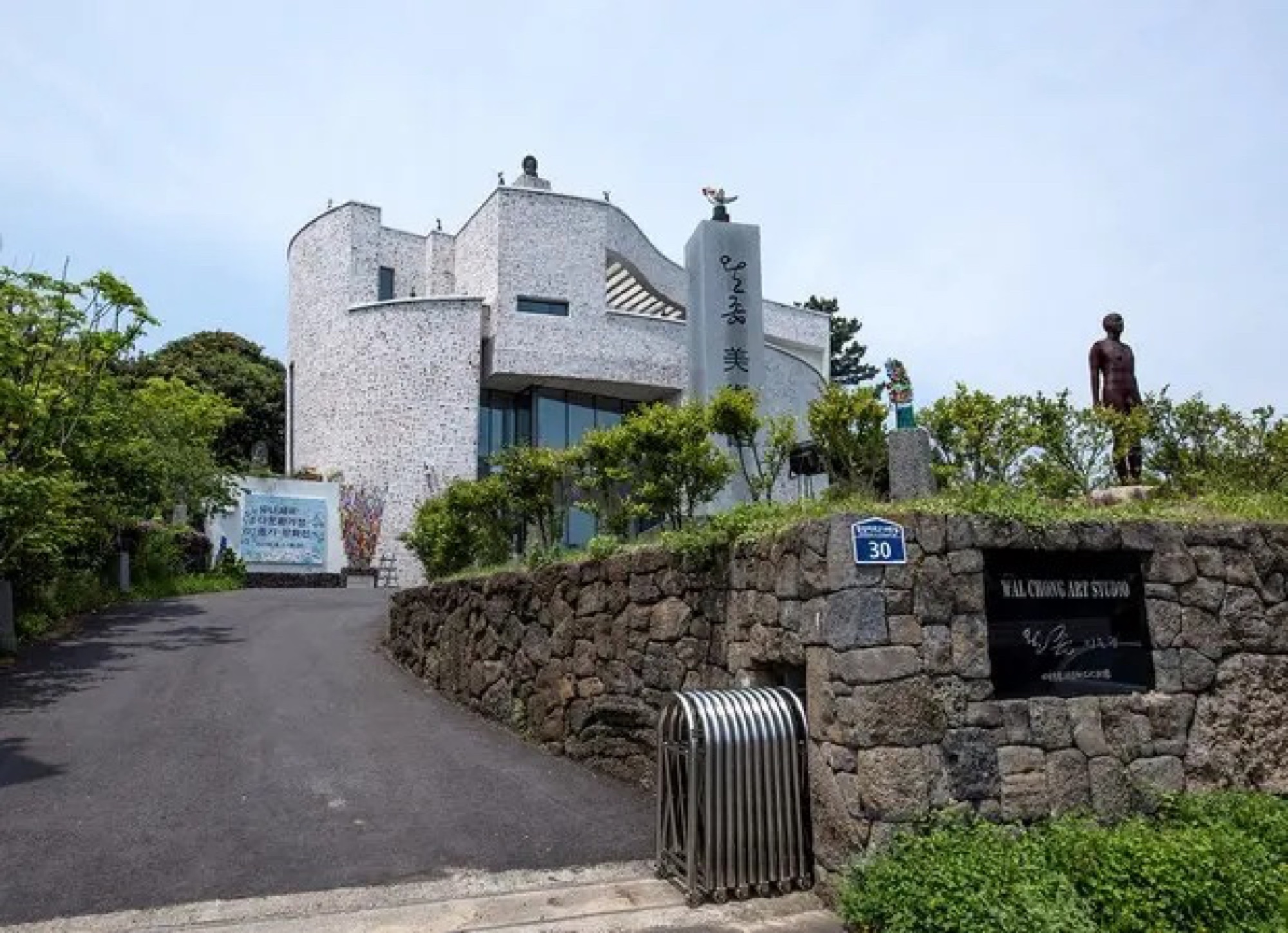
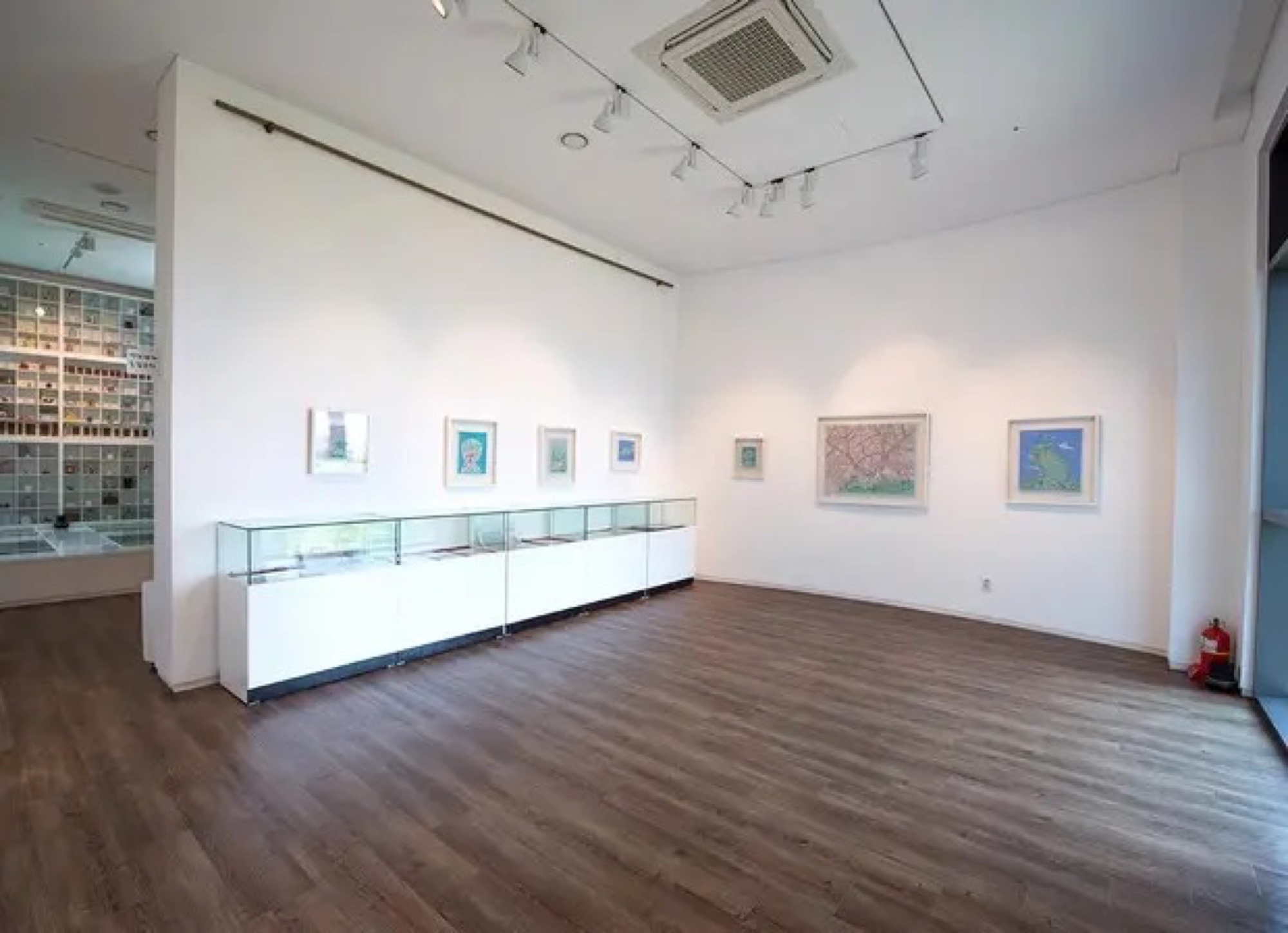
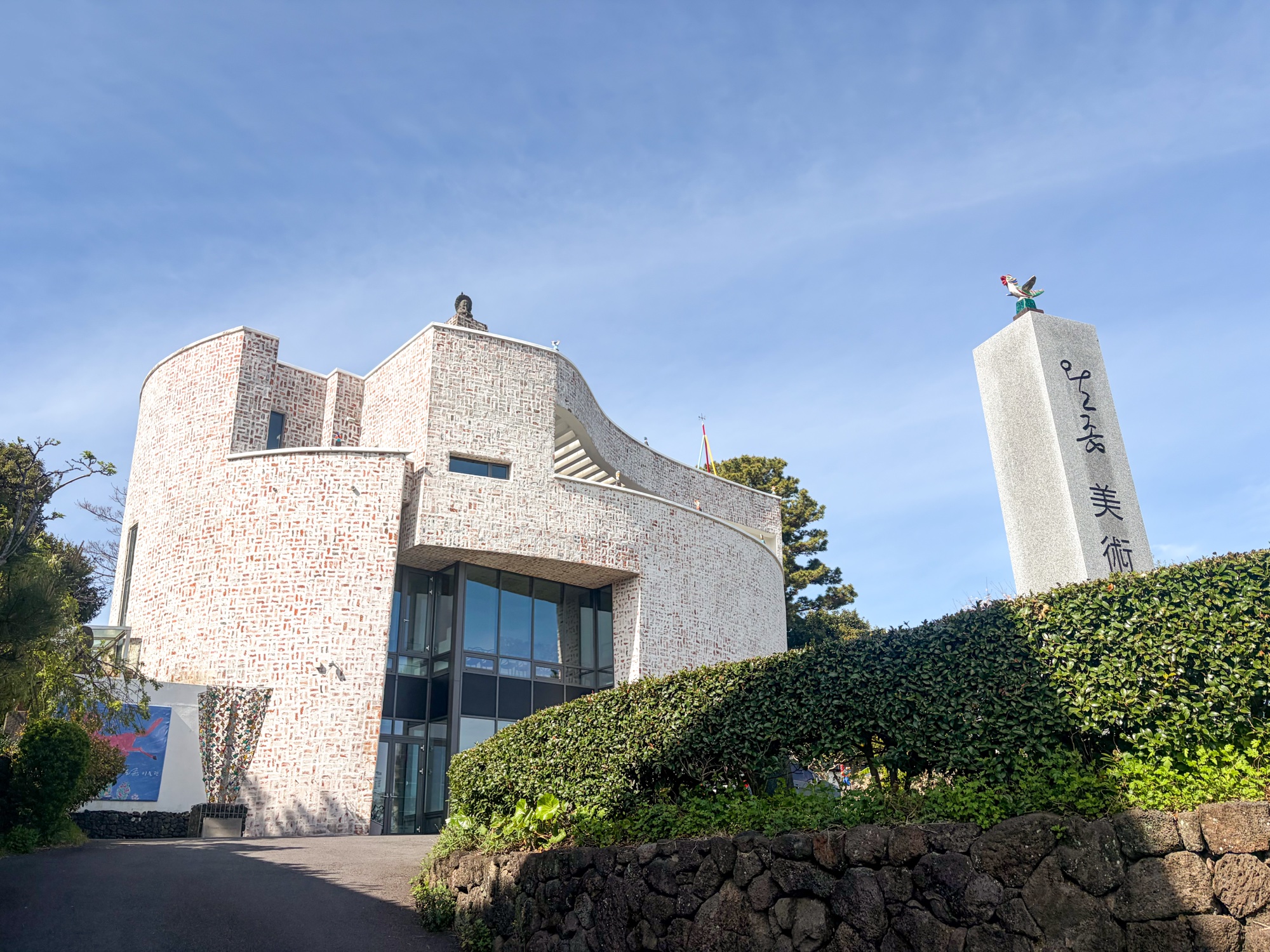
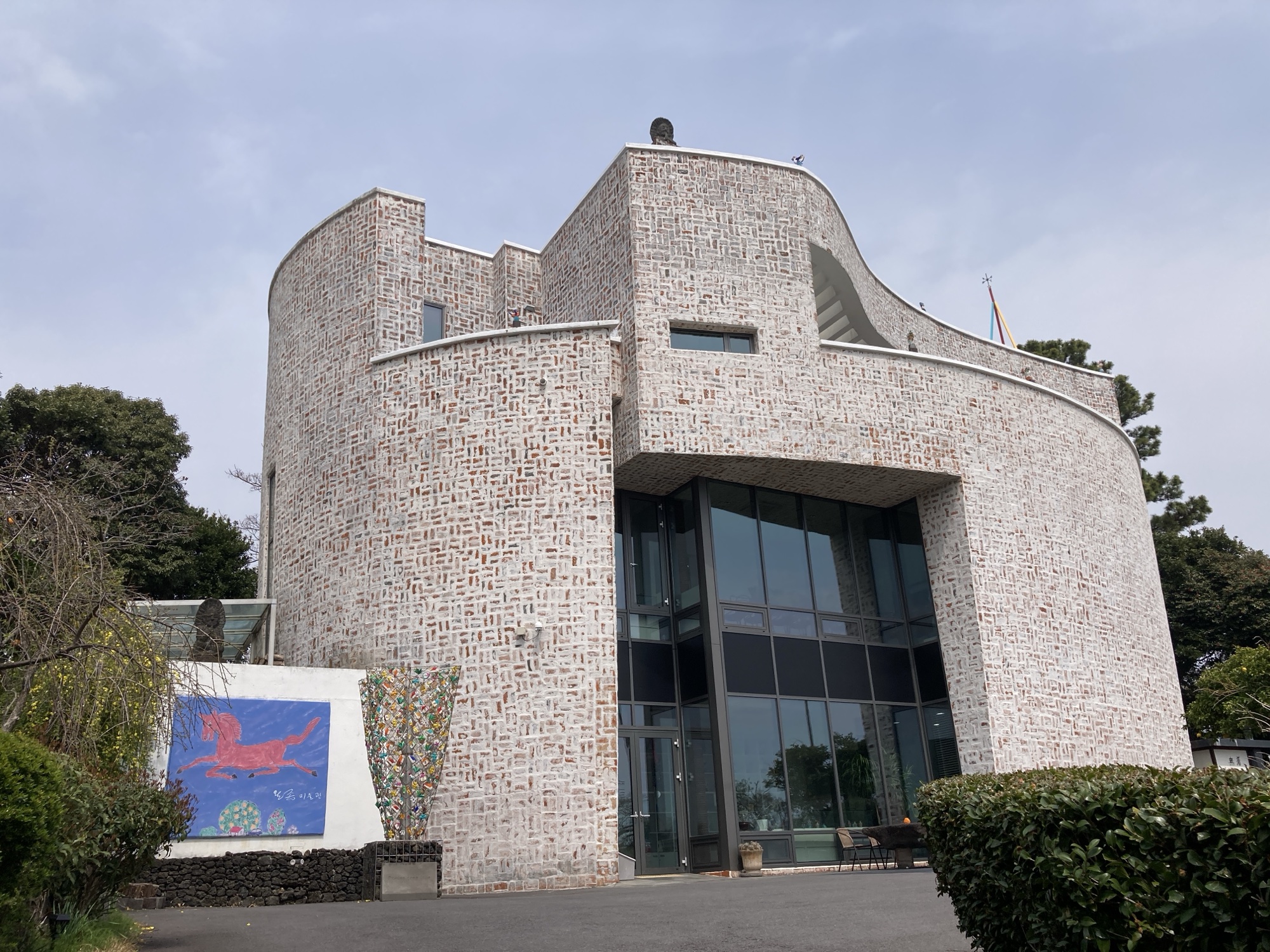
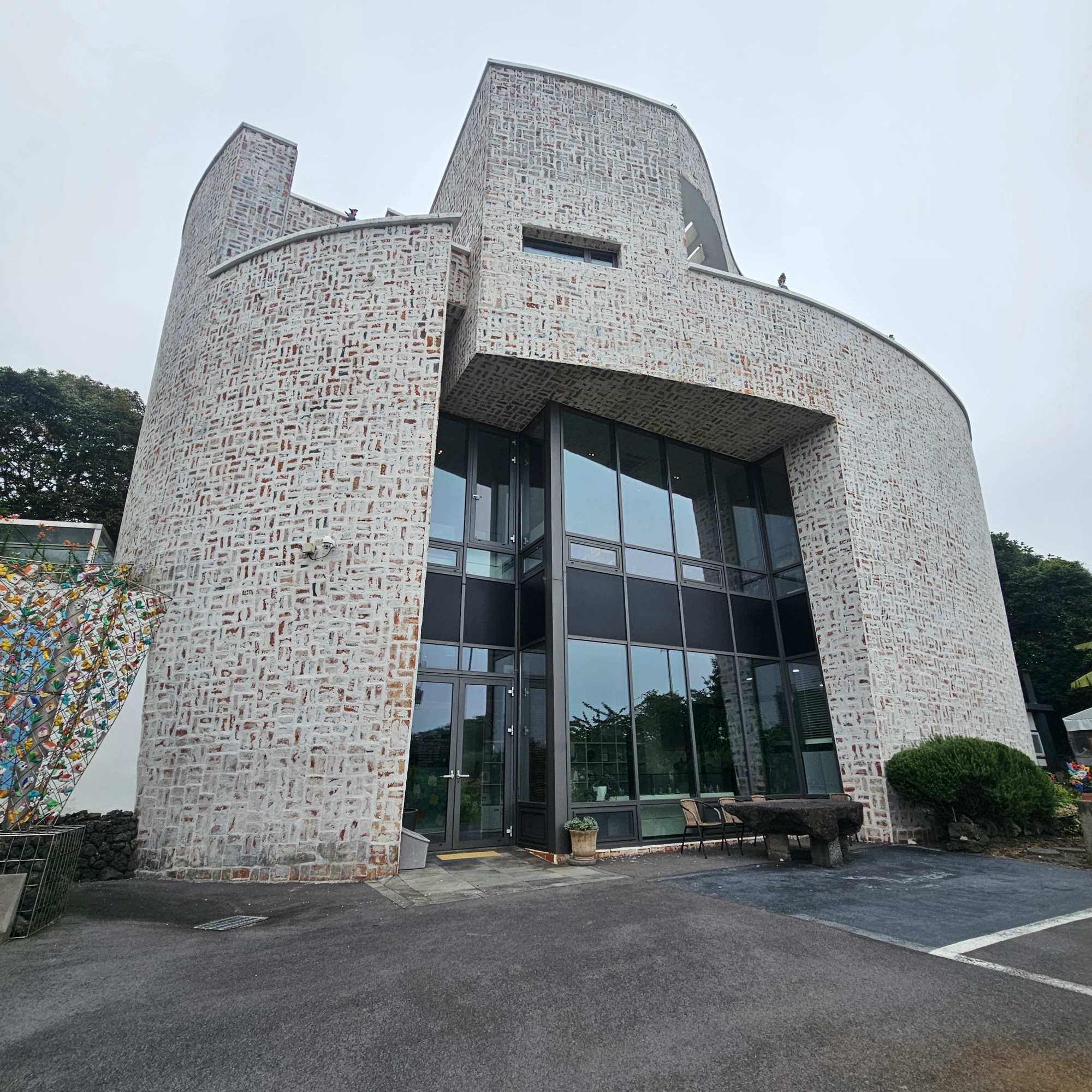
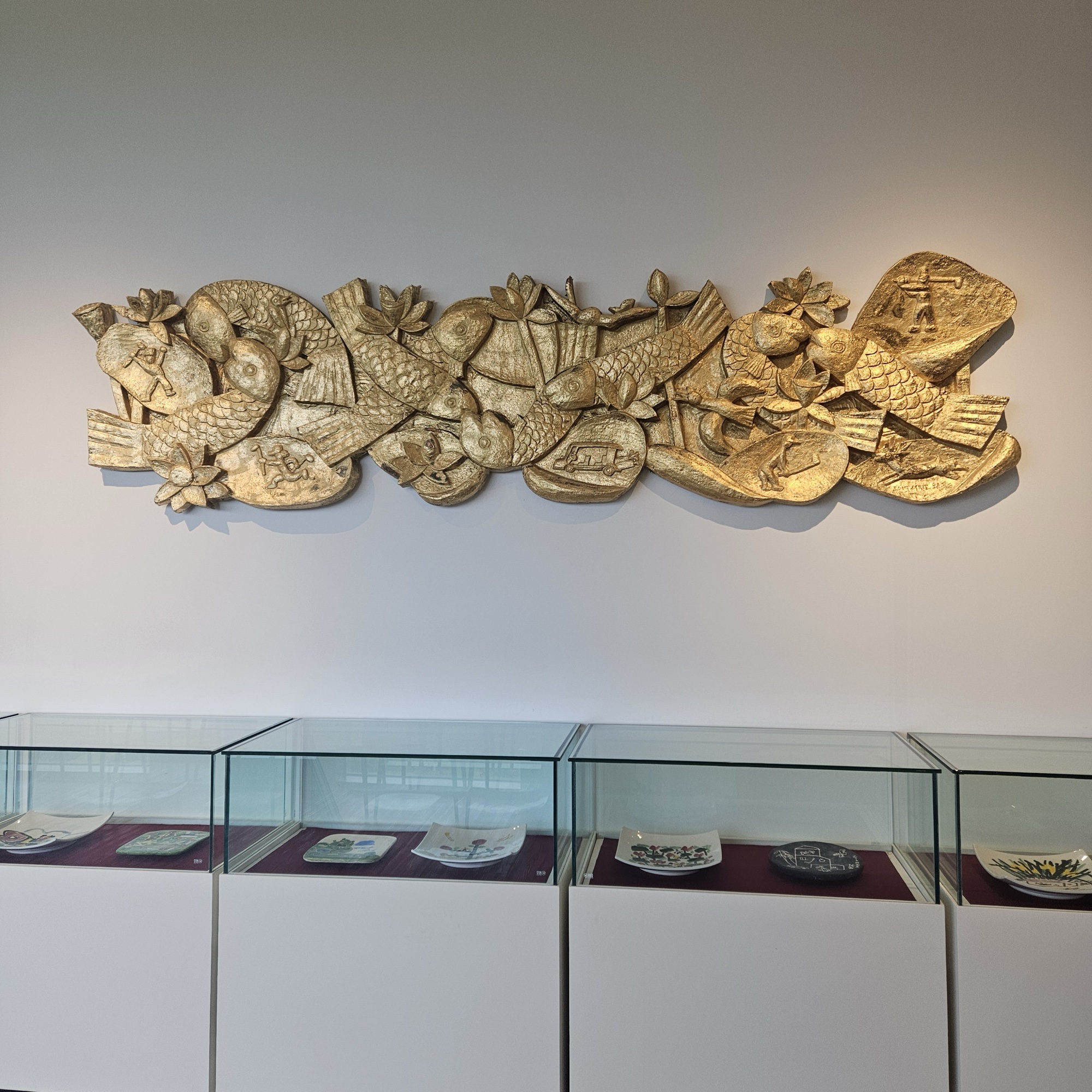
A private art museum built on the former home site of painter Lee Wal-chong, who settled in Jeju. Modeled on a building maquette he shaped from clay, it was built in a form that resembles Joseon white porcelain. From the exhibition rooms to the artist's studio and the rooftop, each floor reveals different paintings, sculptures and views of the sea.
Don't miss
- 1
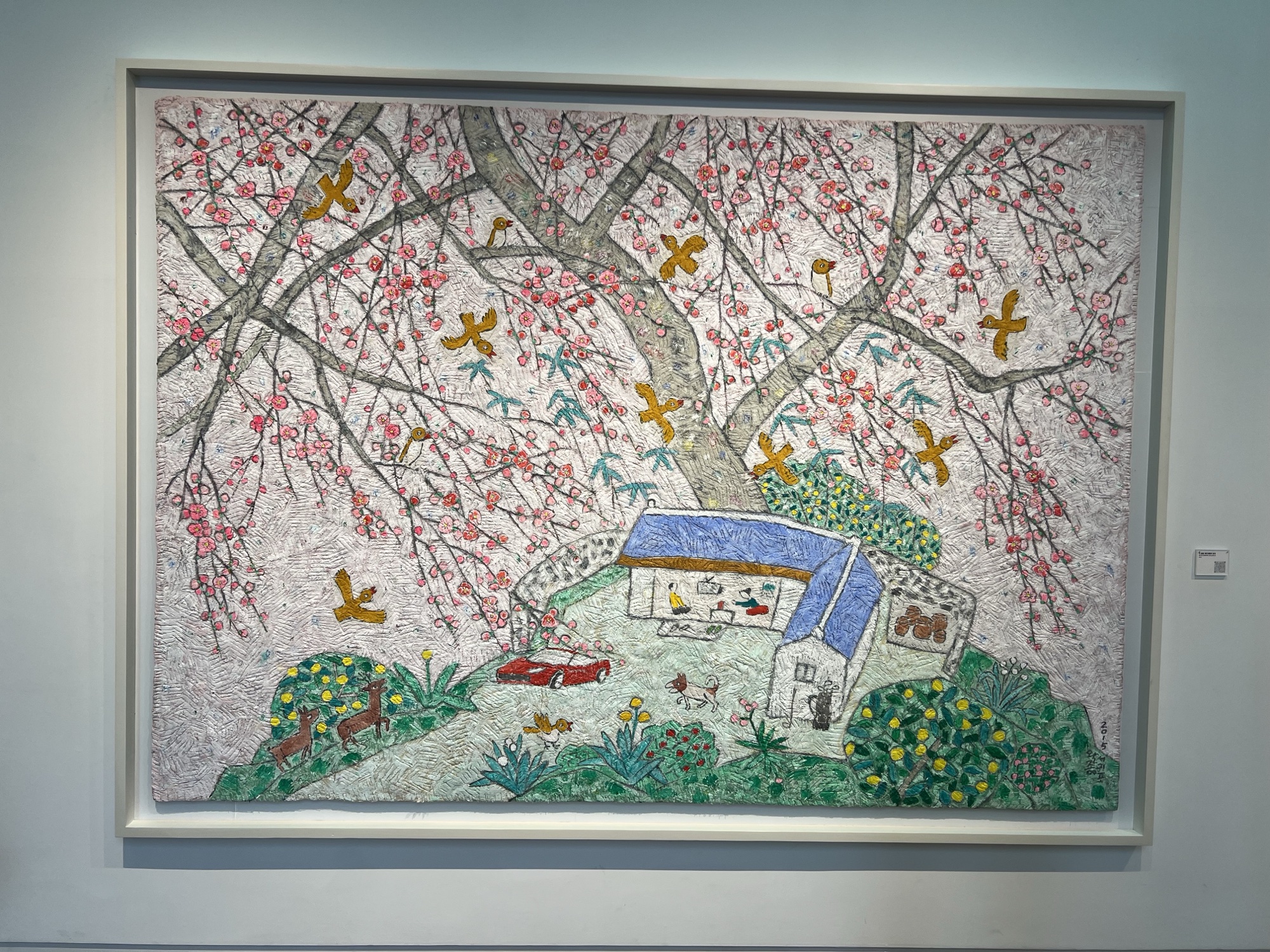
2F Exhibition Room
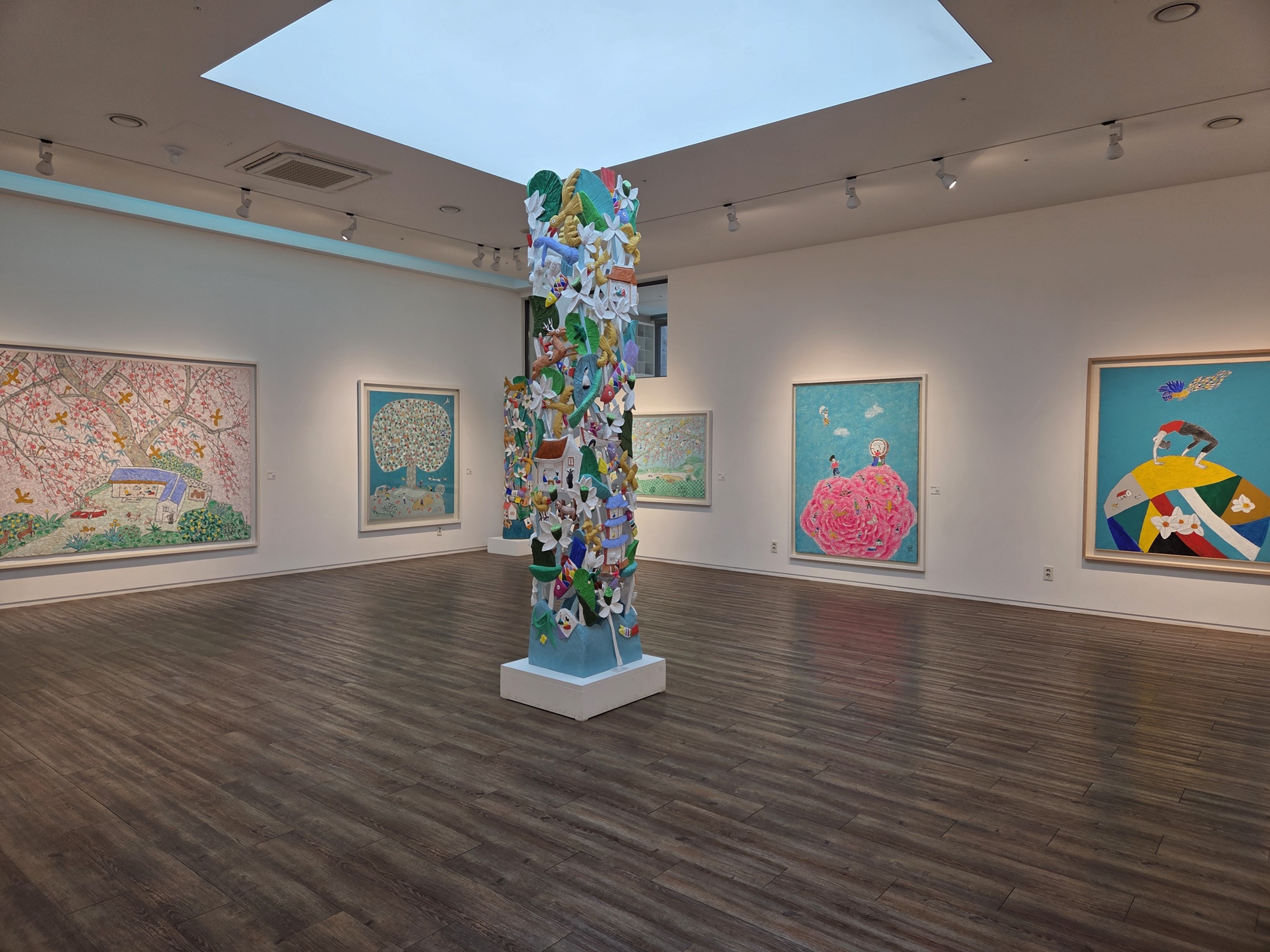
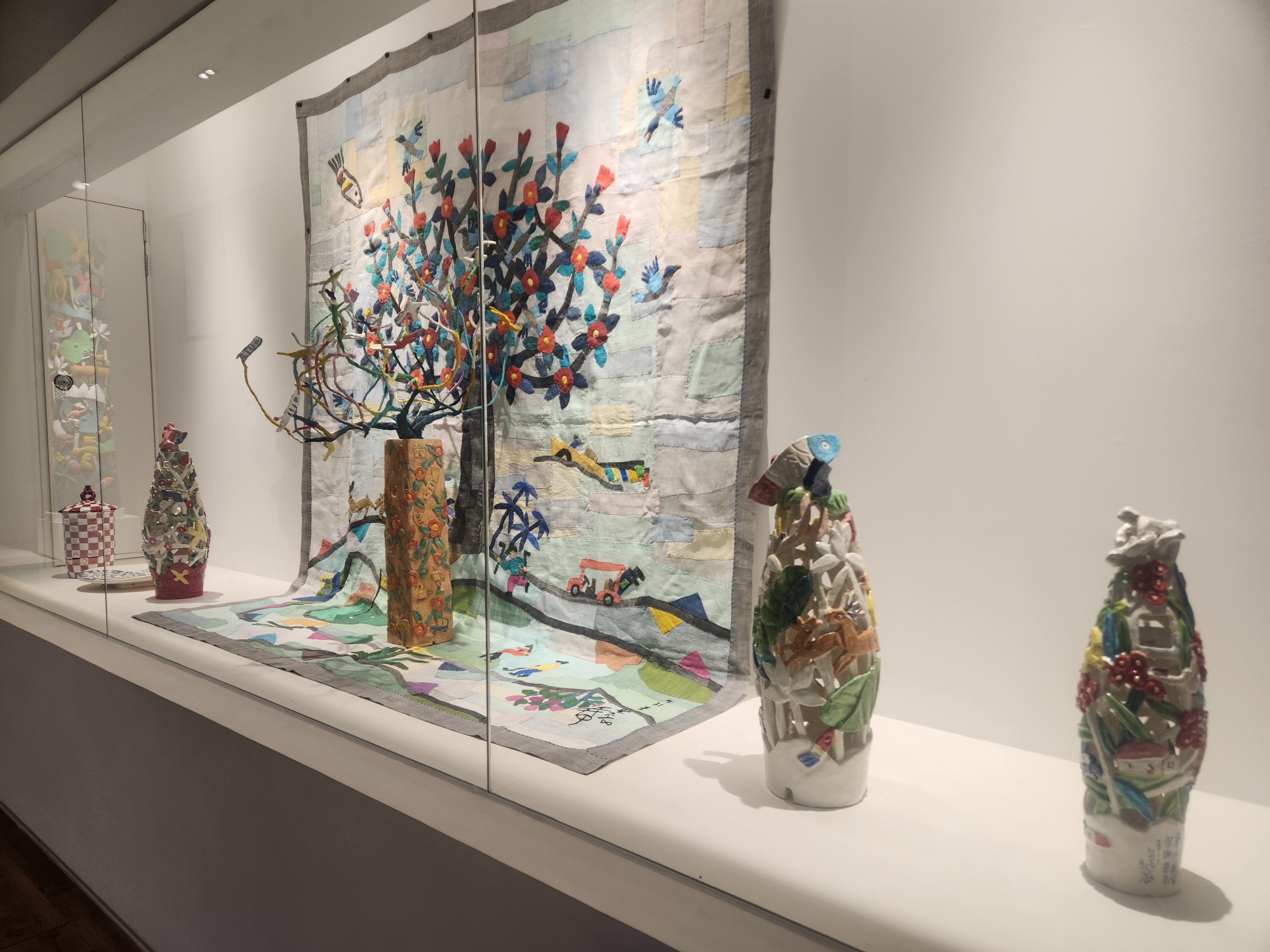
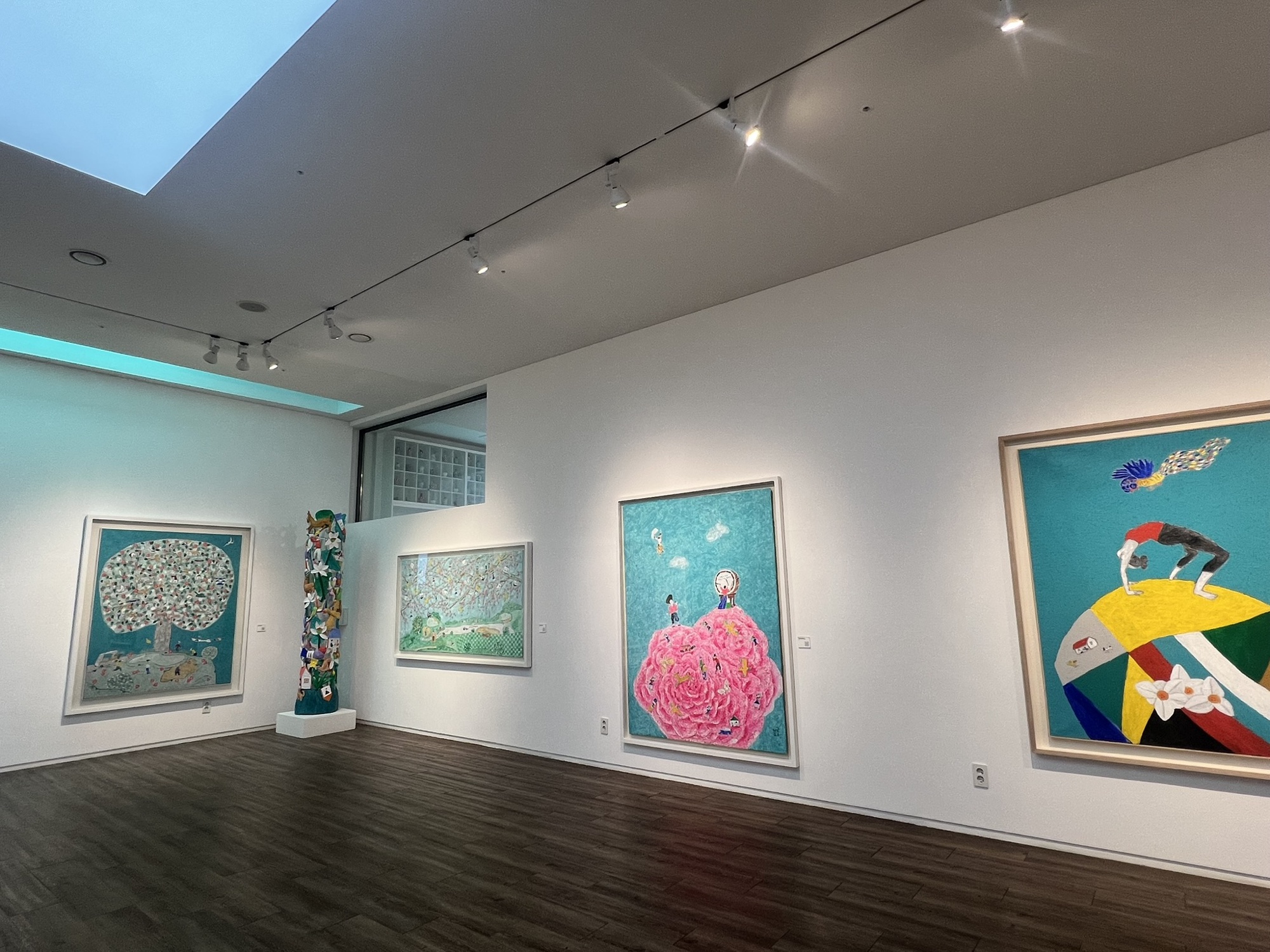
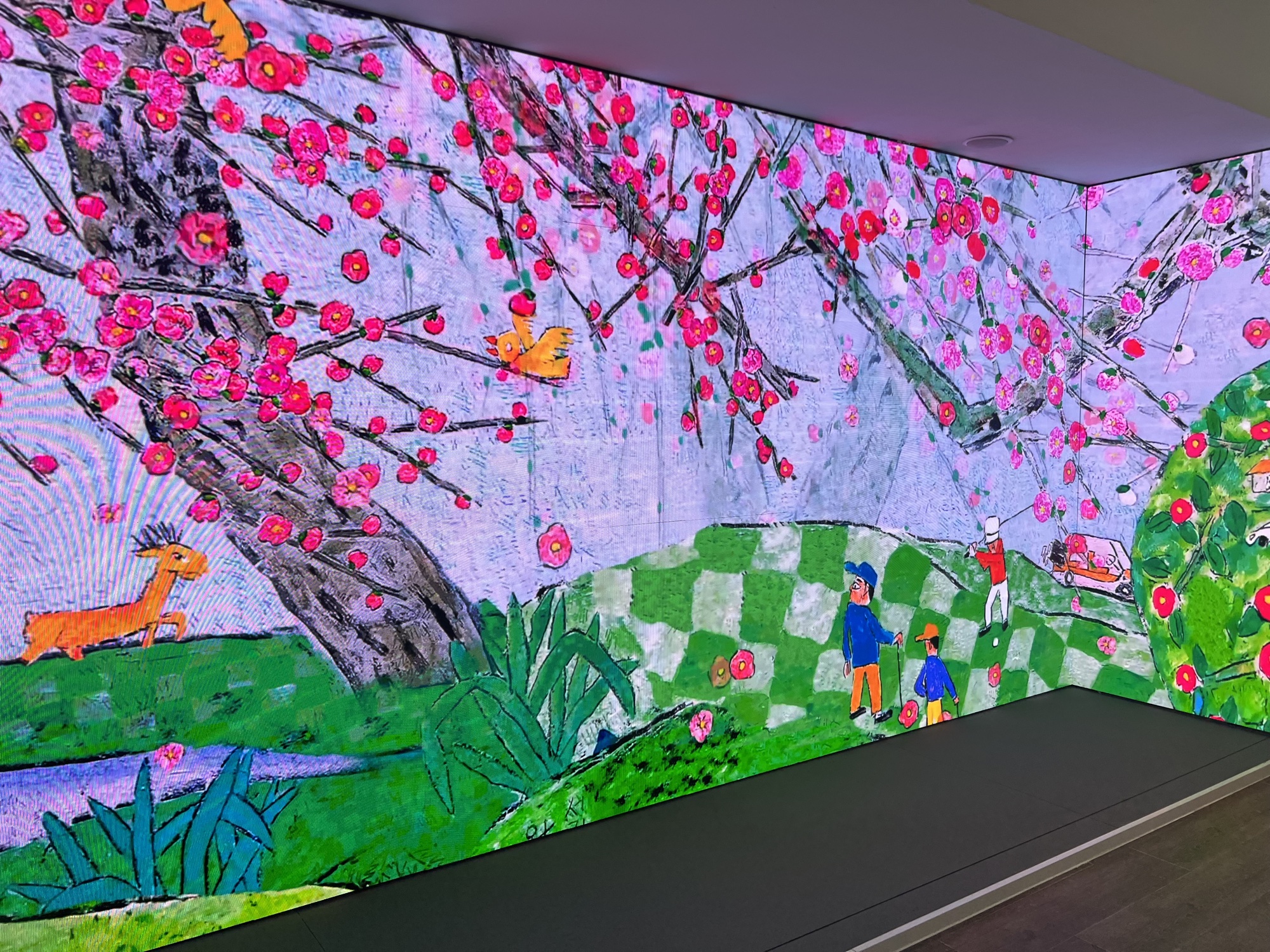
Lee Wal-chong's paintings of plum blossoms, houses, children and animals, plus ceramics, reliefs and video works.
Photo · 진주 (네이버 블로그)
- 2
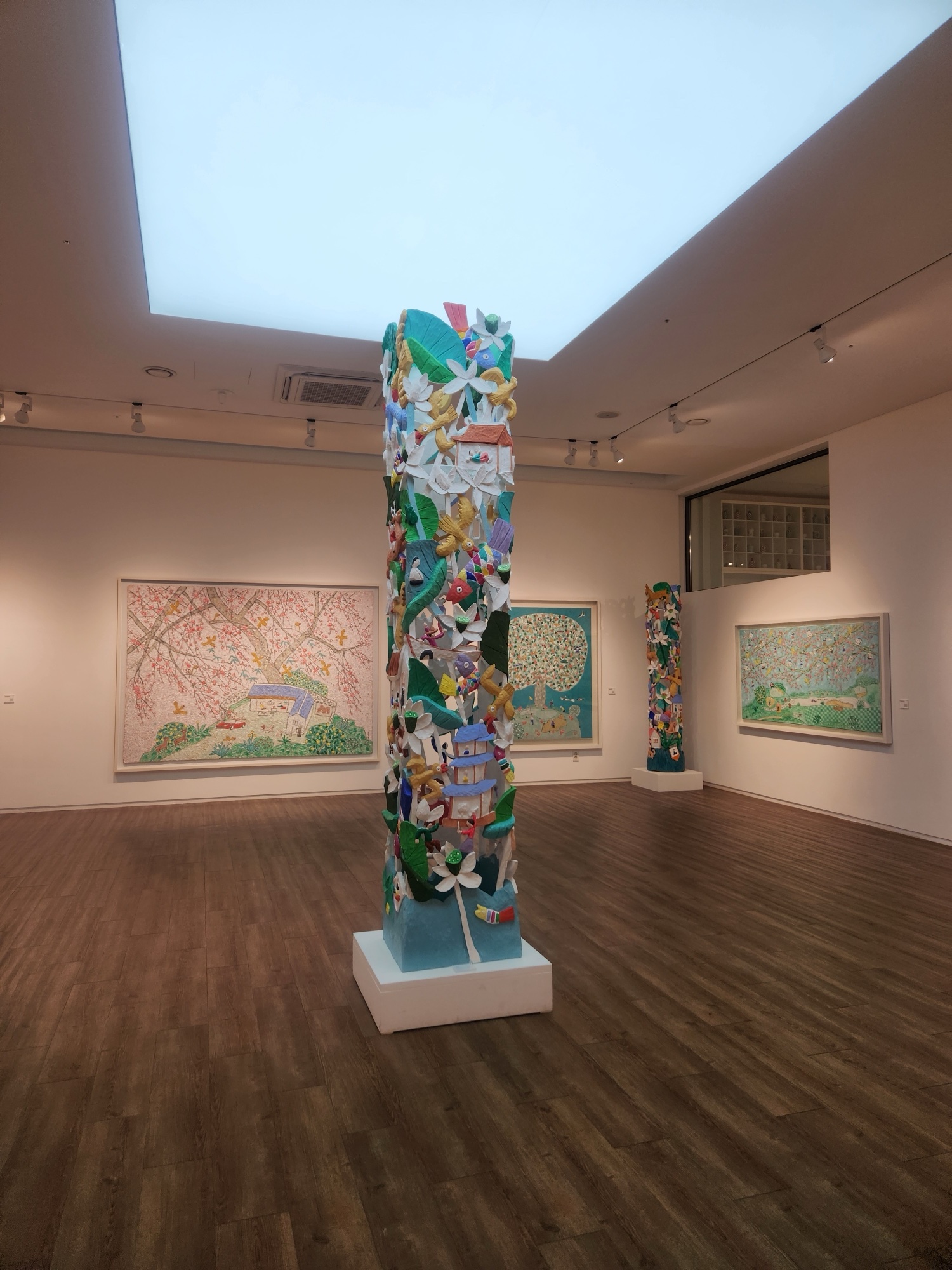
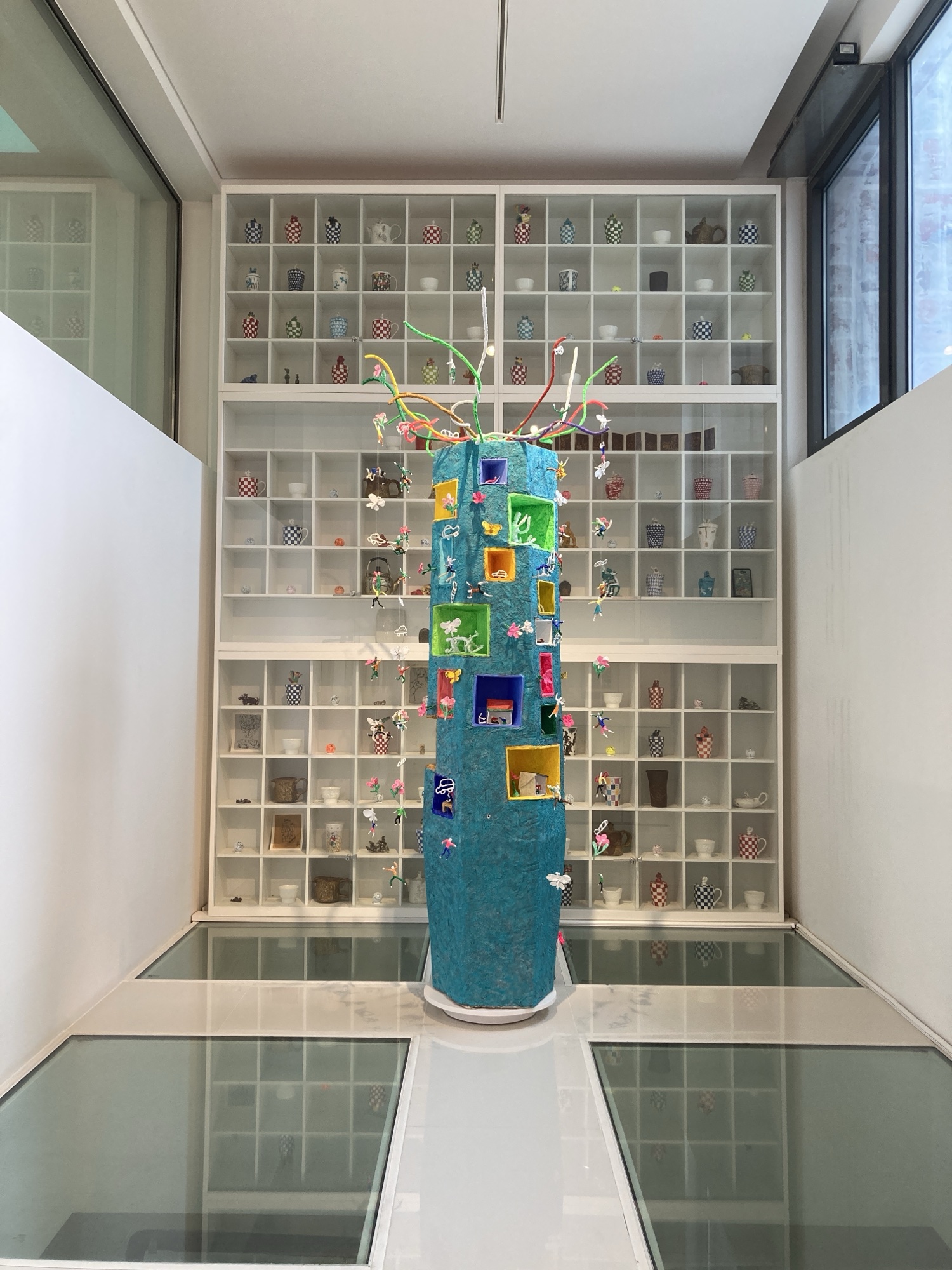
Sculpture Pillars & Installations
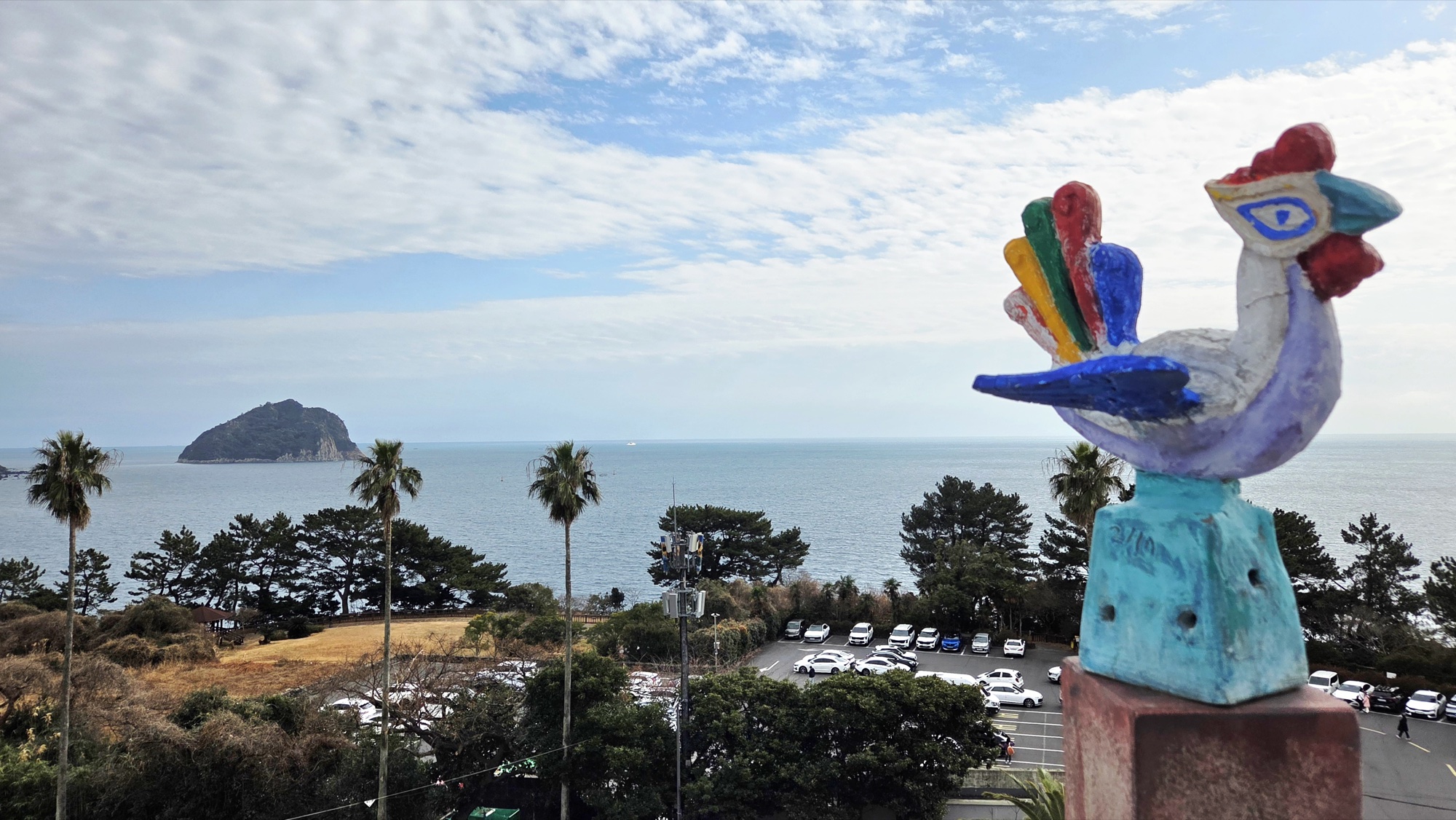
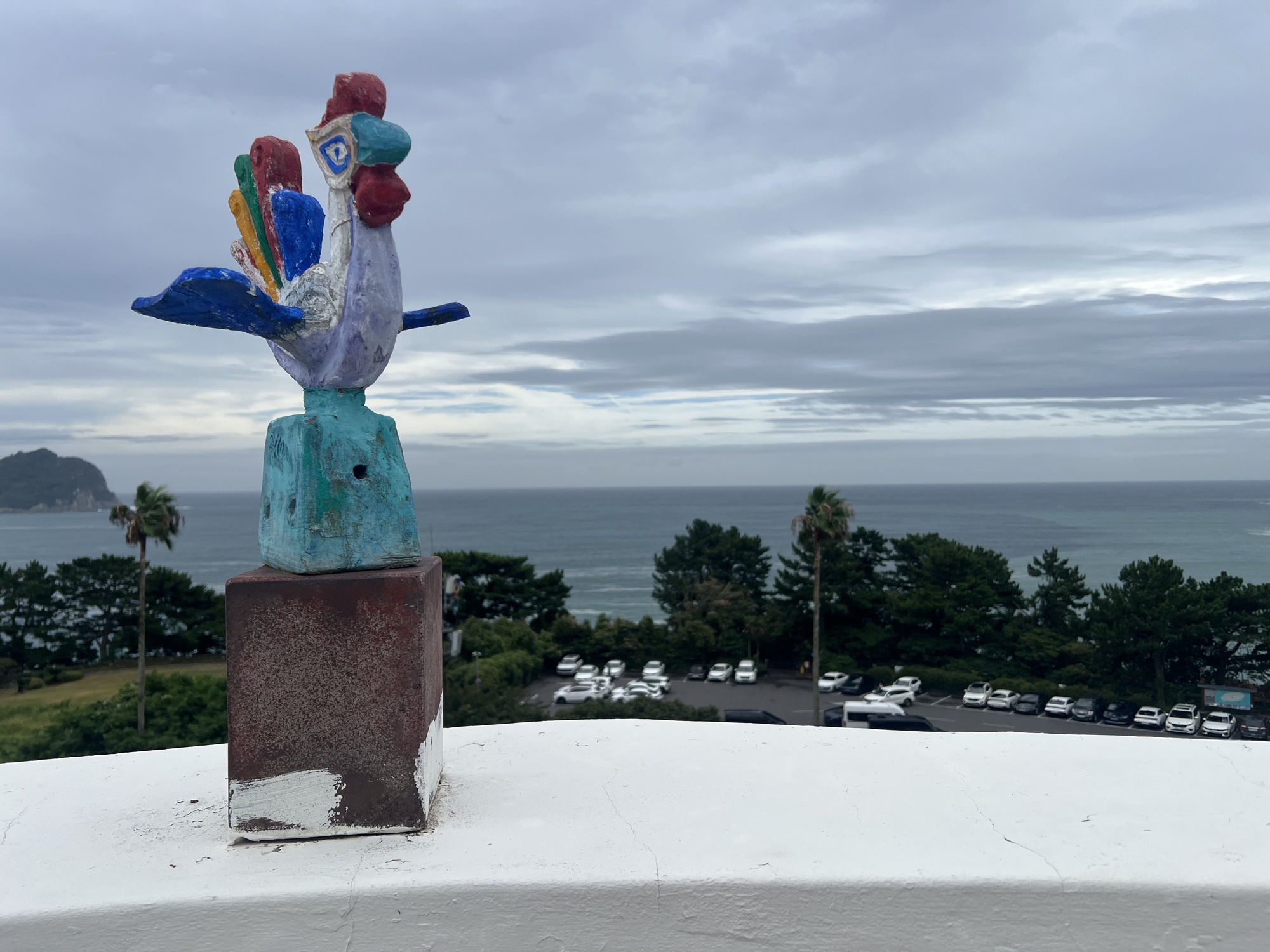
Painted pillars packed with Jeju's flowers, birds and houses stand mid-room. Don't miss the one by the display wall.
Photo · 수니의 슬기로운 생활 (네이버 블로그)
- 3
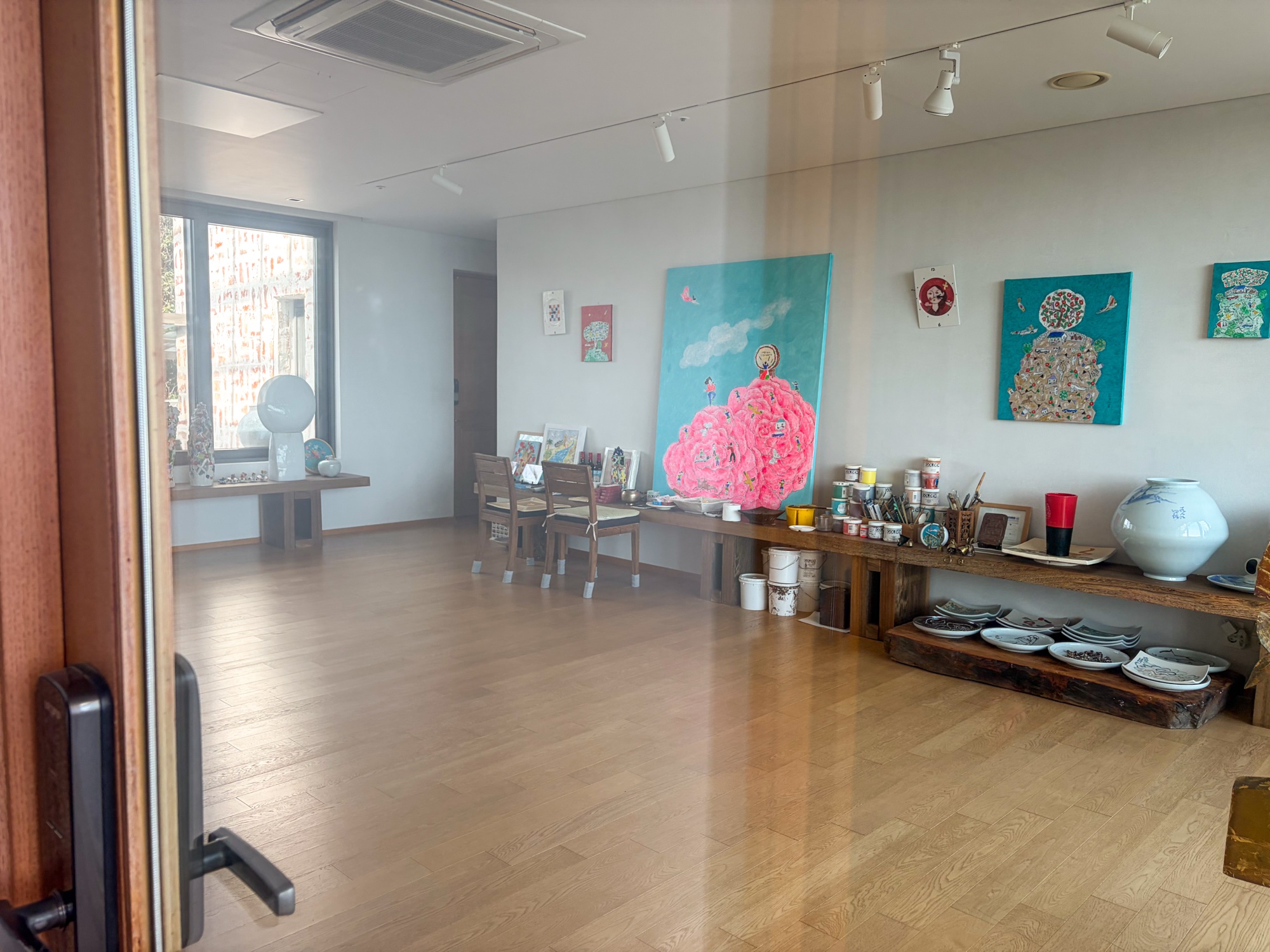
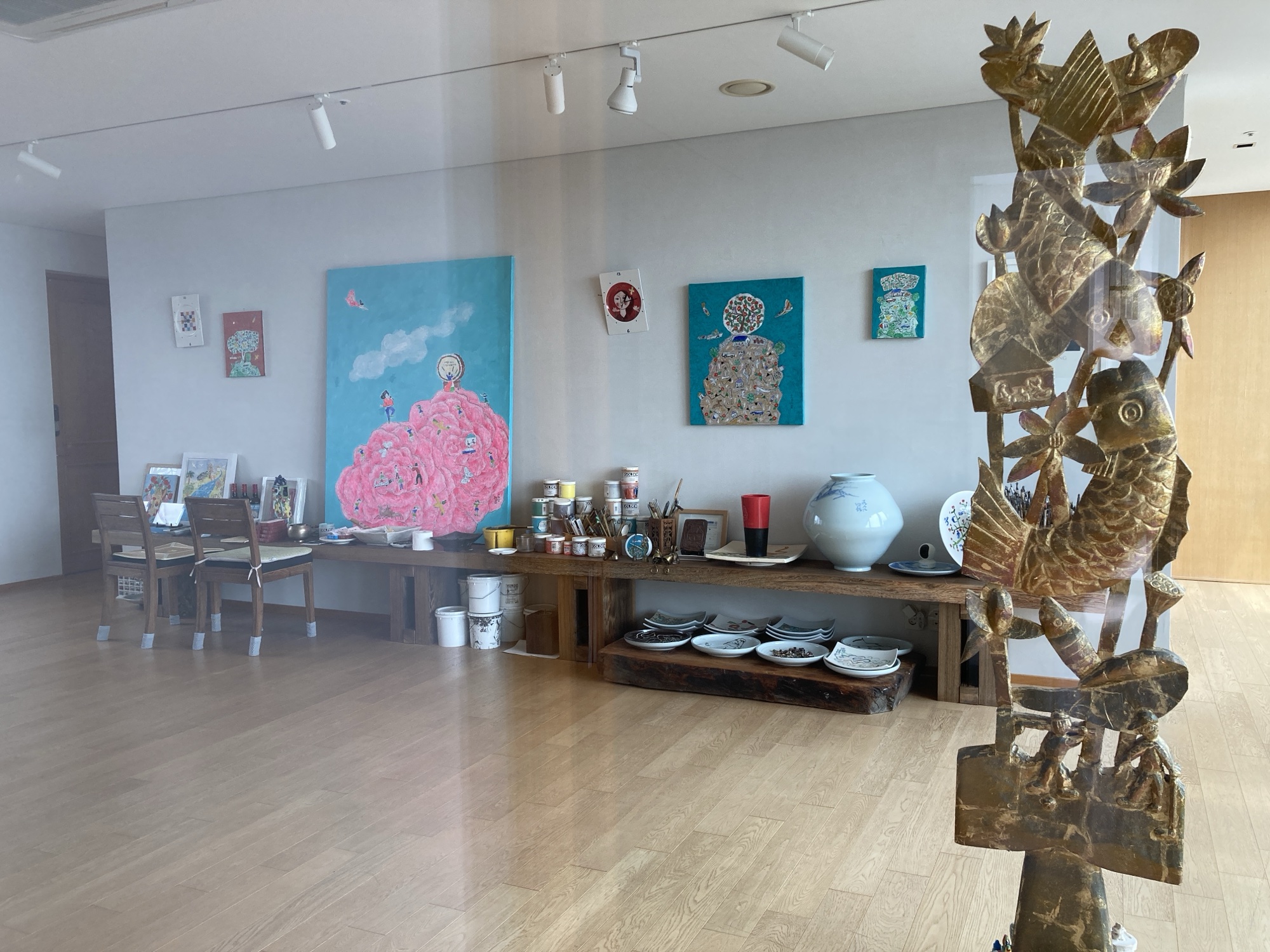
3F Artist's Studio
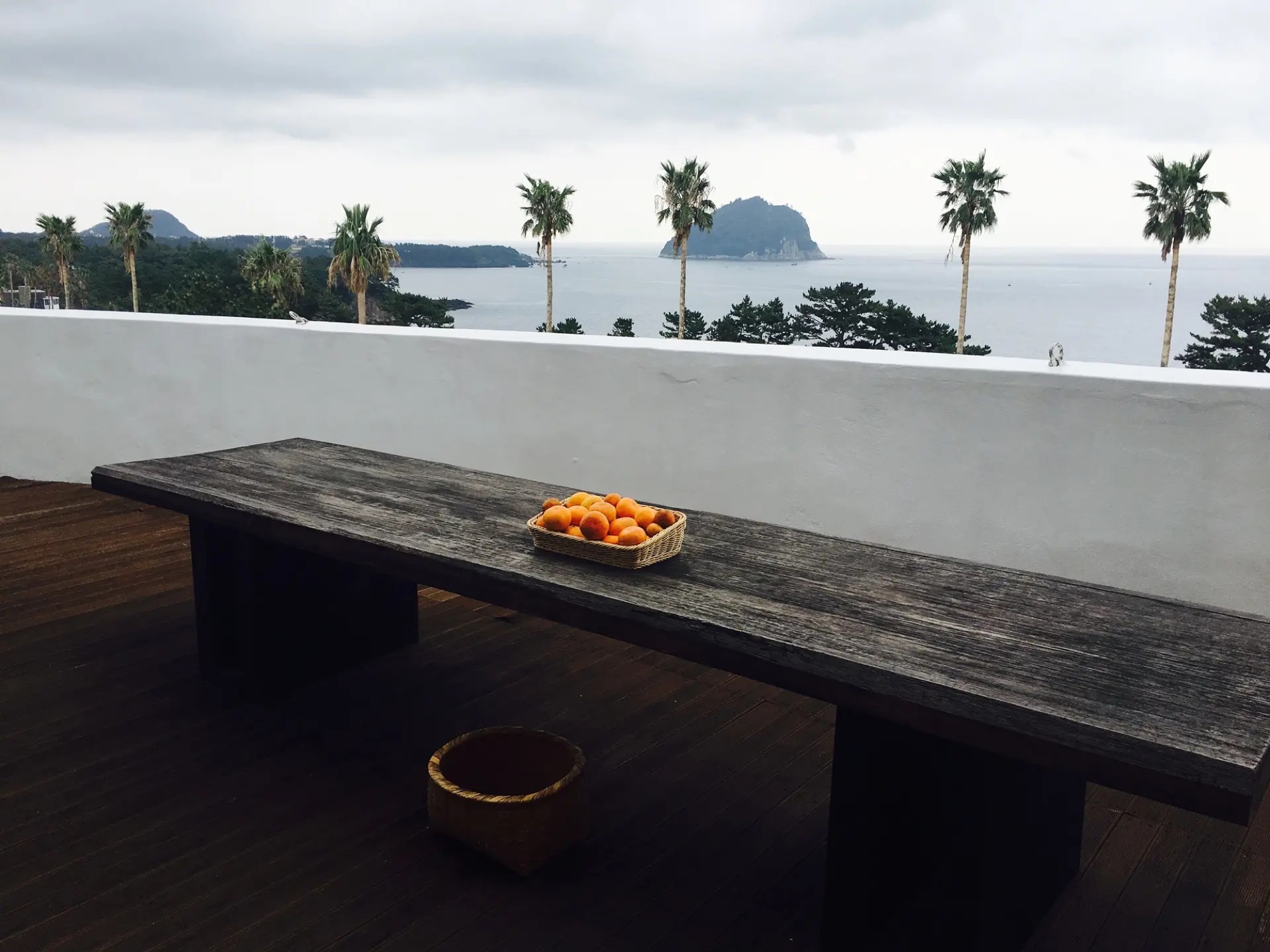
Where the artist actually works. Through the windows, the sea opens up with Munseom and Beomseom islands.
Photo · 수니의 슬기로운 생활 (네이버 블로그)
- 4
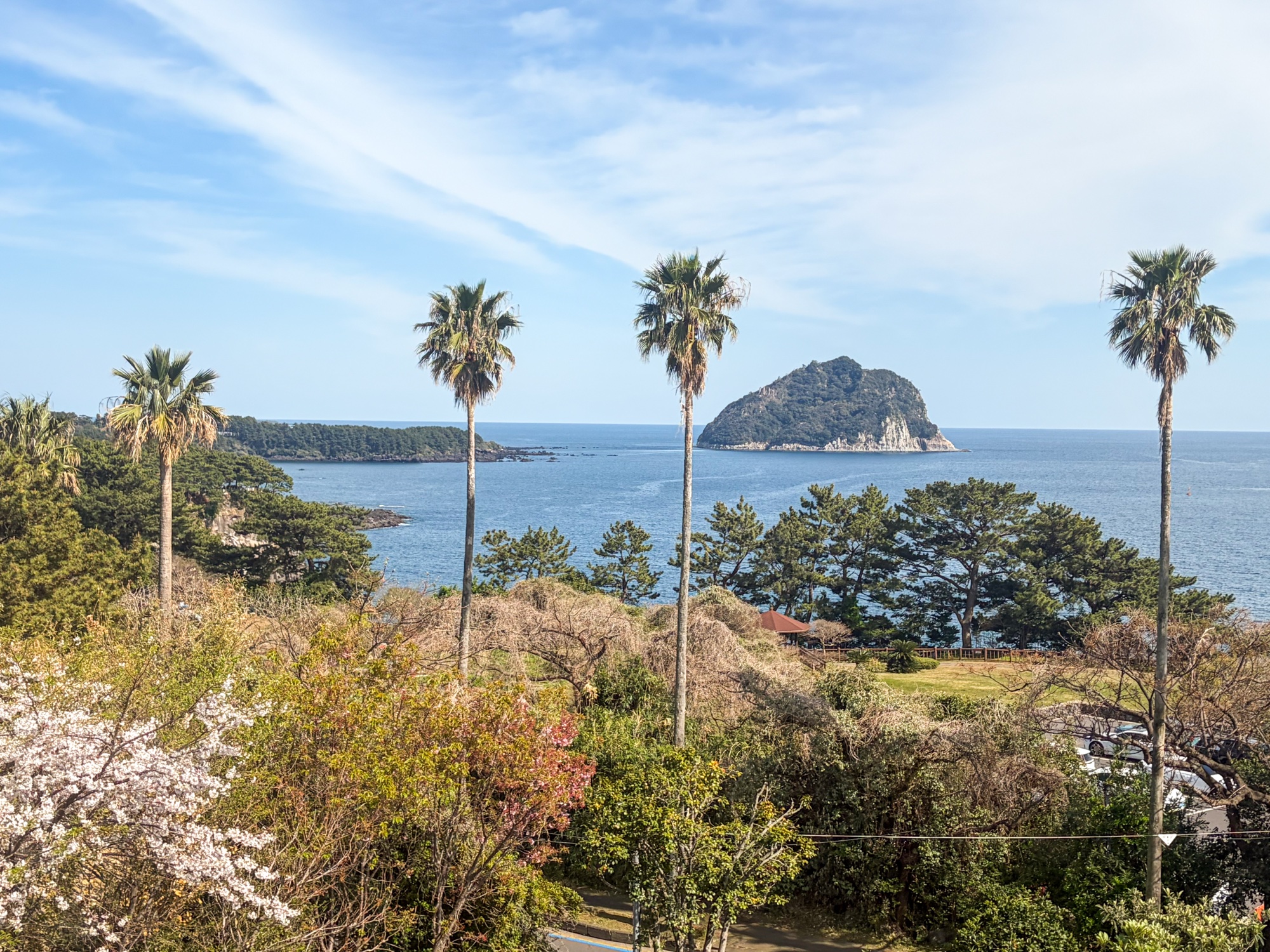
Rooftop Garden & View
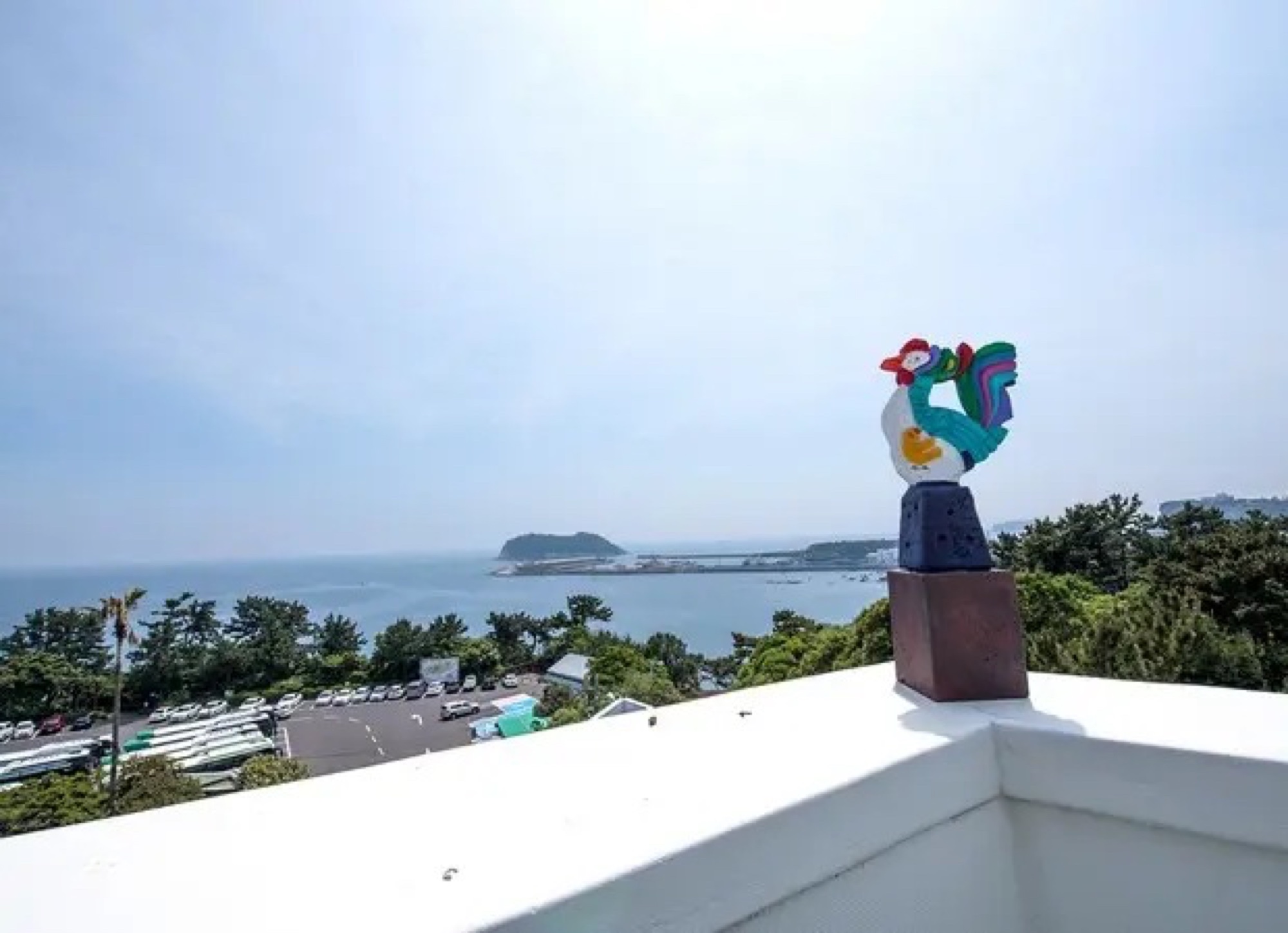
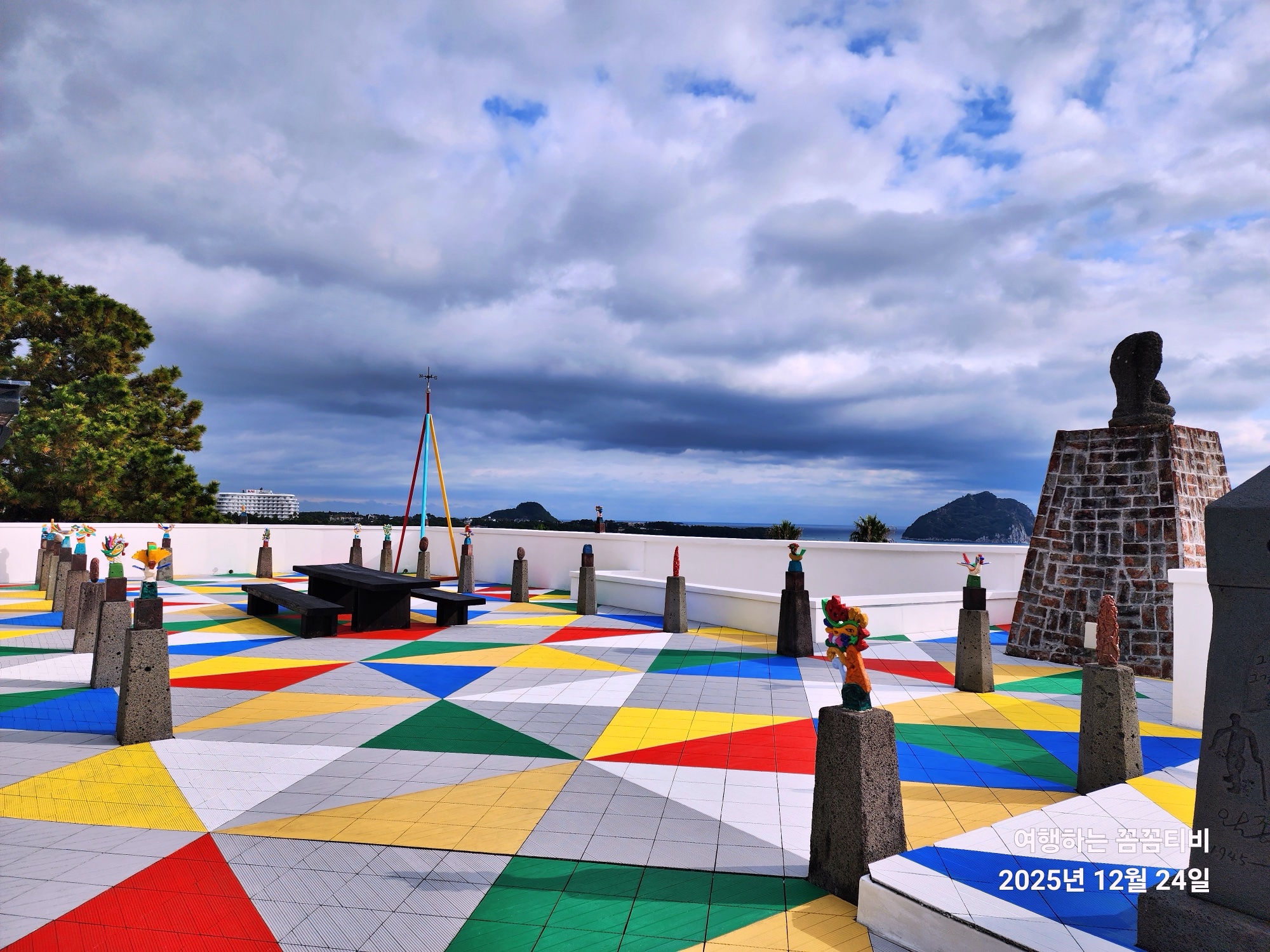
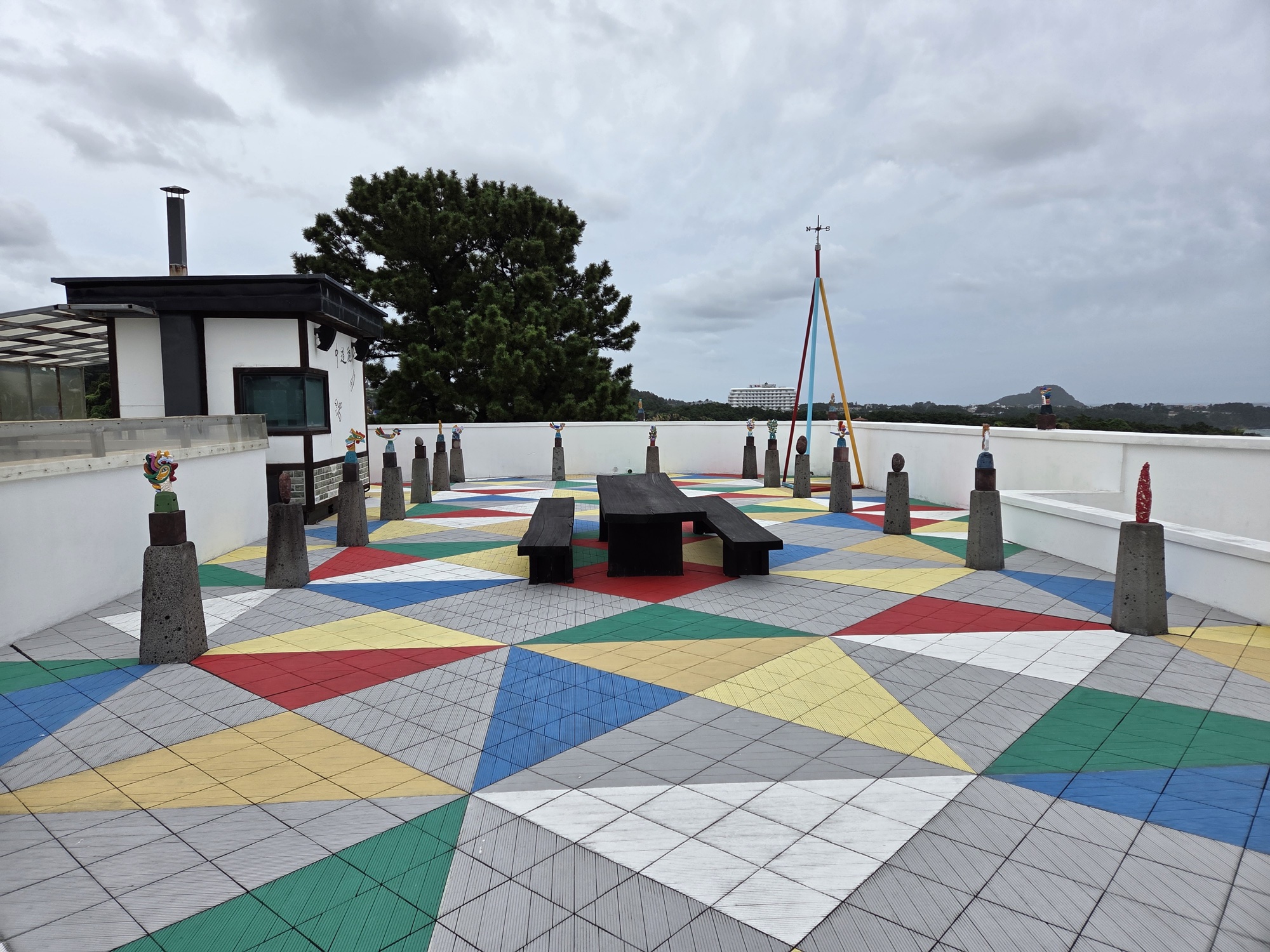
A rooftop of colorful diamond tiles and sculptures. Beyond the railing, Seogwipo's sea and islands spread out.
Photo · 숨비공작소 (네이버 블로그)
- 5
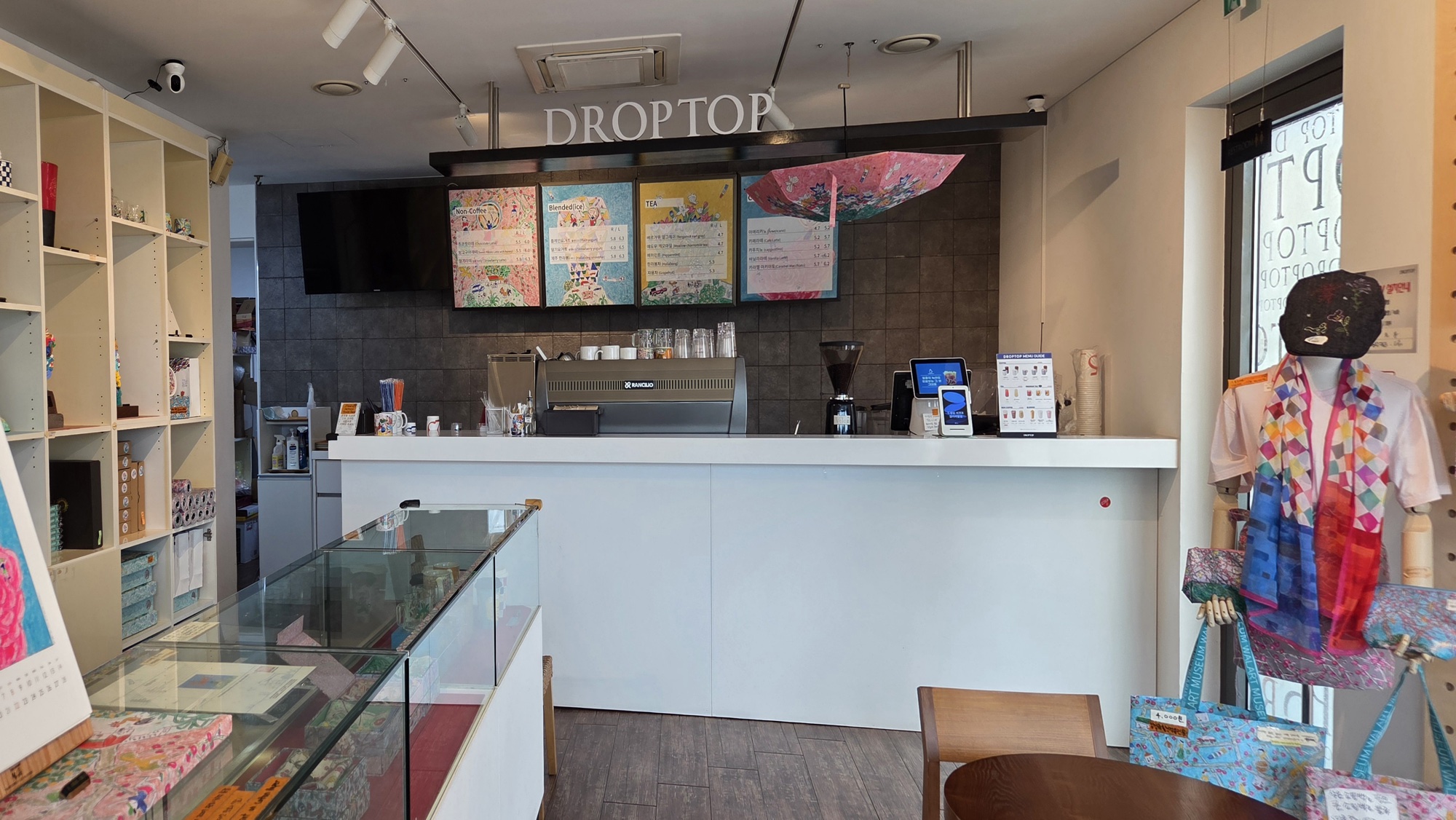
Art Shop & Café
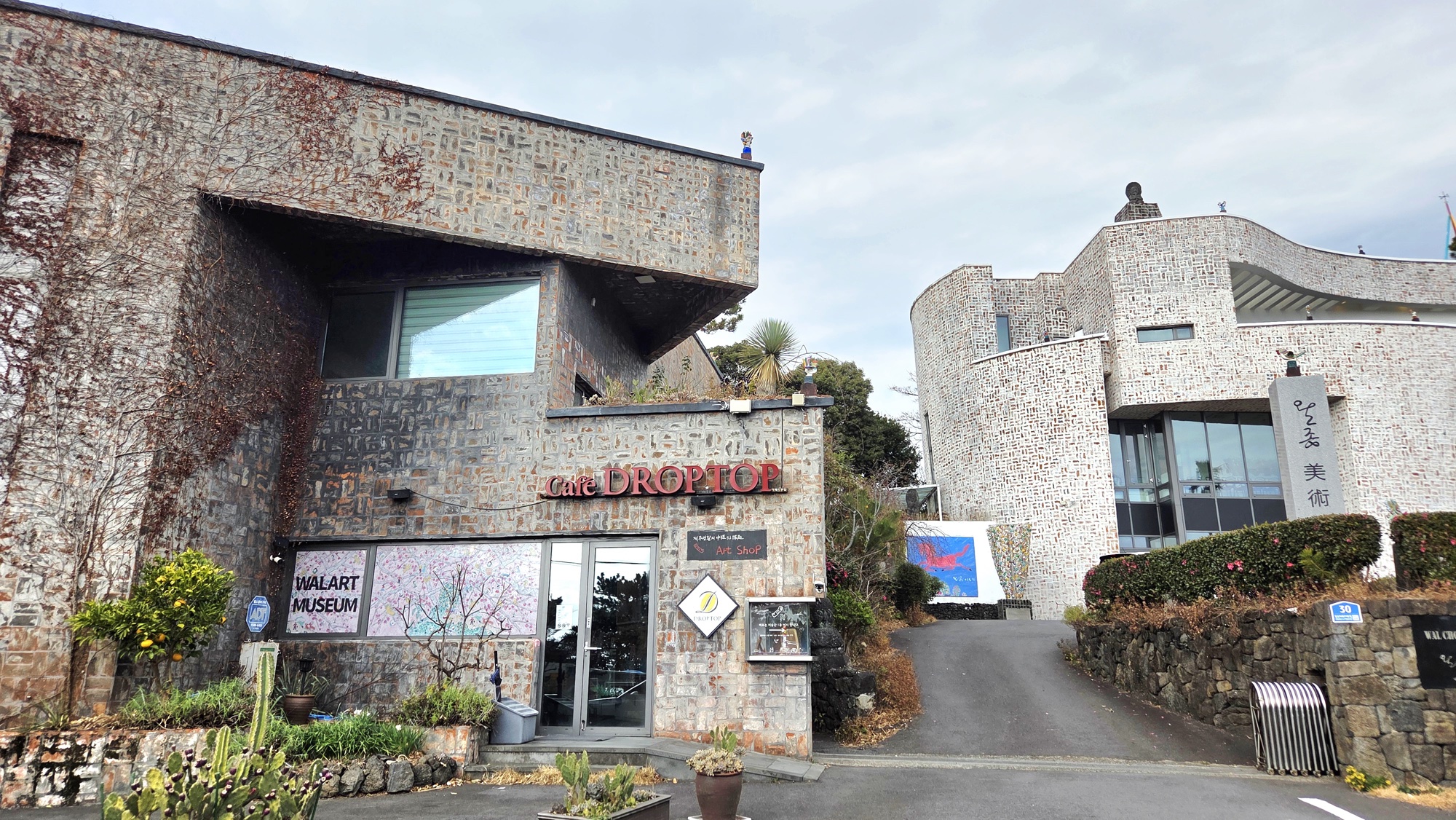
In the next building, browse goods with the artist's paintings and enjoy a coffee.
Photo · 제주도 금시세 잘 쳐주는 금거래소 인정! (네이버 블로그)
Explore
Entrance & Garden
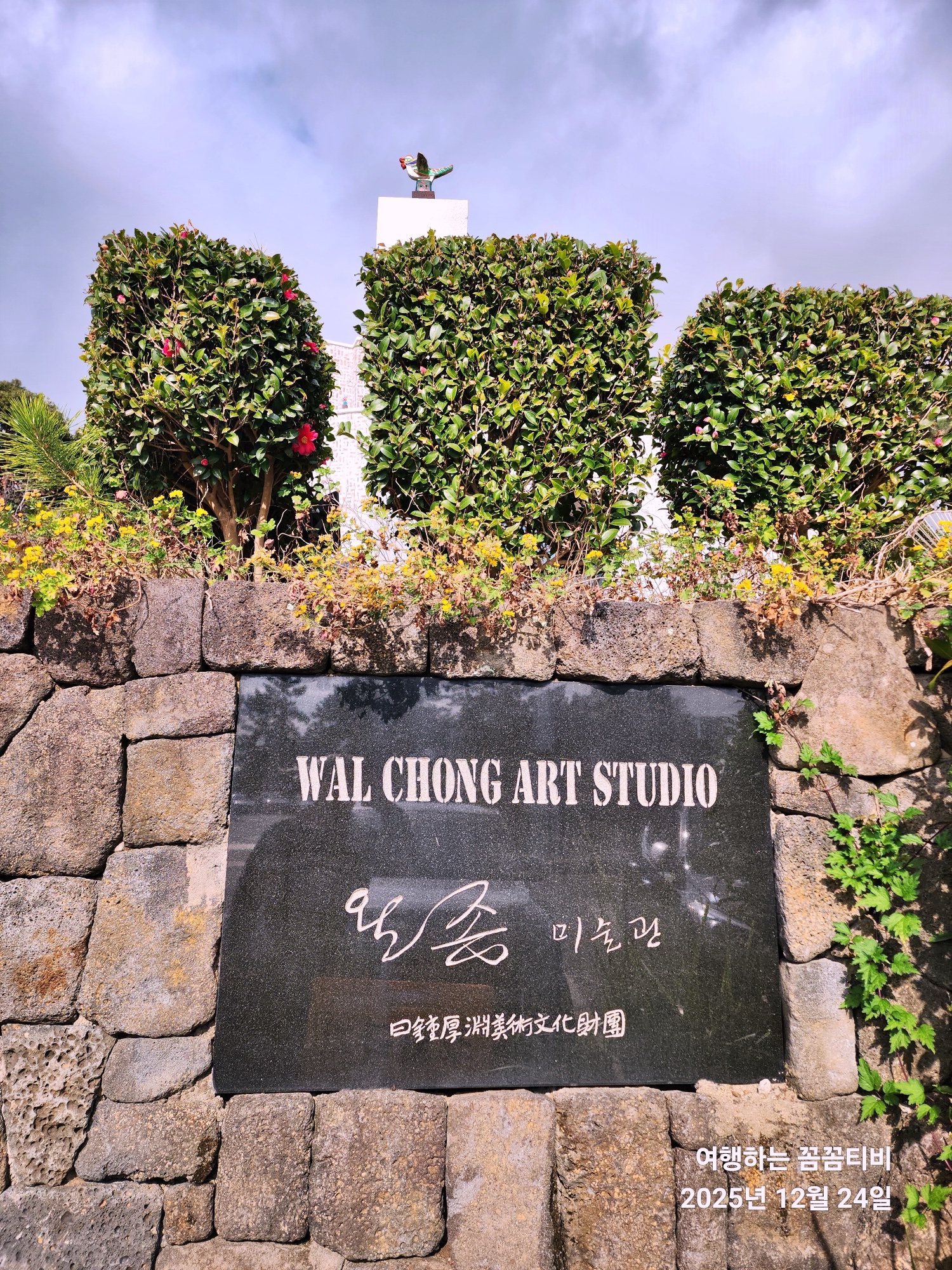
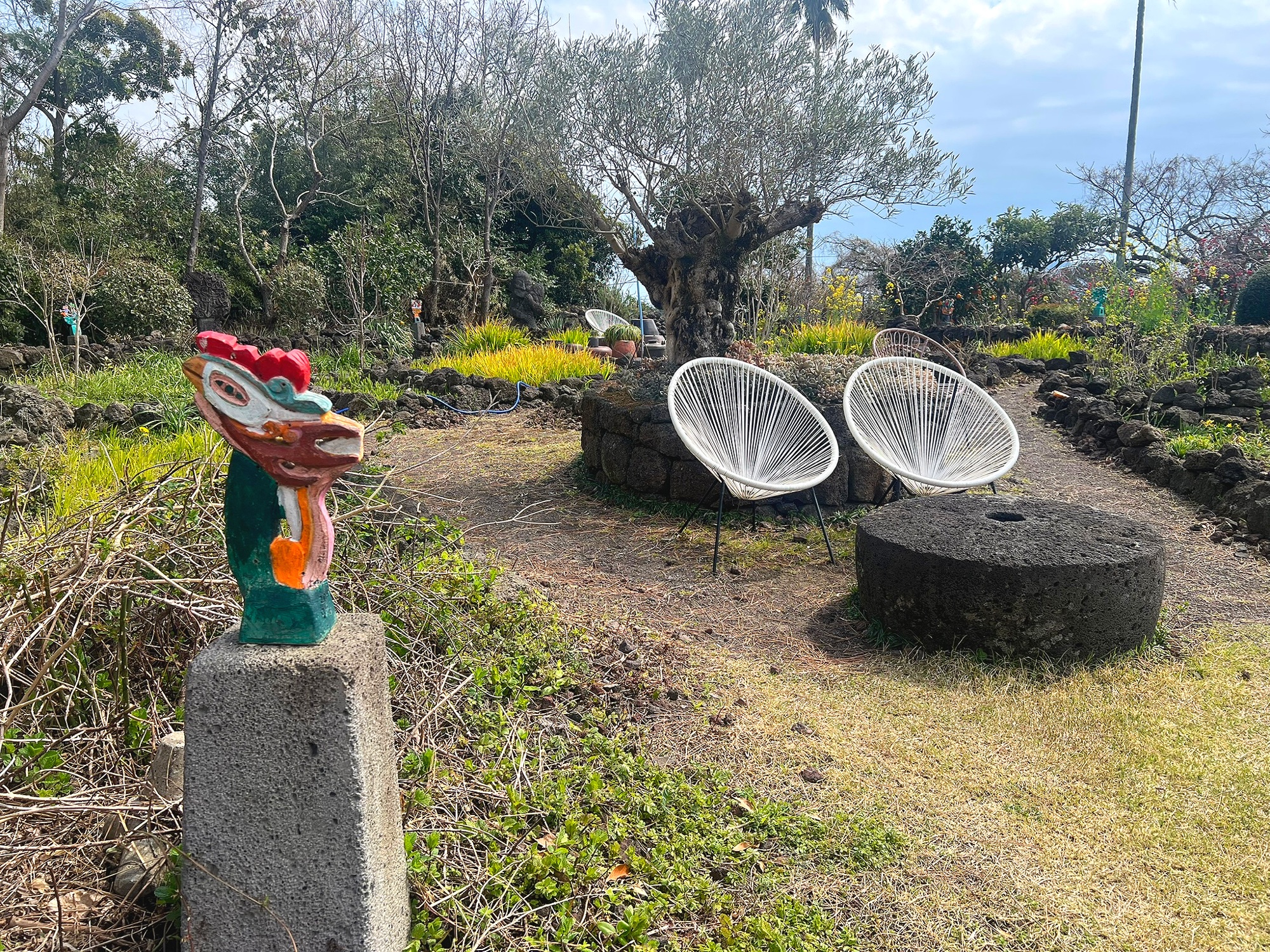
Enter past the WAL CHONG ART STUDIO stone sign on the wall. Small sculptures sit in the garden by the gate.
Good to know before you go
Start with the building's exterior. The white-brick, pottery-like facade looks best when you gaze up at it from the stone wall in front of the entrance.
Begin in the 2nd-floor exhibition room, then follow the stairs up to the 3rd-floor studio and on to the rooftop for a natural route.
The diamond-tiled rooftop floor is a great place for photos with the sea and islands behind you. Try going up on a clear afternoon.
The small ceramic pieces and patchwork paintings on the stairwell walls are easy to miss. Walk slowly and look up as you go.
After your visit, browse goods featuring the artist's paintings at the art shop in the next building, and take a break at the café.
Visitor info
On site
- Shop
- Café
Also
- 1F children's art education room & pottery room, 2F exhibitions, 3F artist's studio
- There's a sculpture garden on the rooftop