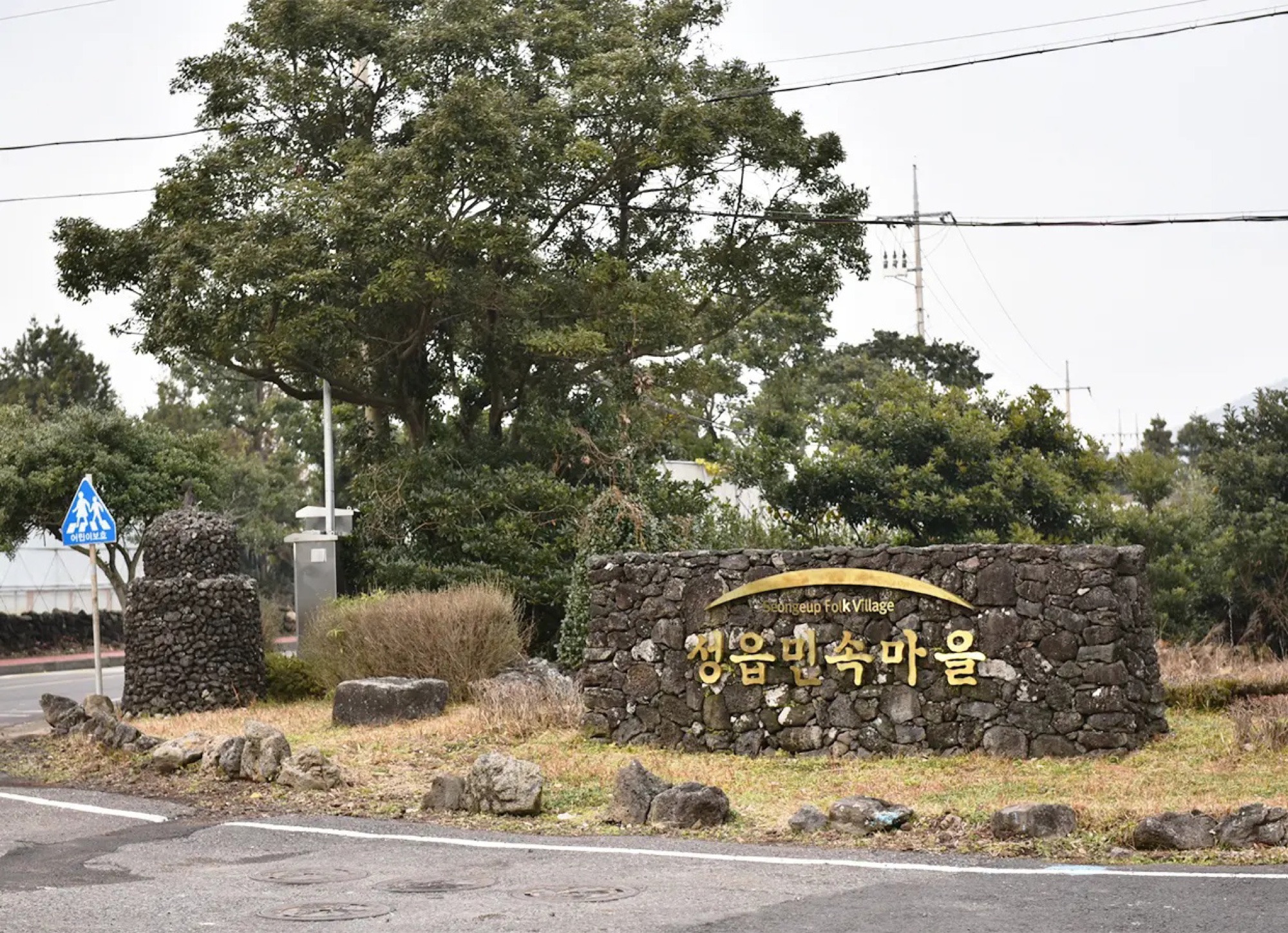
Seongeup Folk Village (성읍민속마을)
Timeline
- 1423
The Jeongui-hyeon government offices moved here from Goseong-ri, Seongsan-eup, and the fortress walls were built in just five days.
- Joseon
For some 500 years after, it remained the center of Jeongui-hyeon, with the guesthouse, magistrate's office and Confucian school at the heart of the village.
- Modern era
When administrative districts changed in the 1910s, it gave up its role as the county seat and became the seat of Pyoseon-myeon.
- 1984
The entire village was designated a National Folklore Cultural Heritage site.
- Today
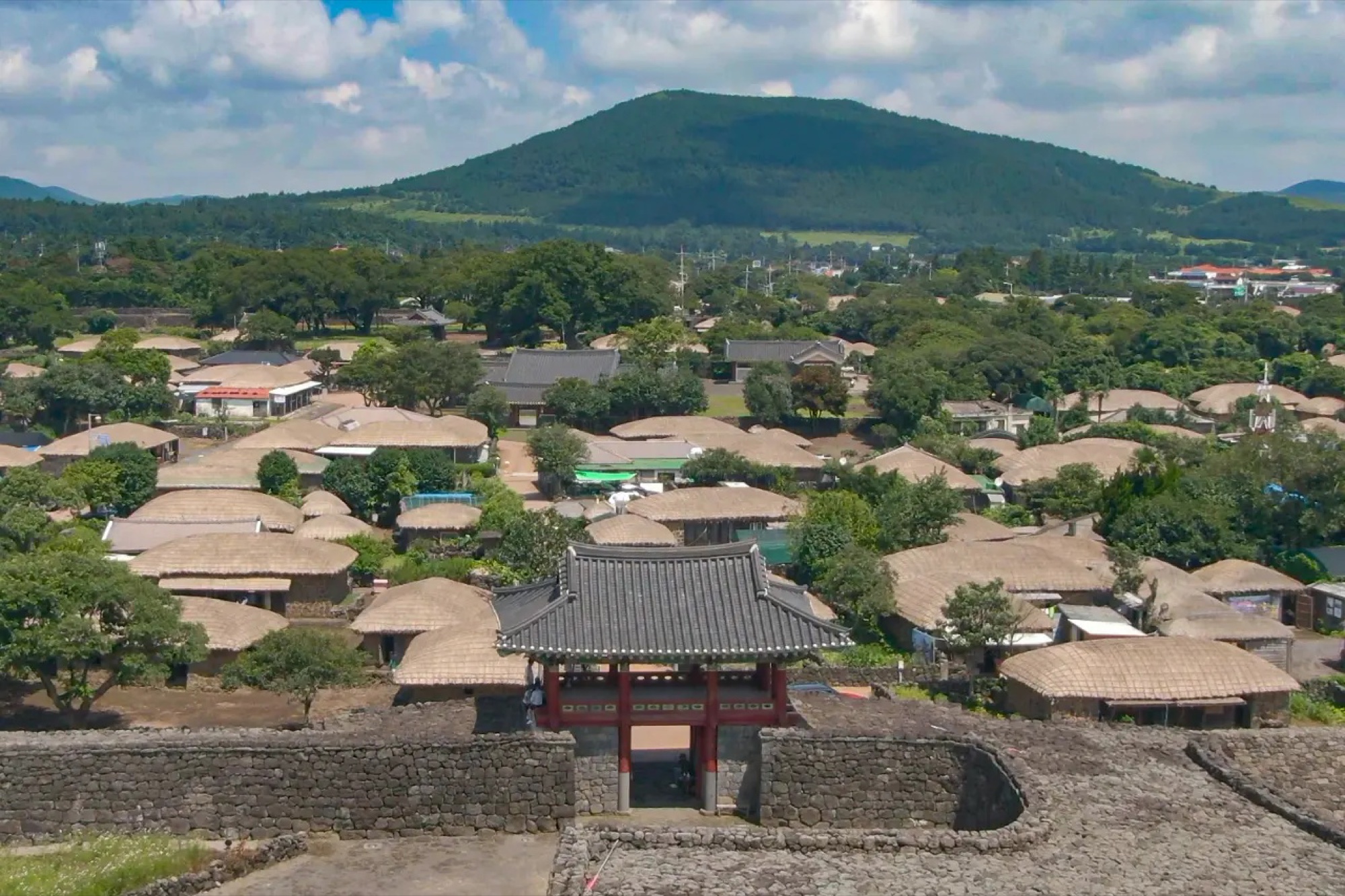
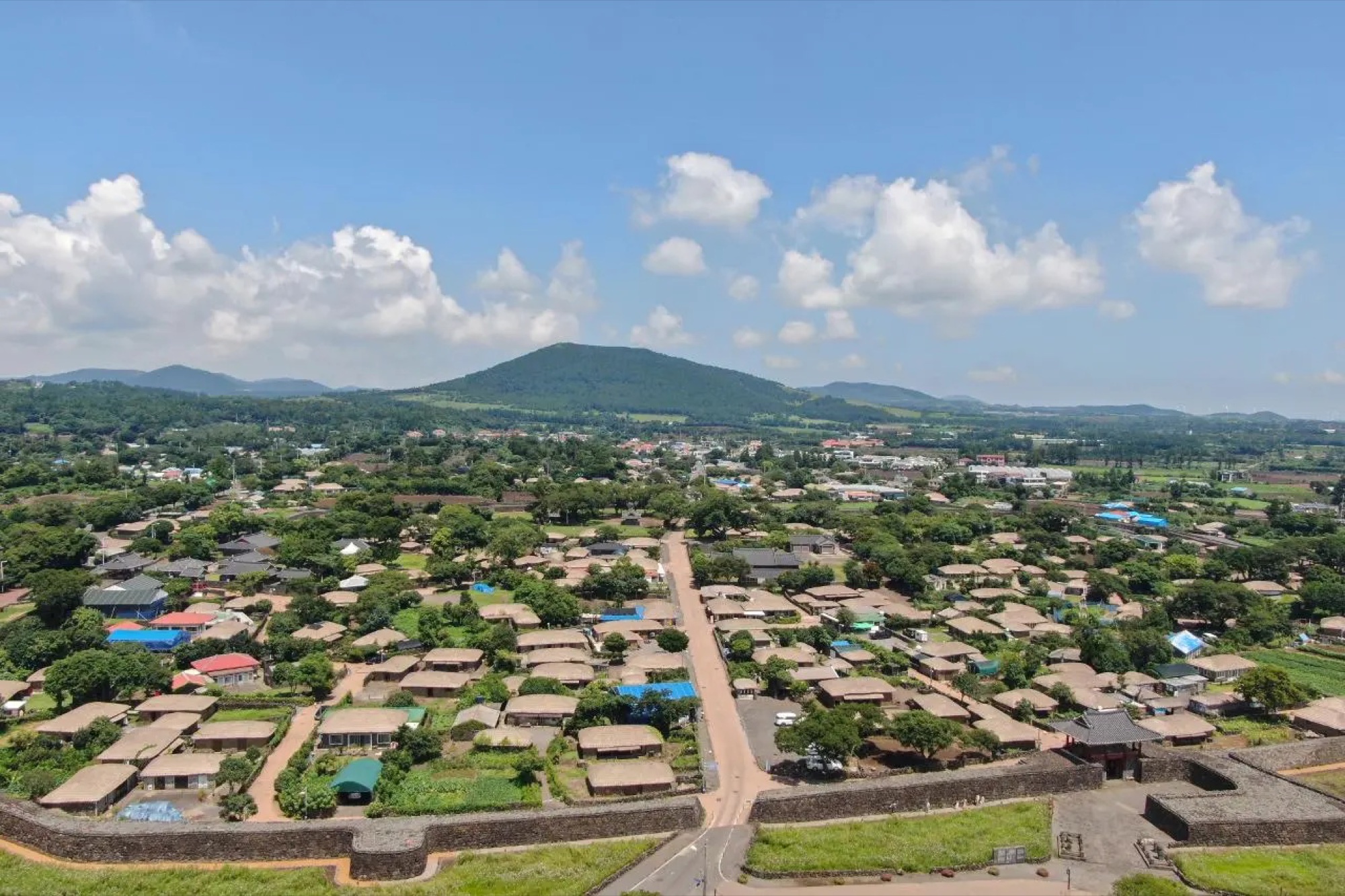
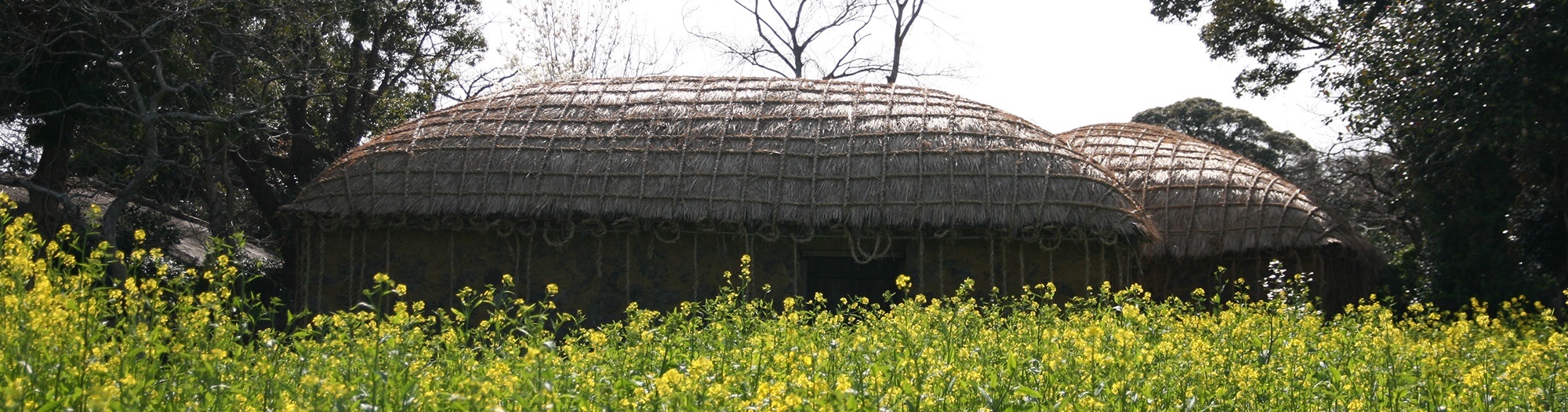
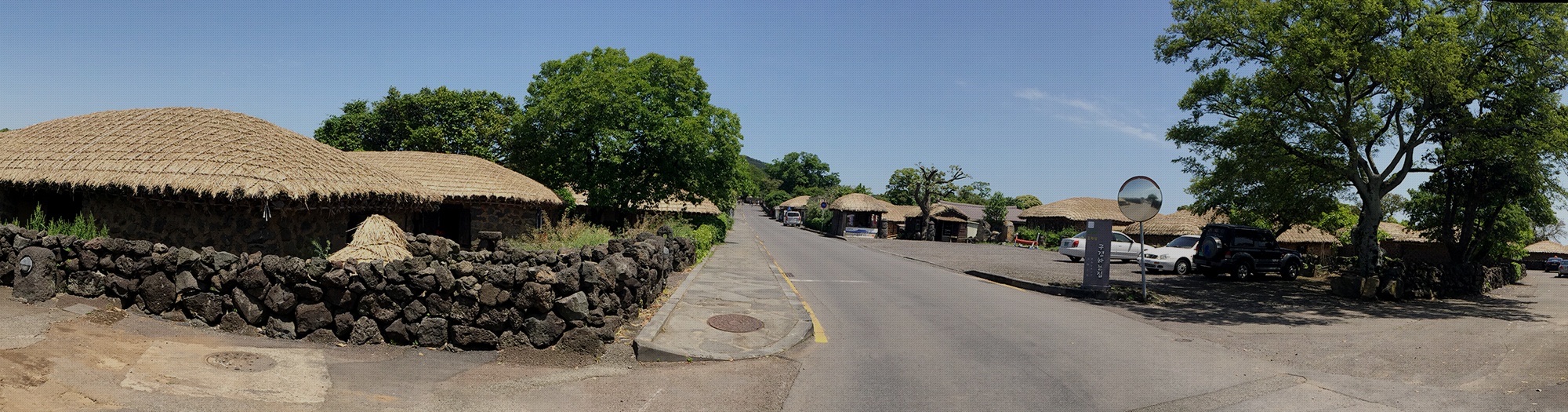
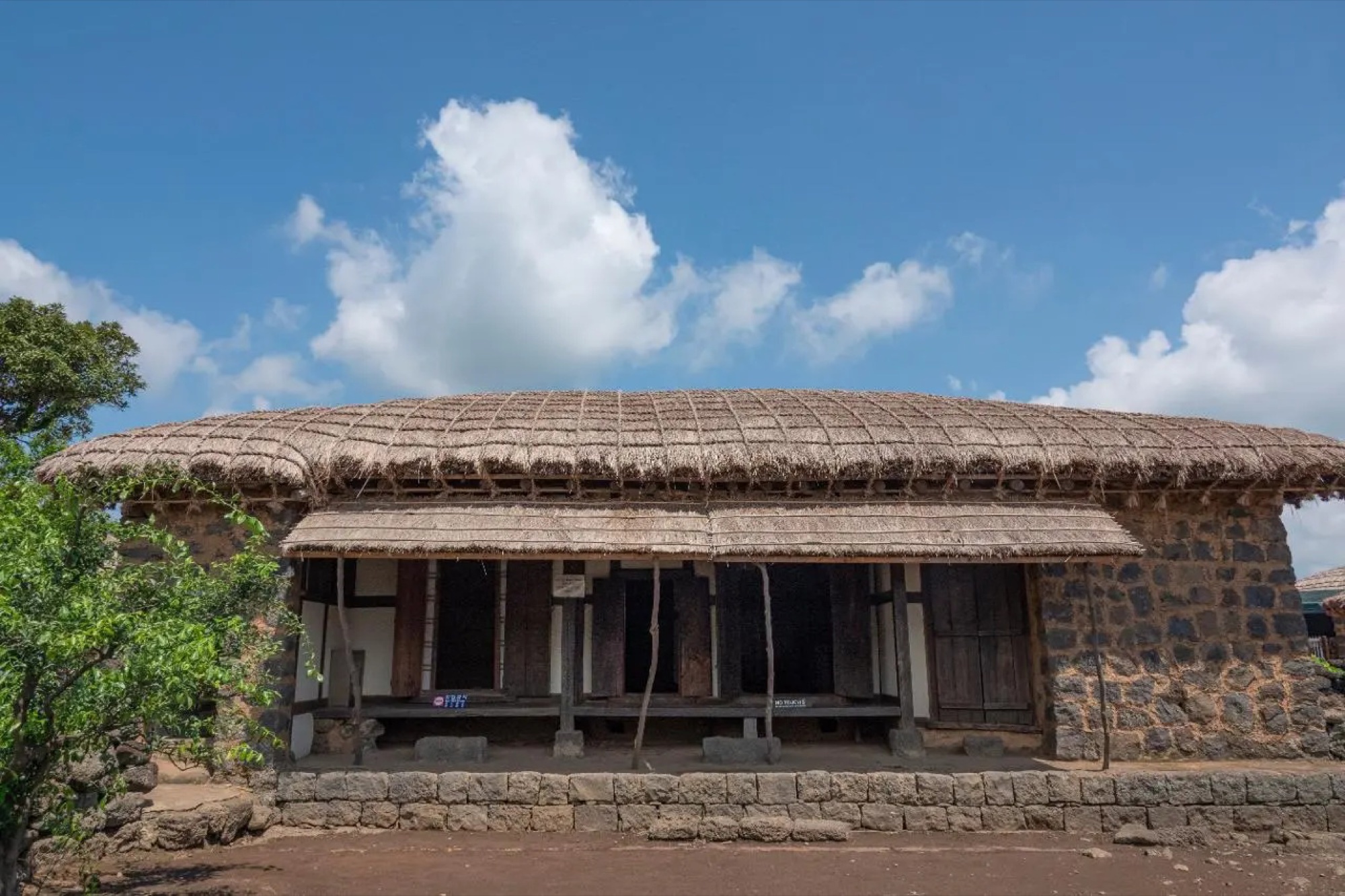
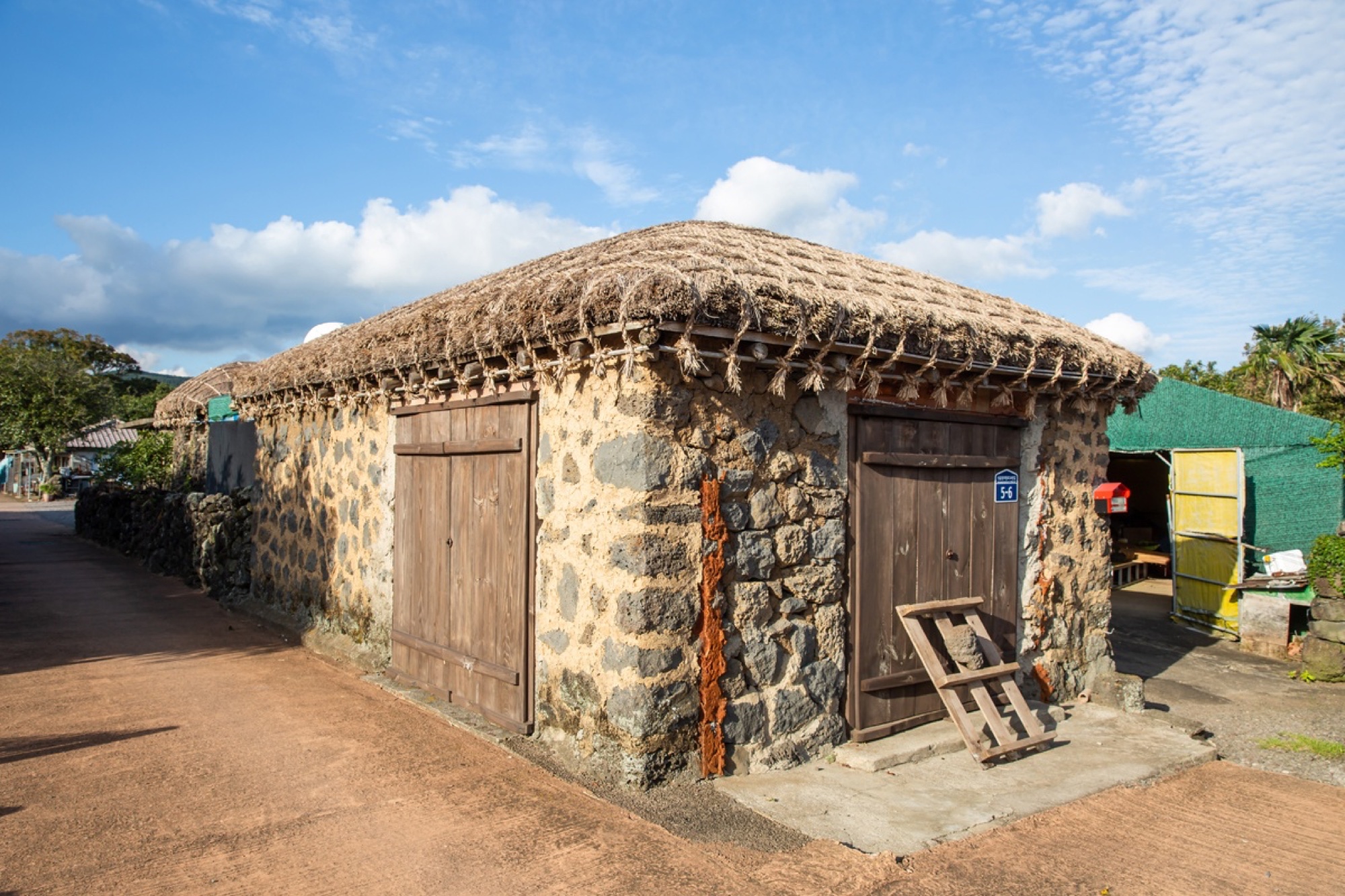
What you see now — a village with restored walls and government buildings, where residents still live in thatched-roof houses.
Before you go in
Seongeup Village is a place where residents really live, so only enter places with an Information Board.
Even if a gate is open, don't step into the yard of a house without a sign; look quietly from outside the wall.
Ask permission first before taking photos that show residents or the inside of a home.
If you bring a dog, keep it on a leash and always clean up after it.
- Hours
- Visiting hours None set (before sunset)
- Admission
- No admission fee
- Parking
- 1 lot
- Location
- 30 Seongeupjeonguihyeon-ro, Seongeup-ri, Pyoseon-myeon, Seogwipo-si, Jeju
- Website
- Official website
- Phone
- 064-710-6797
- Checked
- 11/2026 · Official website (Jeju Seongeup Village, Jeju-do World Heritage Headquarters)
Story
A walled village that was the center of Jeongui-hyeon for some 500 years during the Joseon era, where residents still actually live in thatched-roof houses. Along the stone-wall lanes, the guesthouse, the magistrate's office, the Confucian school and old homes follow one after another, so you can see what an old Jeju walled town looked like all in one place. The whole village is a National Folklore Cultural Heritage site, so it's best explored slowly, as if on a stroll.
Don't miss
- 1
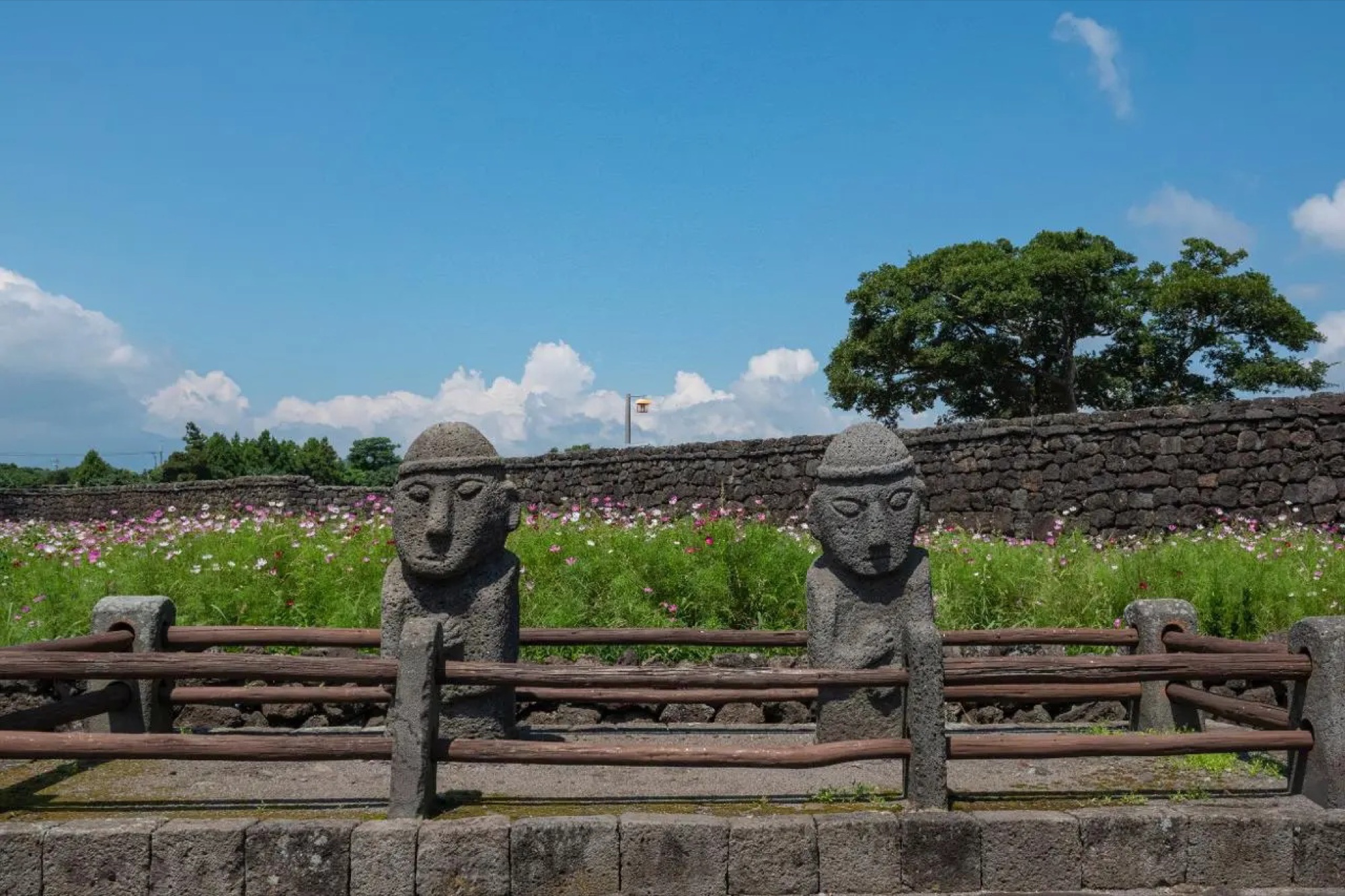
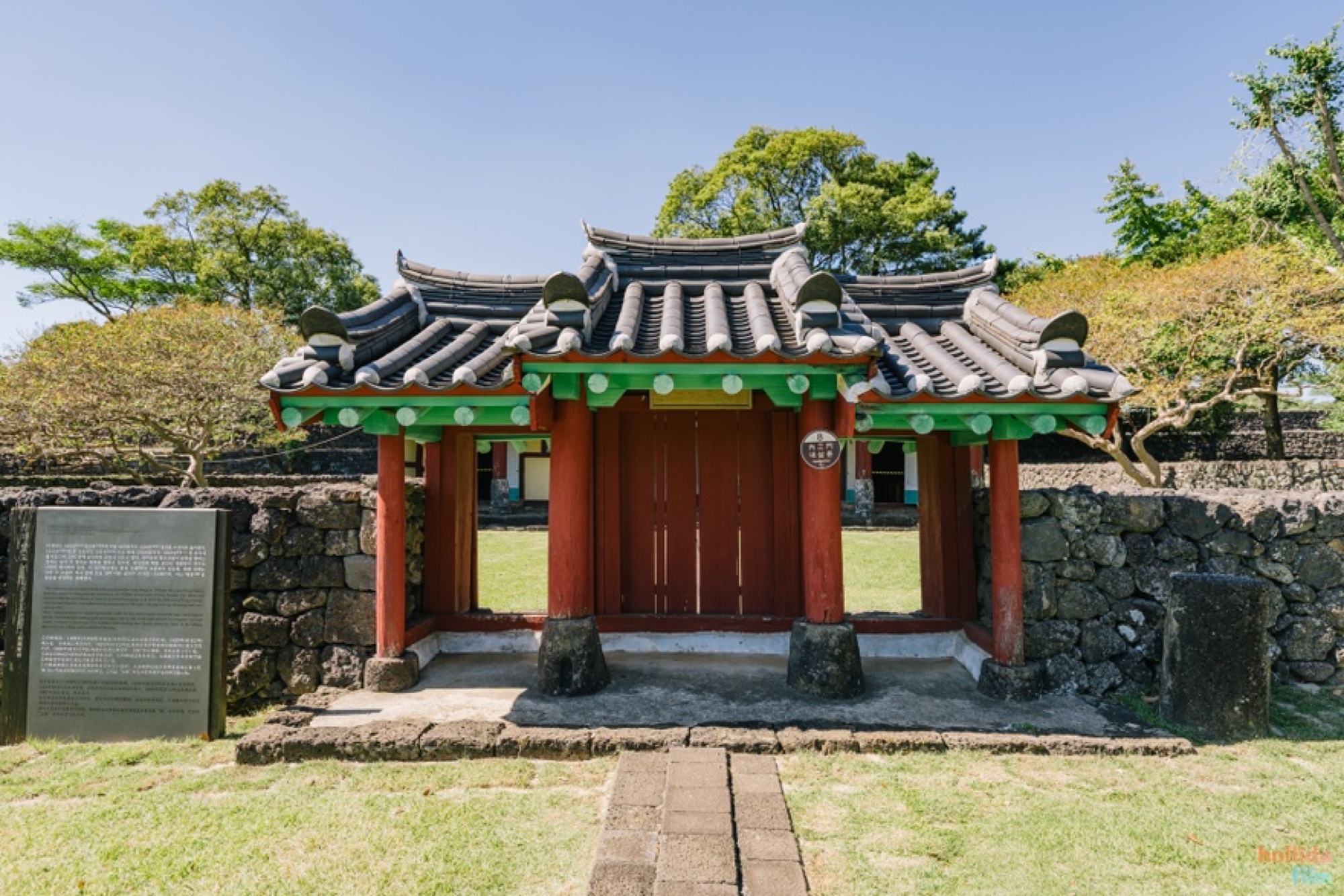
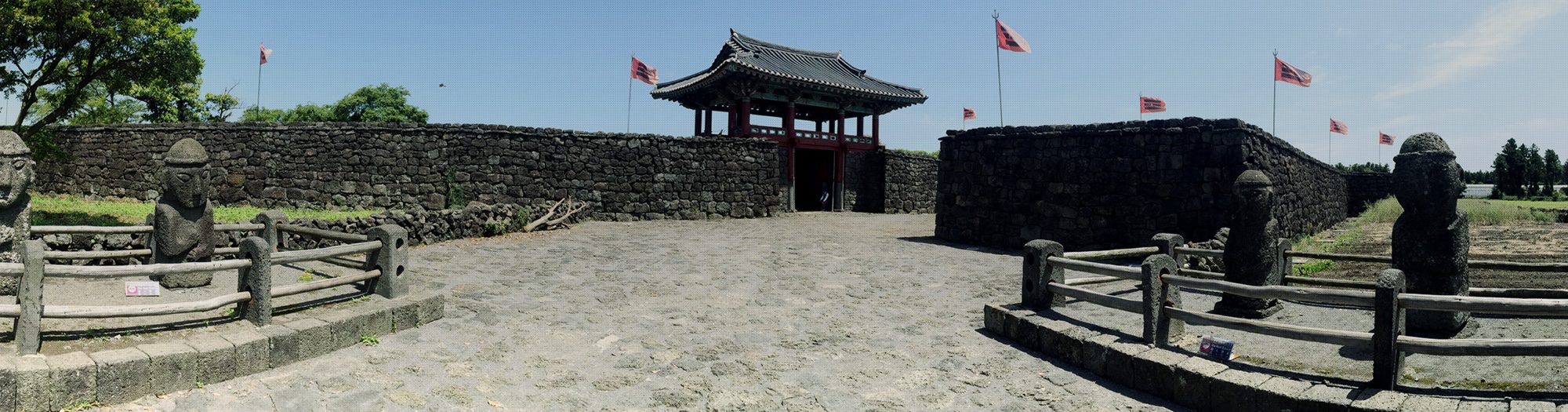
South Gate & Dol Hareubang
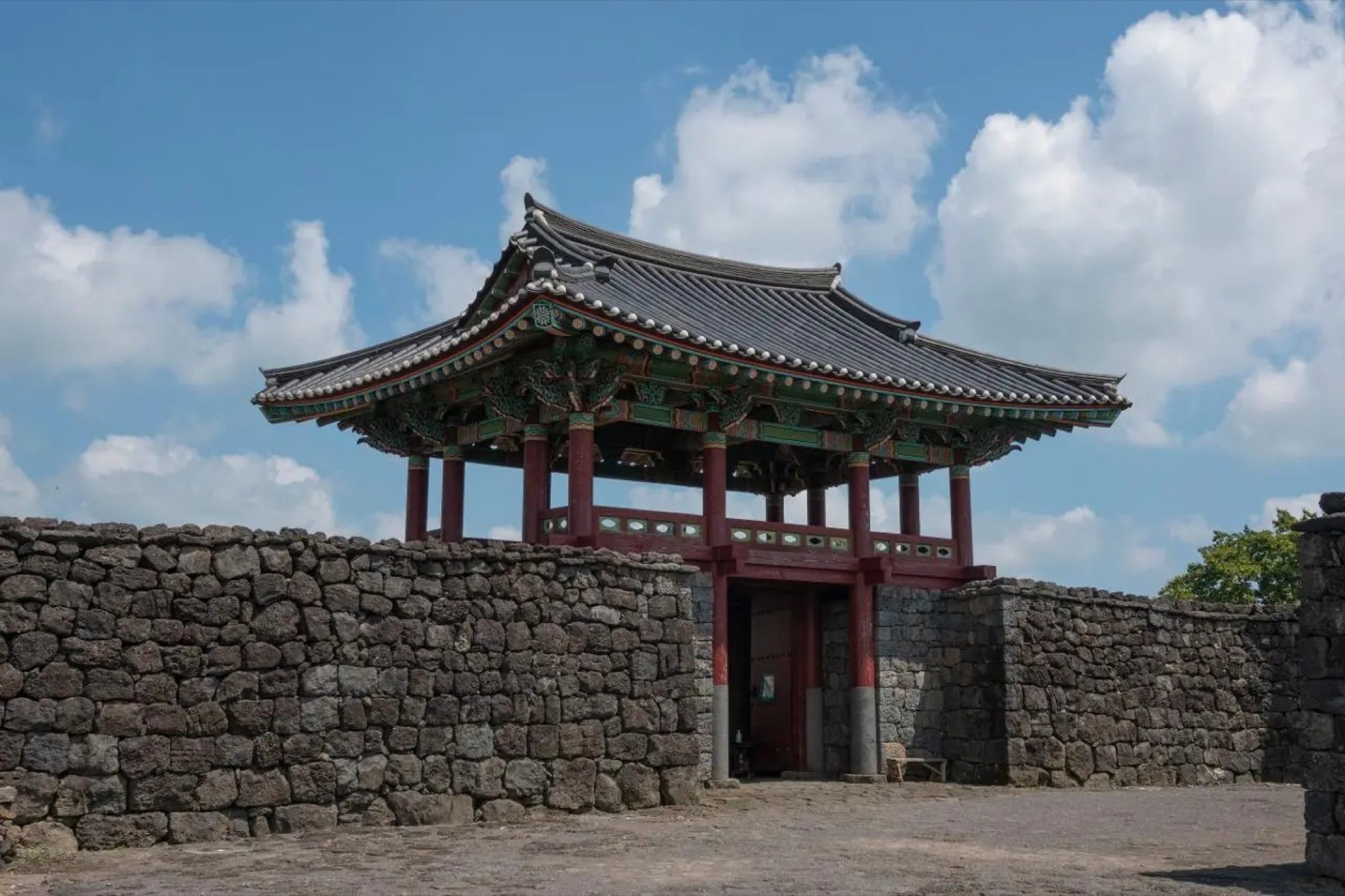
The South Gate of Jeongui-hyeon Fortress, with a gate tower rising above the stone walls. The dol hareubang (stone grandfathers) guarding the gate give the village its first impression.
Photo · 제주 성읍마을(제주특별자치도 세계유산본부)
- 2
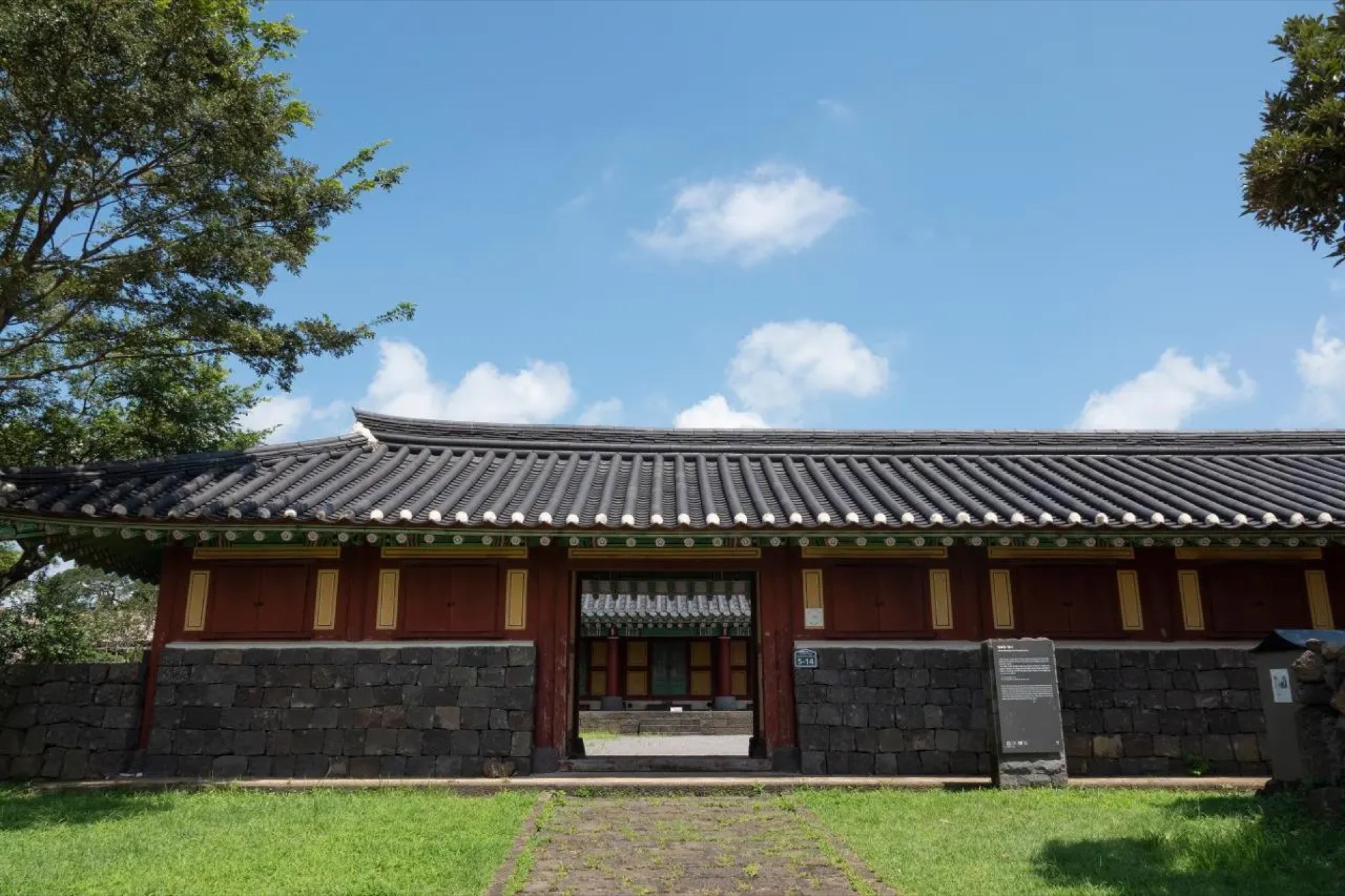
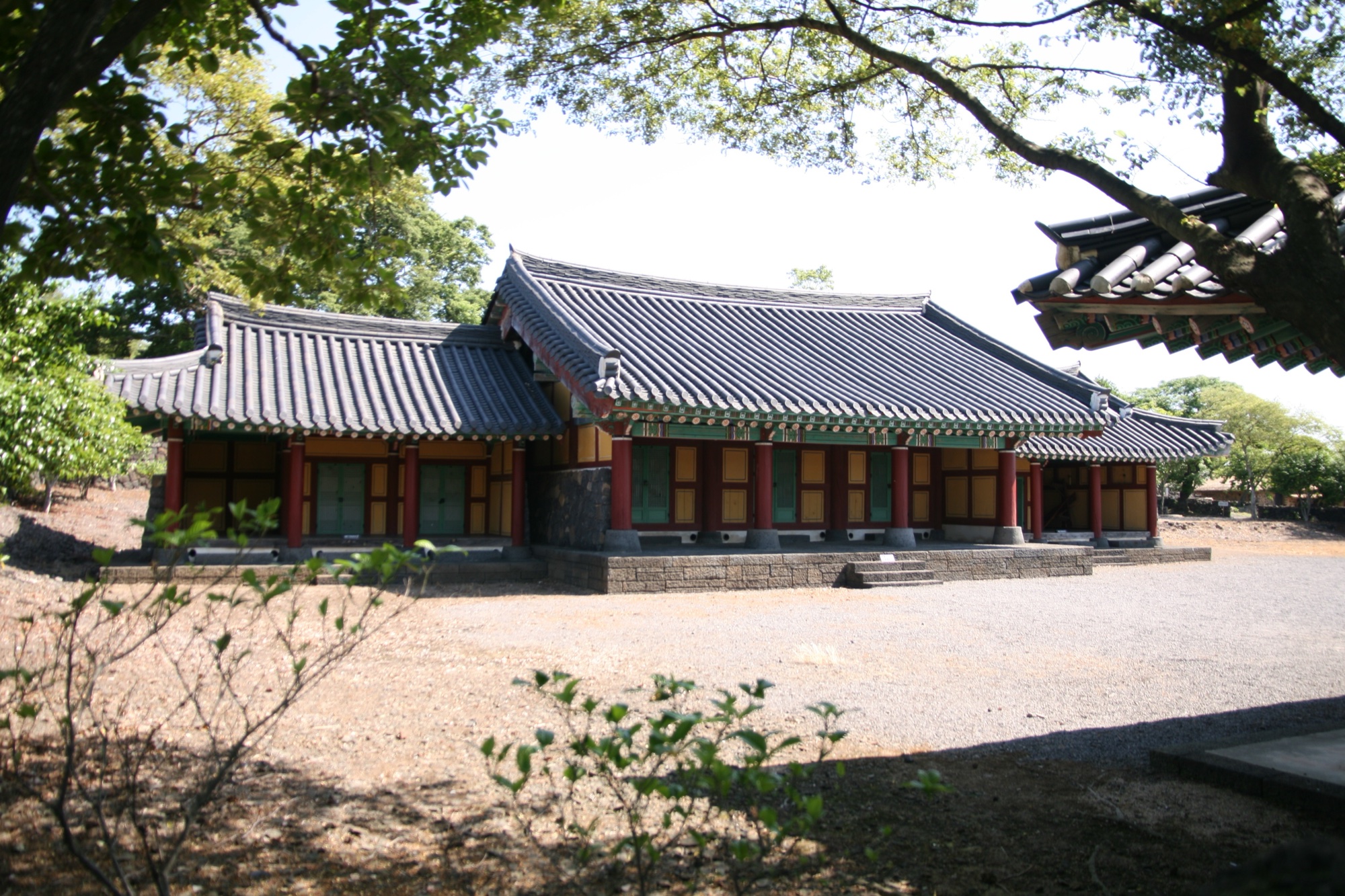
Jeongui-hyeon Guesthouse
The site of the old guesthouse where officials stayed and the jeonpae tablet symbolizing the king was enshrined. Its long tiled roof and wide courtyard are striking.
Photo · 제주 성읍마을(제주특별자치도 세계유산본부)
- 3
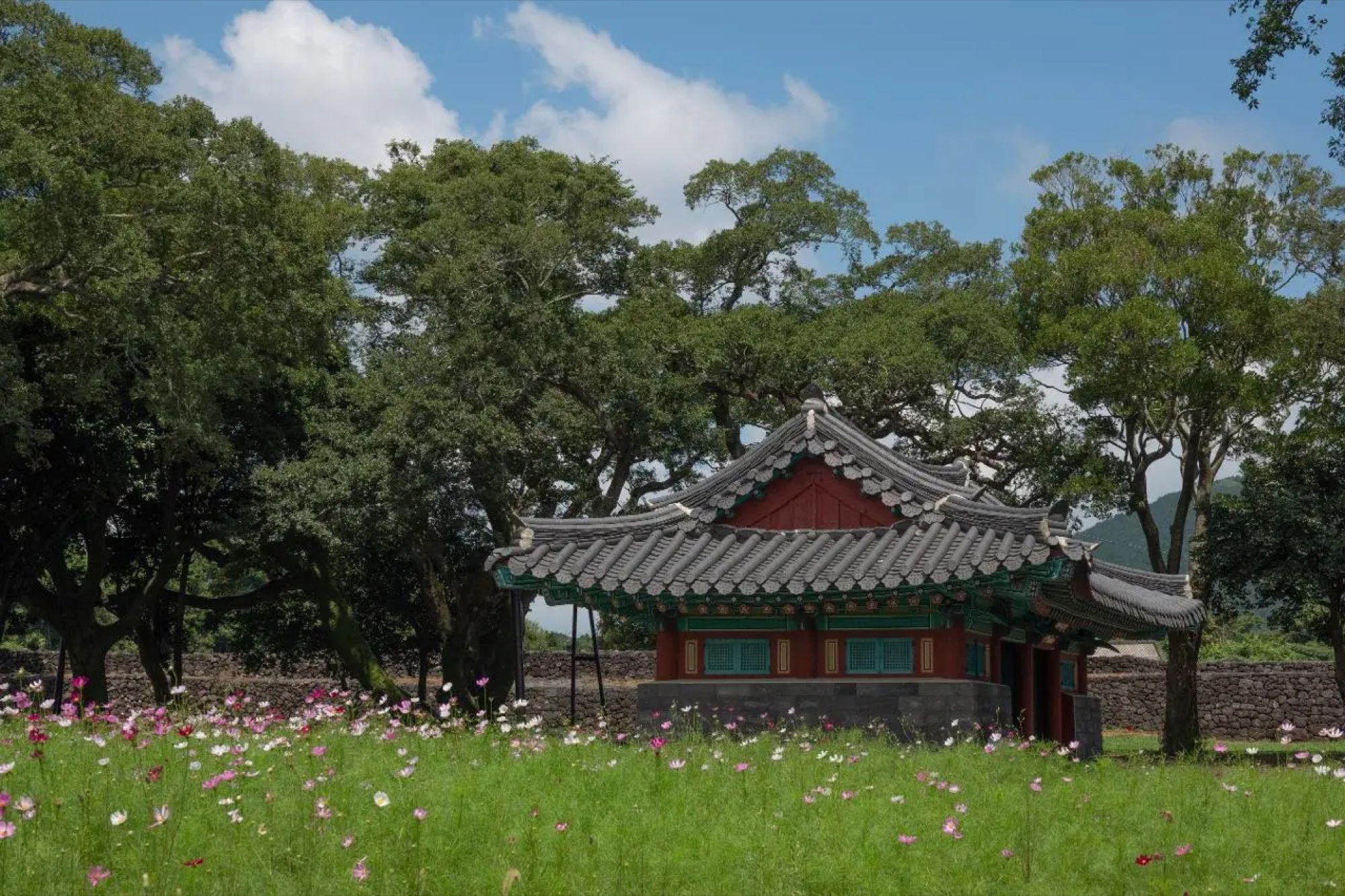
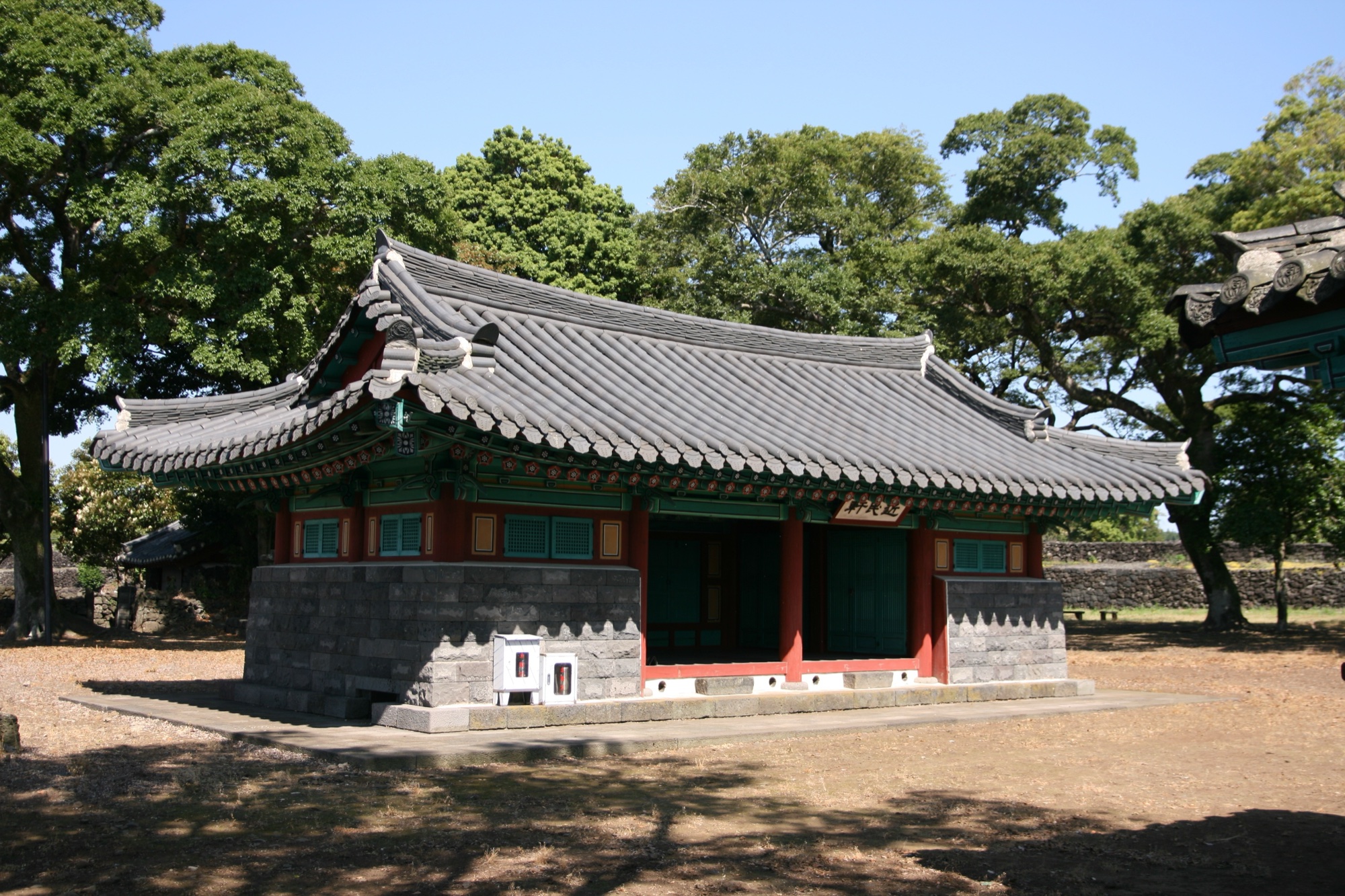
Geunminheon (Jeongui-hyeon Magistrate's Office)
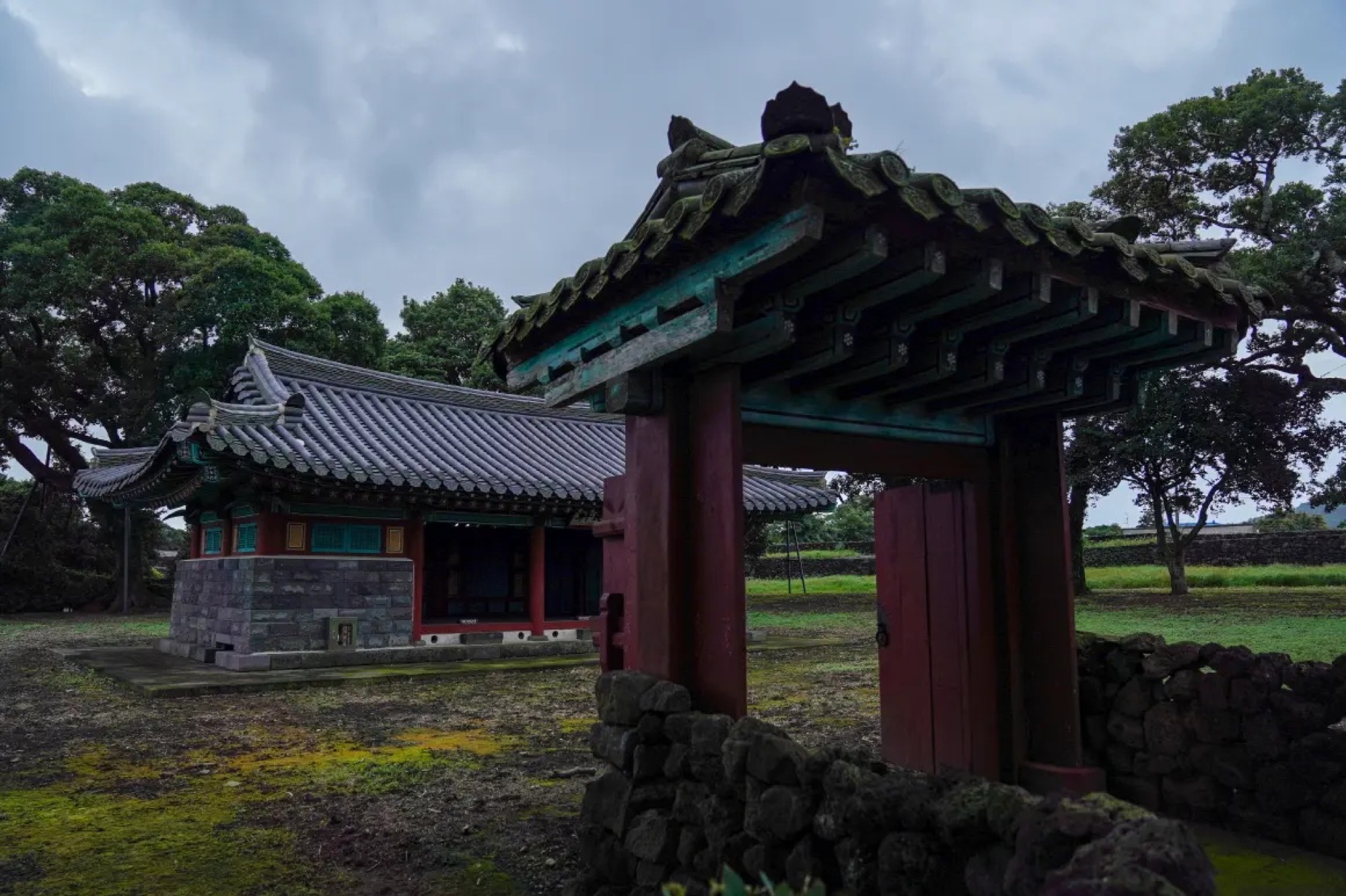
The office where the magistrate of Jeongui-hyeon handled government affairs, much like a city hall today. A tiled building on a stone platform surrounded by big trees.
Photo · 제주 성읍마을(제주특별자치도 세계유산본부)
- 4
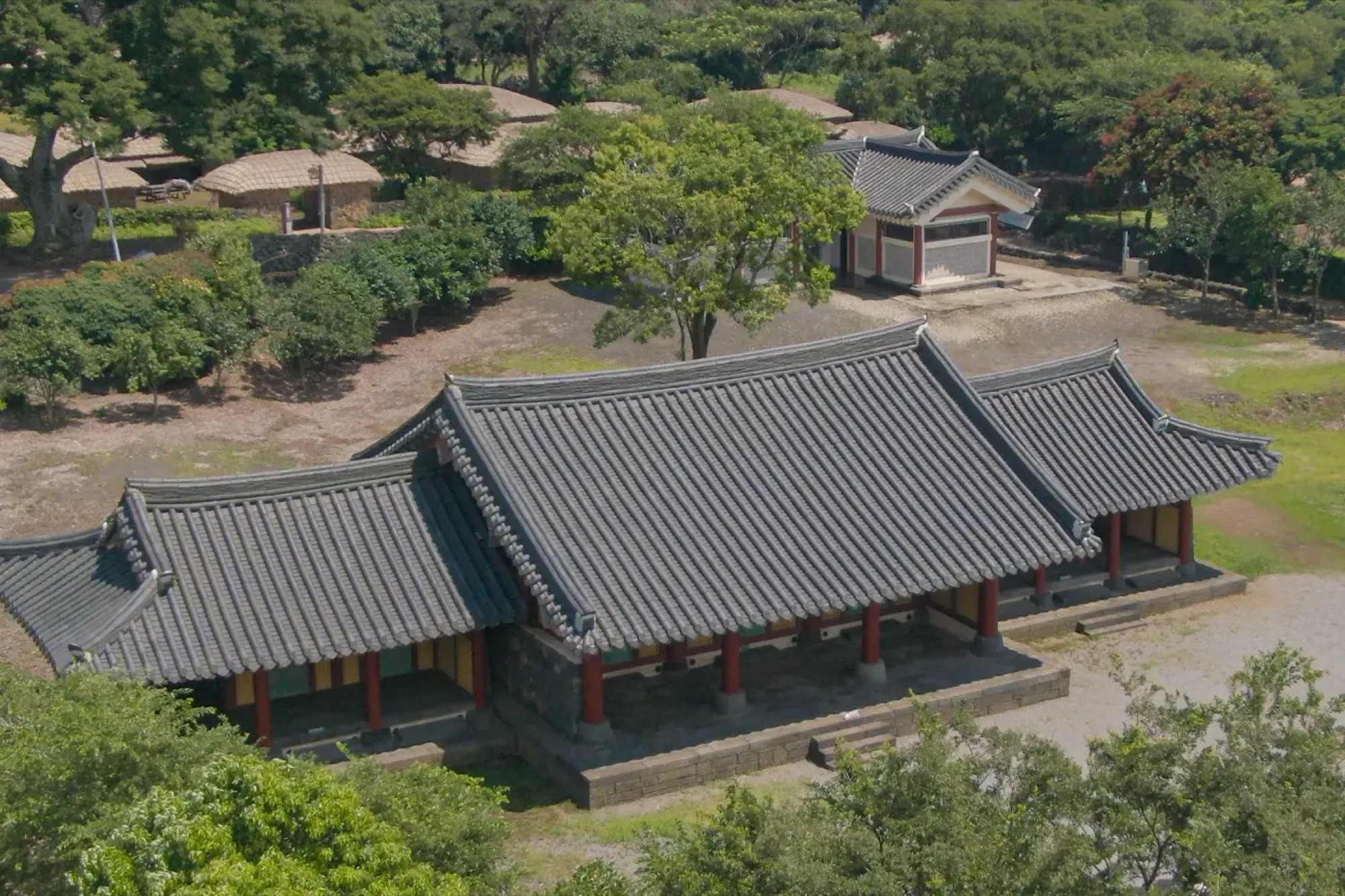
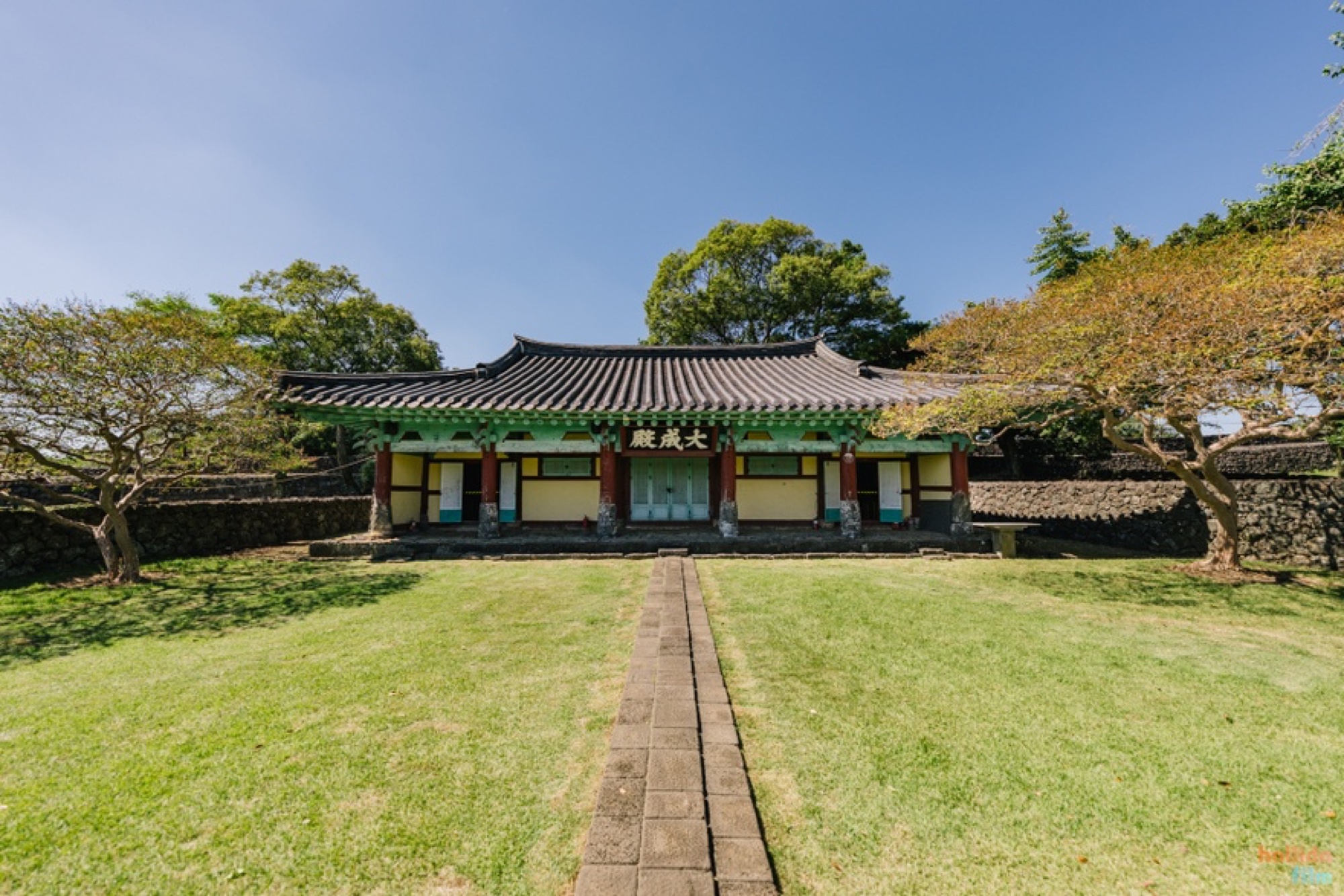
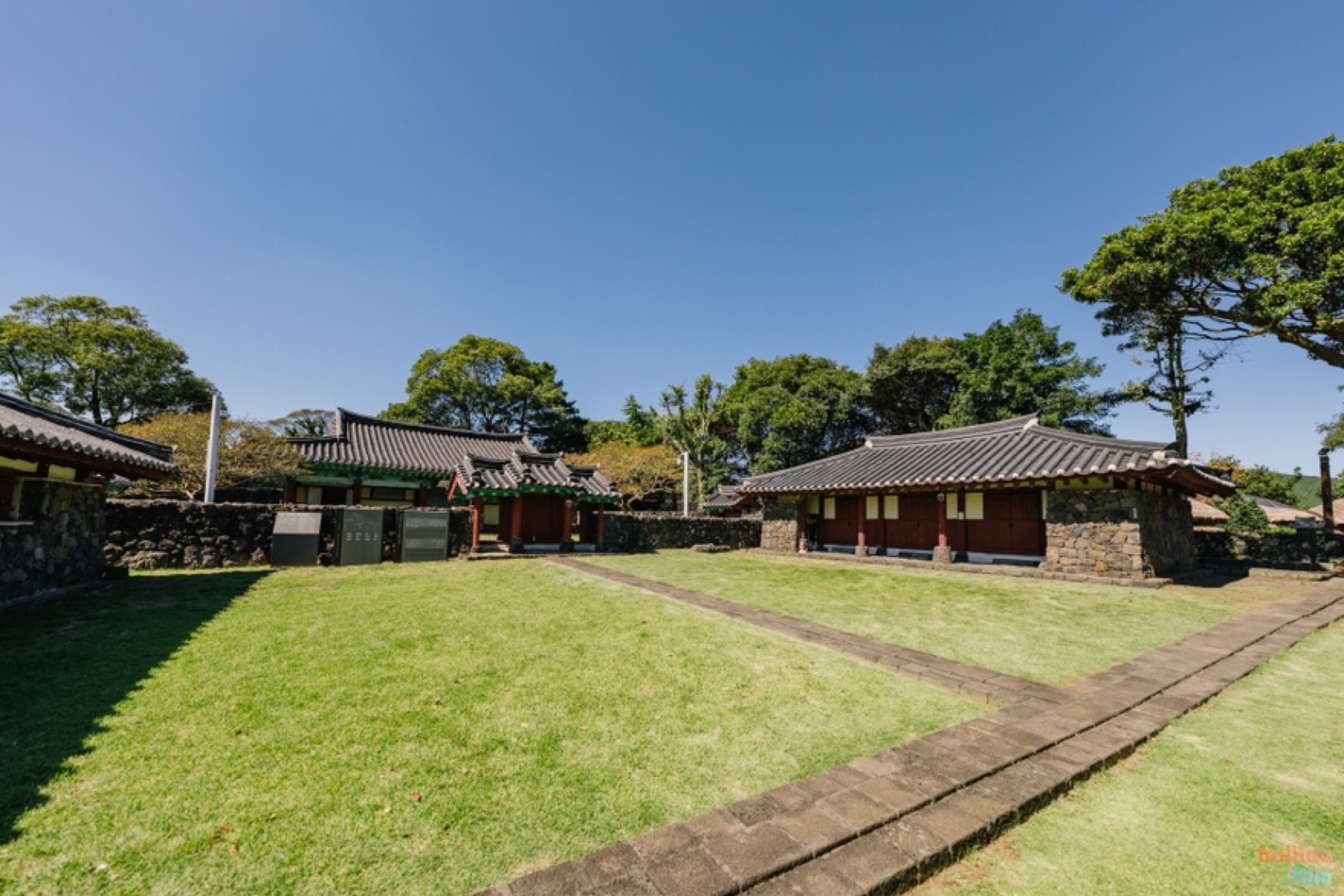
Jeongui Hyanggyo
A hyanggyo, a local school of the Joseon era. Daeseongjeon and Myeongnyundang sit calmly within a wide lawn courtyard.
Photo · 제주국가유산탐험 (네이버 블로그 htaed)
- 5
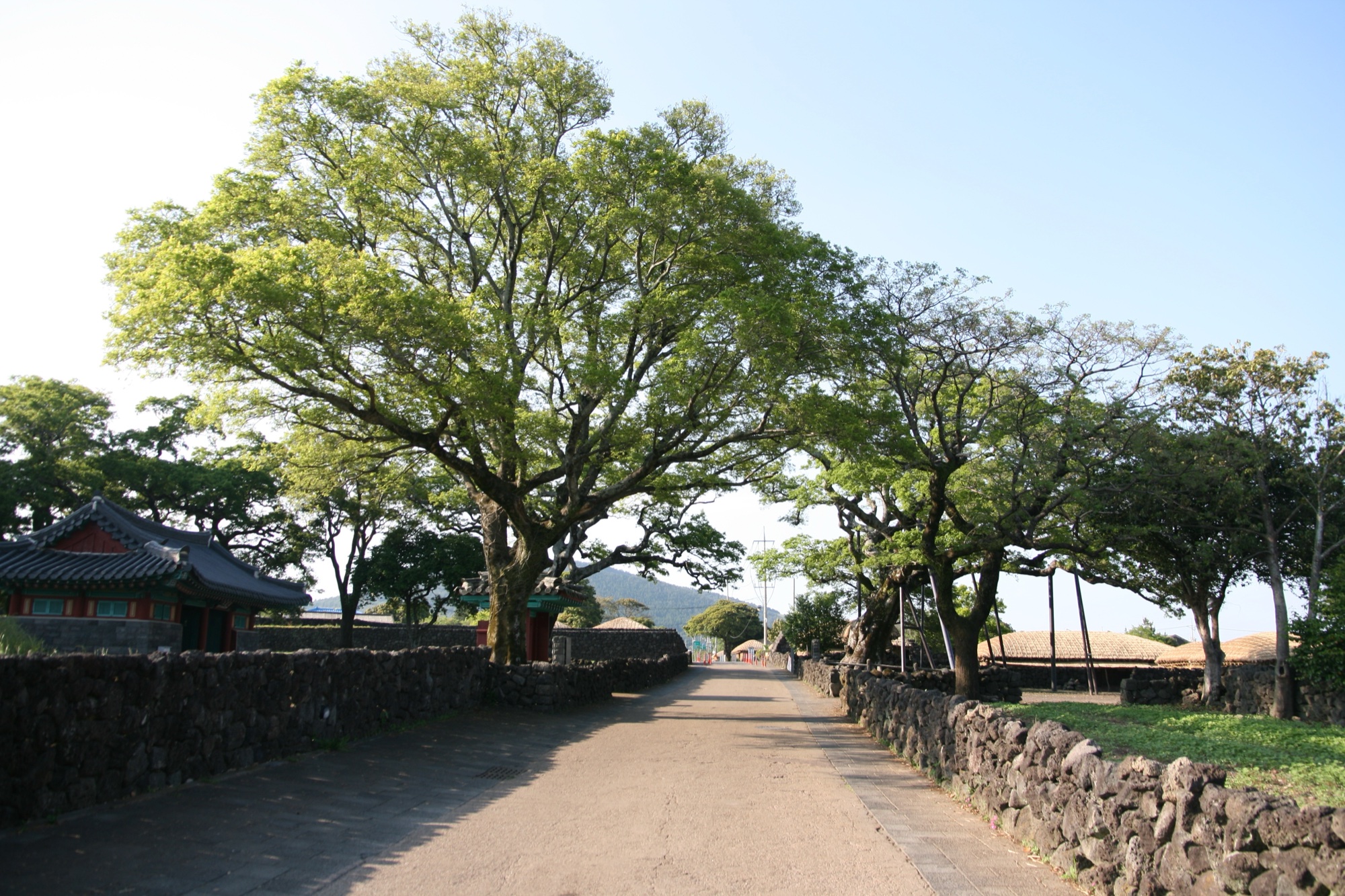
Zelkova & Hackberry Trees
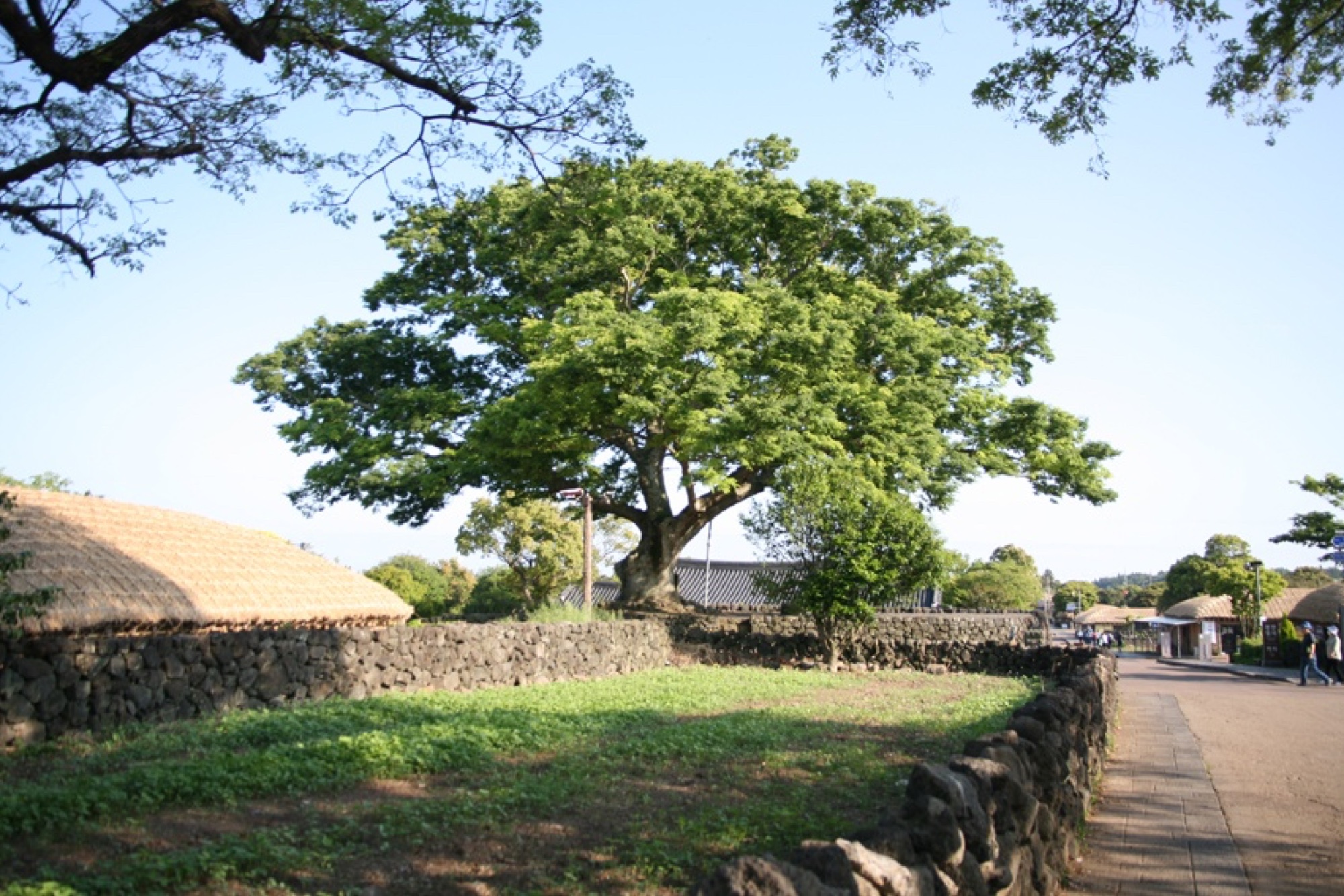
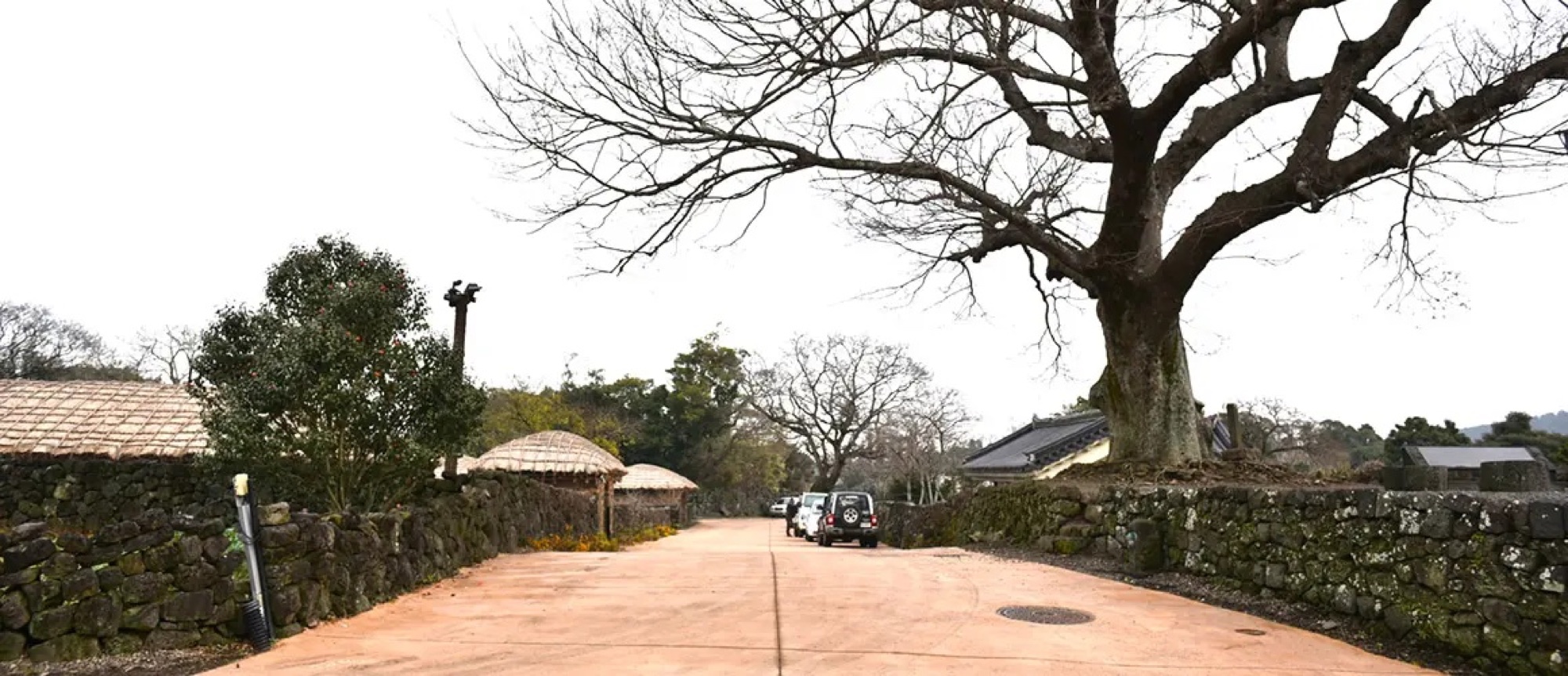
One zelkova and three hackberry trees standing beside Geunminheon, old trees designated as natural heritage. The zelkova is said to be about 1,000 years old.
Photo · 제주 성읍마을(제주특별자치도 세계유산본부)
- 6
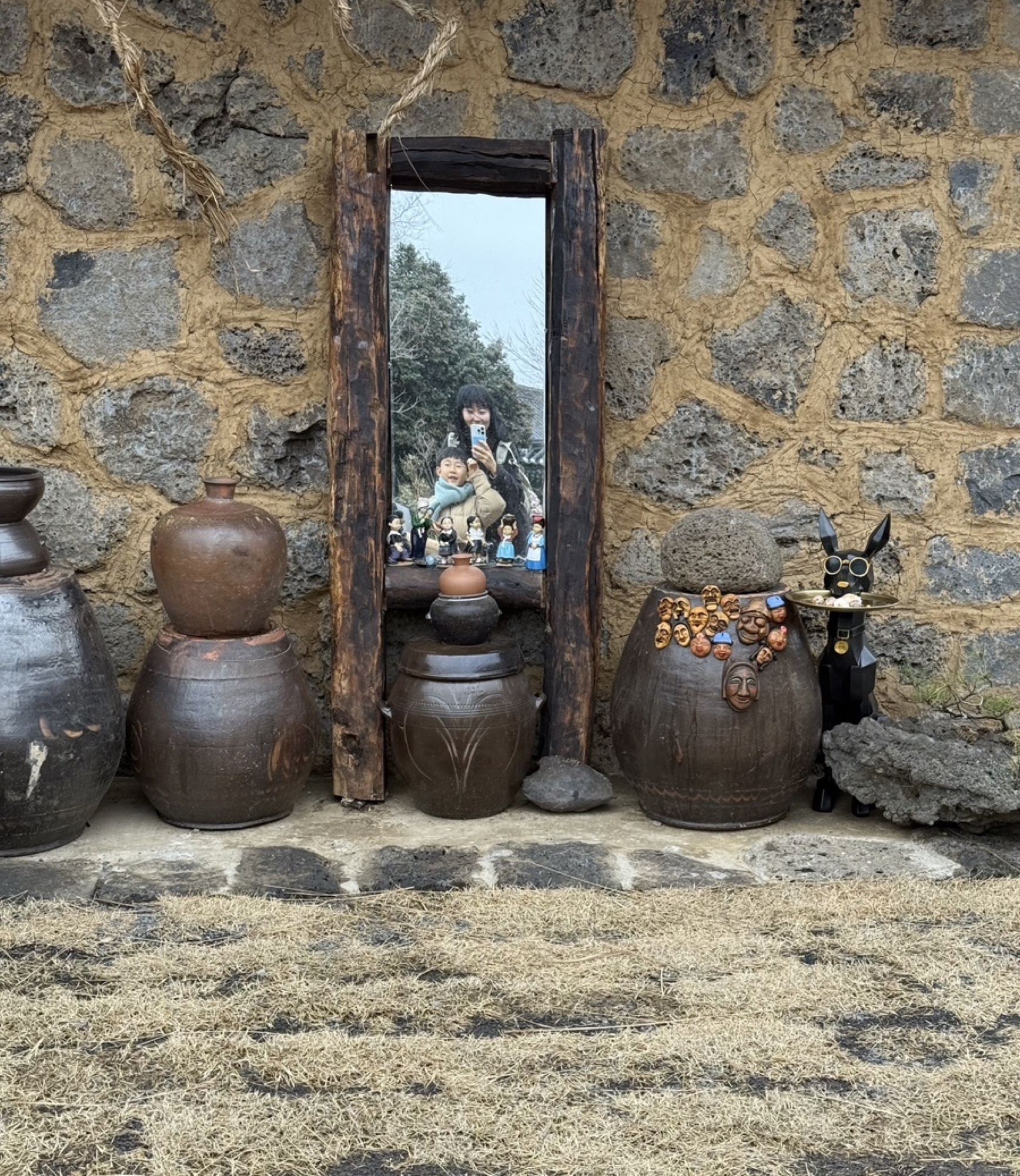
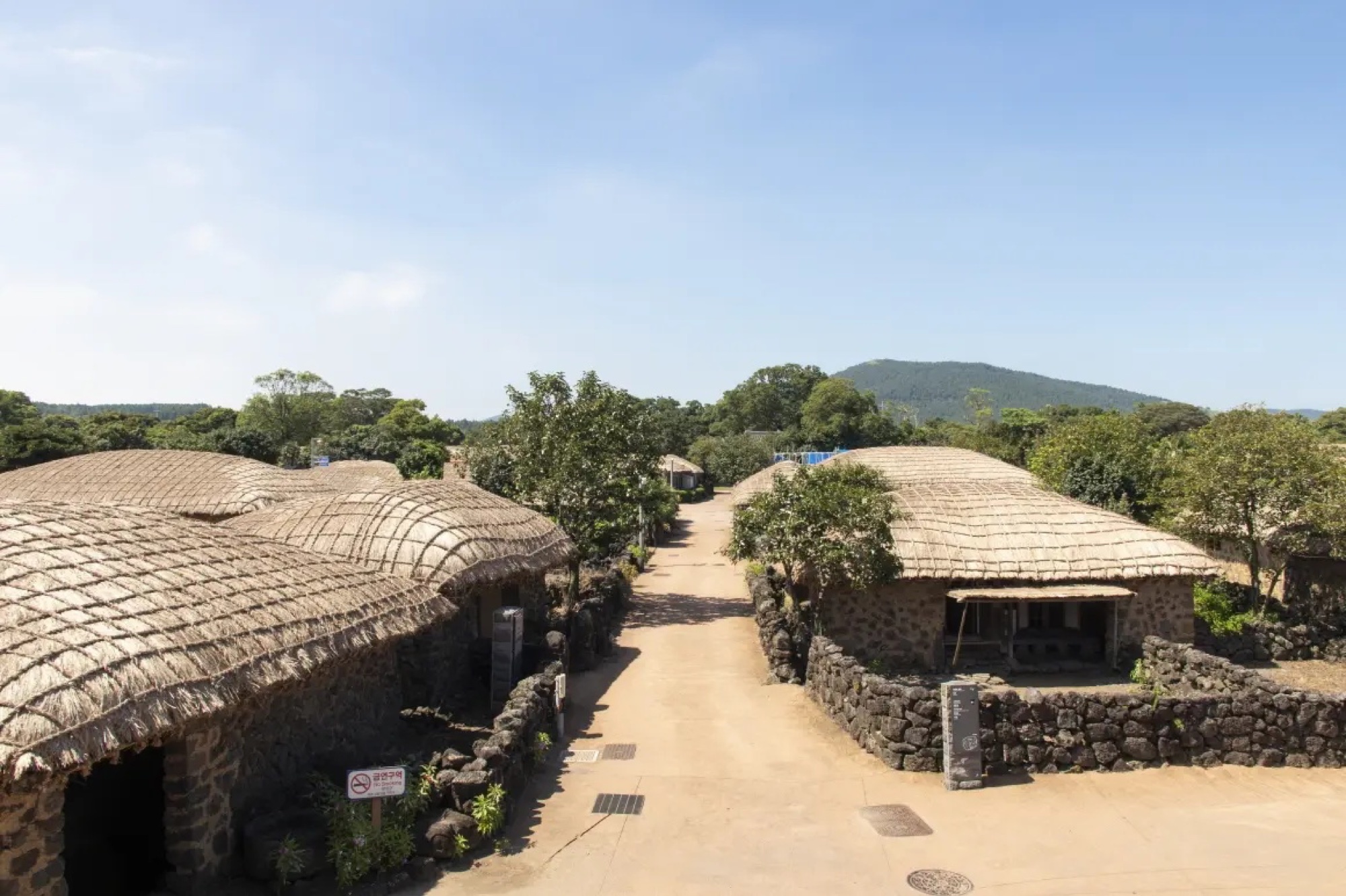
Thatched Alleys & Old Homes
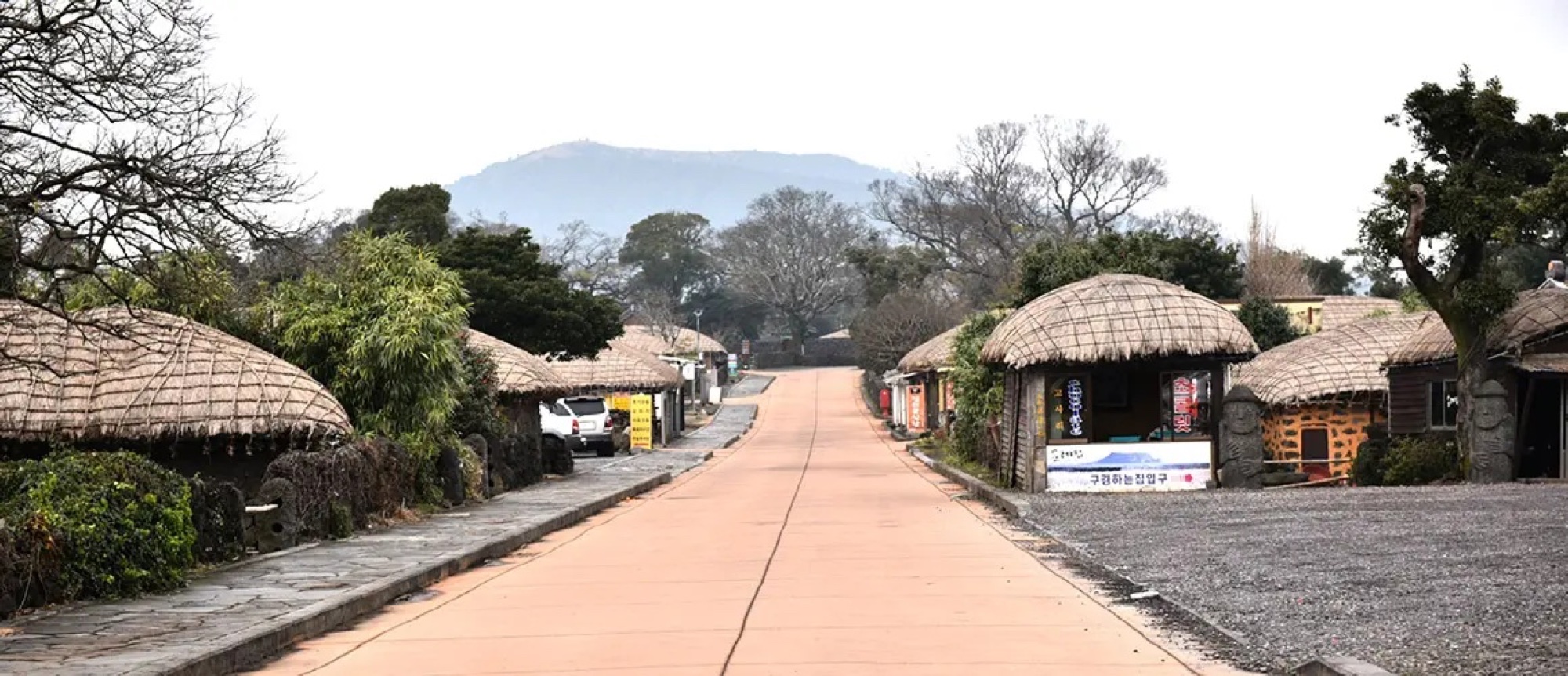
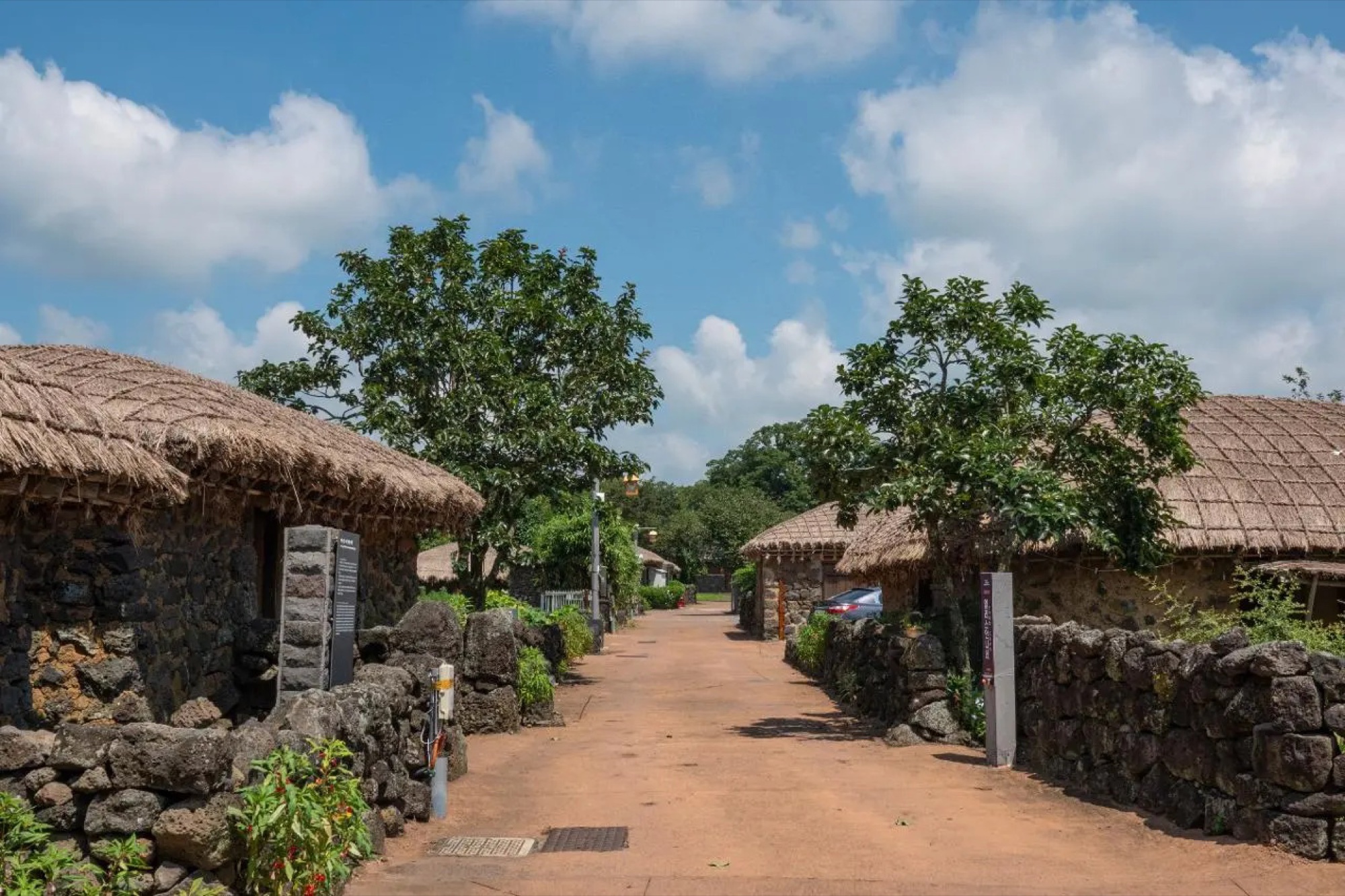
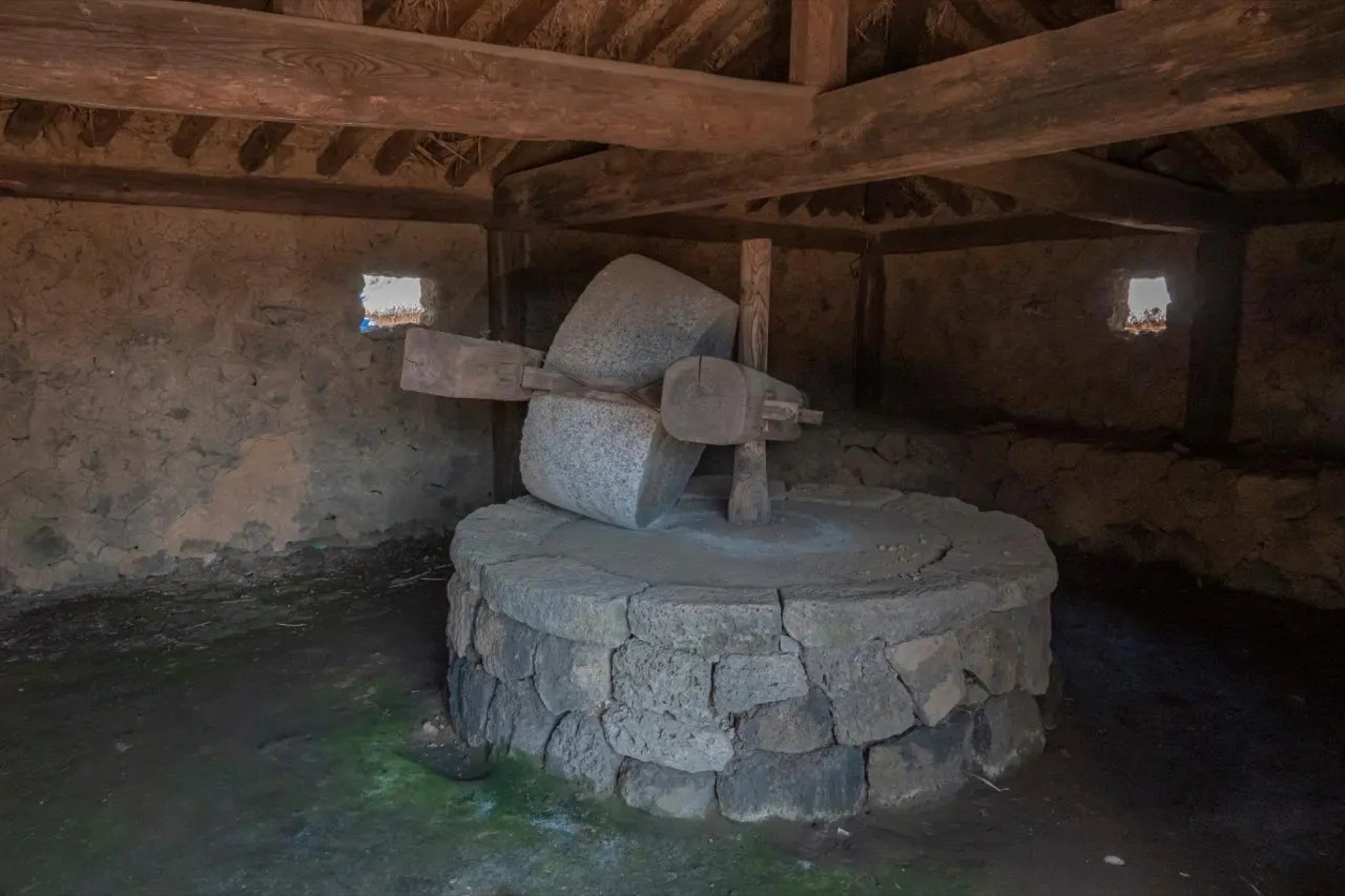
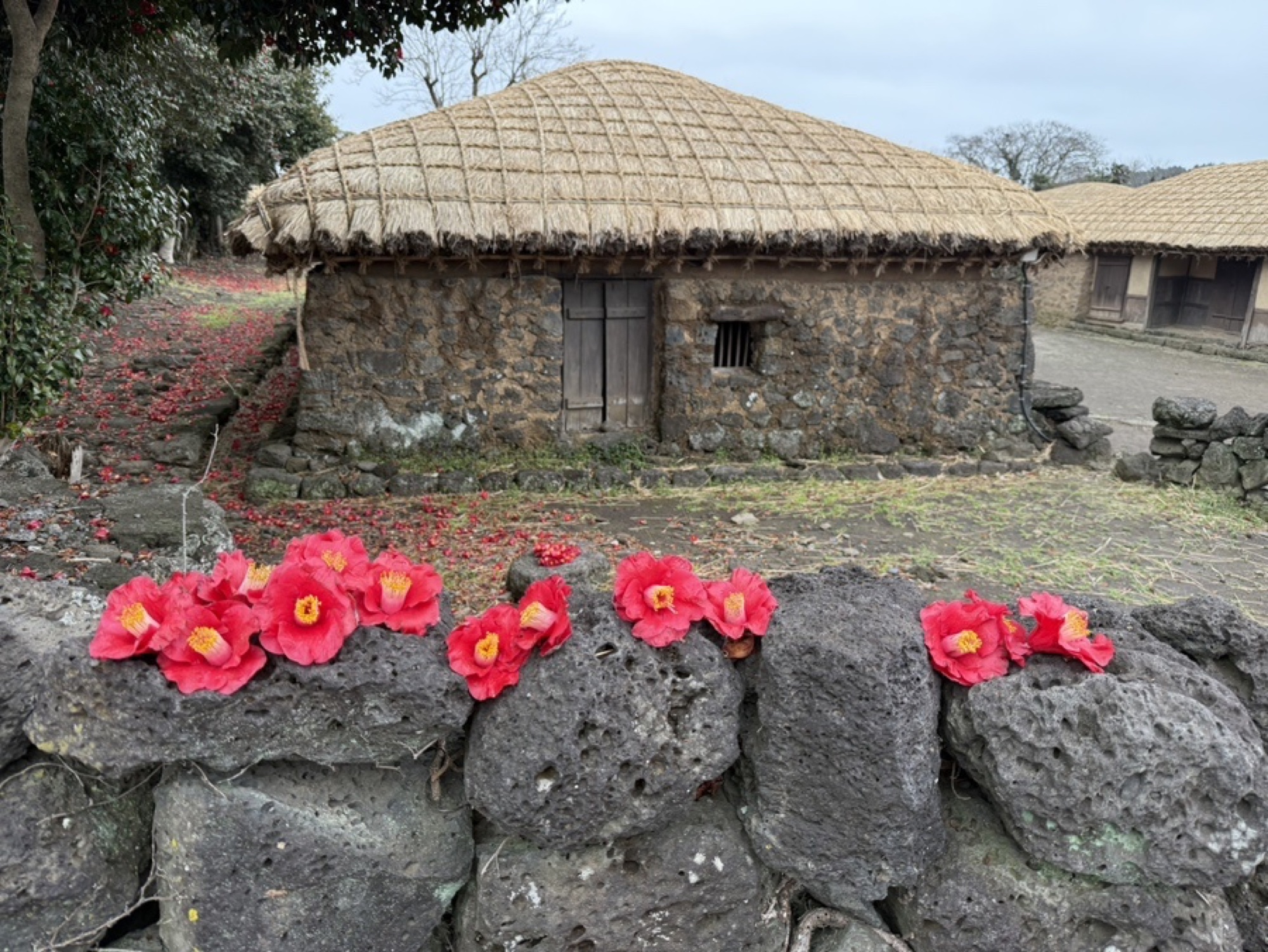
Houses designated as National Folklore Cultural Heritage, such as the old inn, the Go Pyeong-o House and the blacksmith's house, line the stone-wall alleys. Only enter places with an Information Board.
Photo · 비짓제주(제주관광공사)
Explore
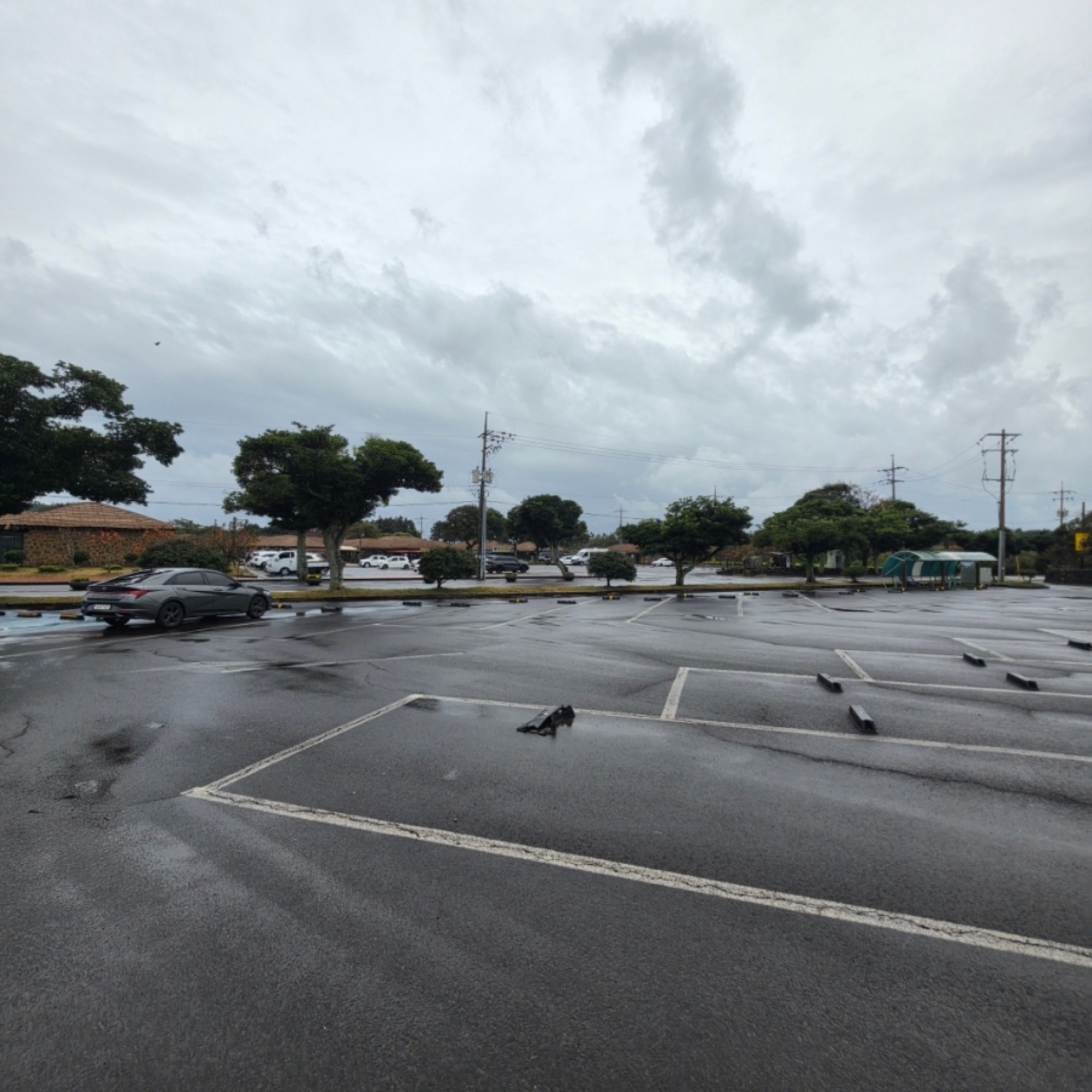
Seongeup Folk Village Public Parking Lot
A Public Parking Lot right in front of the South Gate. Start exploring by walking in through the South Gate from here.
Photo · 이모작 (네이버 블로그 emo_jomo, 필명 피쀼)
Good to know before you go
Leave your car at the Public Parking Lot in front of the South Gate and enter from there, and it's easy to follow the courses on the village map. The quick course takes 30 minutes, the full course about 50 minutes.
Listening to a guide makes it much clearer what the guesthouse and Geunminheon once were. Apply on site or book ahead by phone.
Look toward Geunminheon from under the zelkova tree and the tree's shade and the tiled roofs fit into one frame. In the thatched-house alleys, spots where rooflines run on beyond the stone walls make good photos.
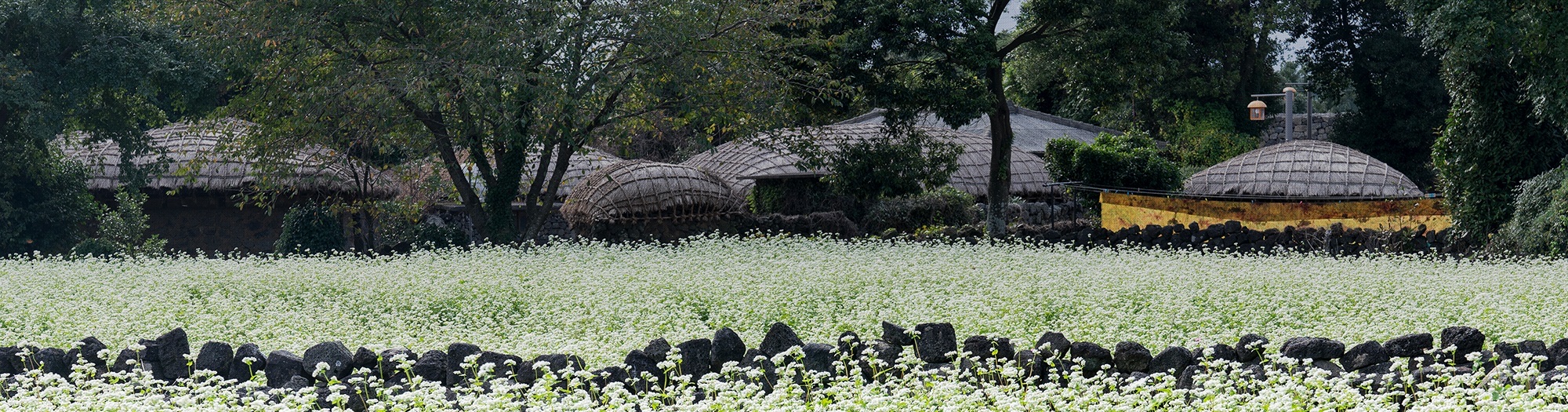
The scenery changes with every season. In spring, green barley and canola flowers, and in autumn, buckwheat flowers, Korean chrysanthemums and cosmos fill the inside and outside of the walls.
People really live here, so only enter places with an Information Board, and don't step into the yard of a house without a sign, even if the gate is open.
Visitor info
Timed programs
- Cultural tourism guideDaily · winter 10:00~17:00FreeApply on site or book at 064-710-6810
Also
- Village map courses: quick 30 minutes · full 50 minutes
- Viewing of National Folklore Cultural Heritage houses may be restricted