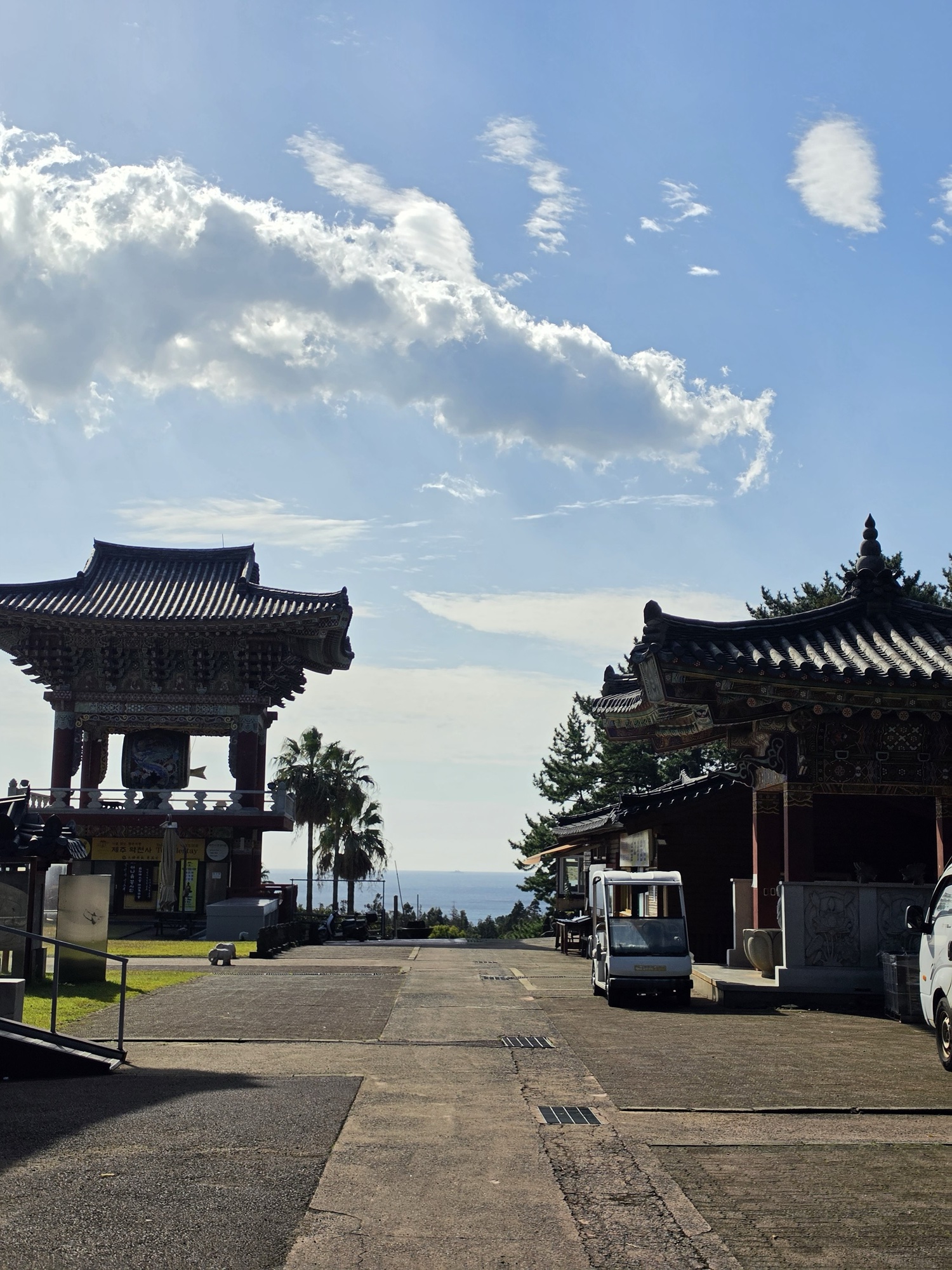
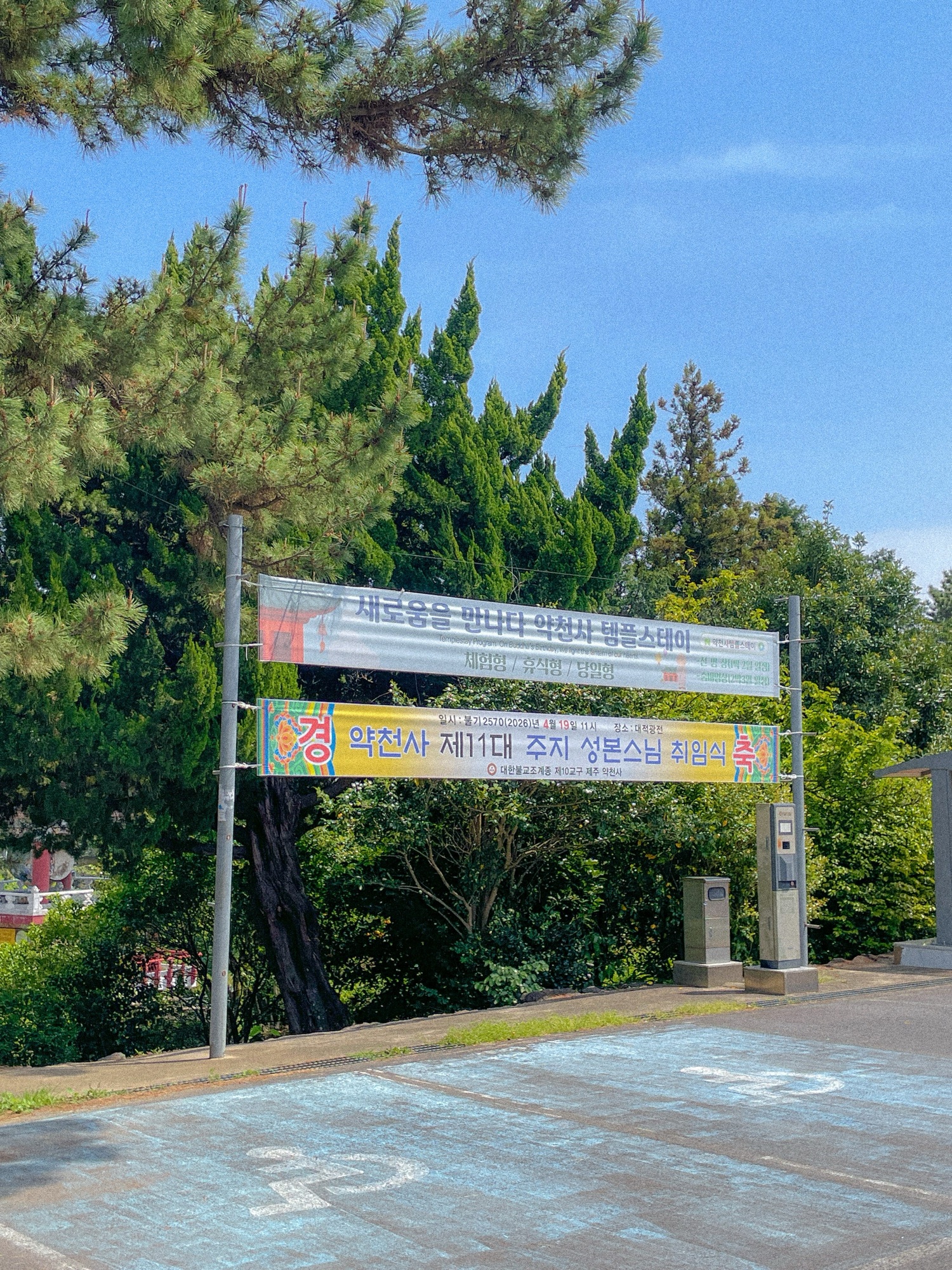
Yakcheonsa Temple (약천사)
Timeline
- 1981
The monk Hyein chose this open spot, with Hallasan Mountain in view, as the site for a great temple. Before that, a small thatched hermitage called Yaksuam stood here.
- 1993
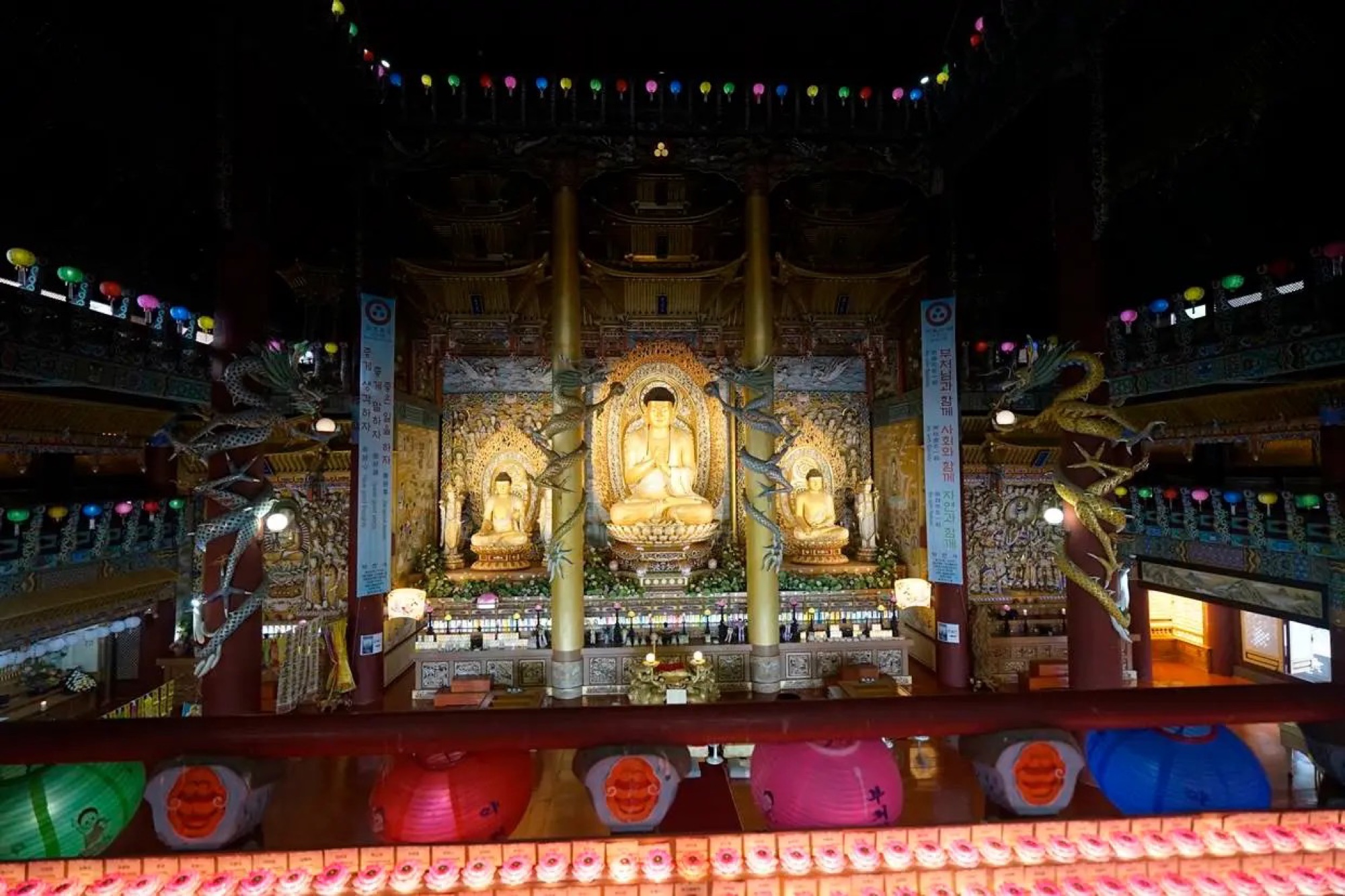
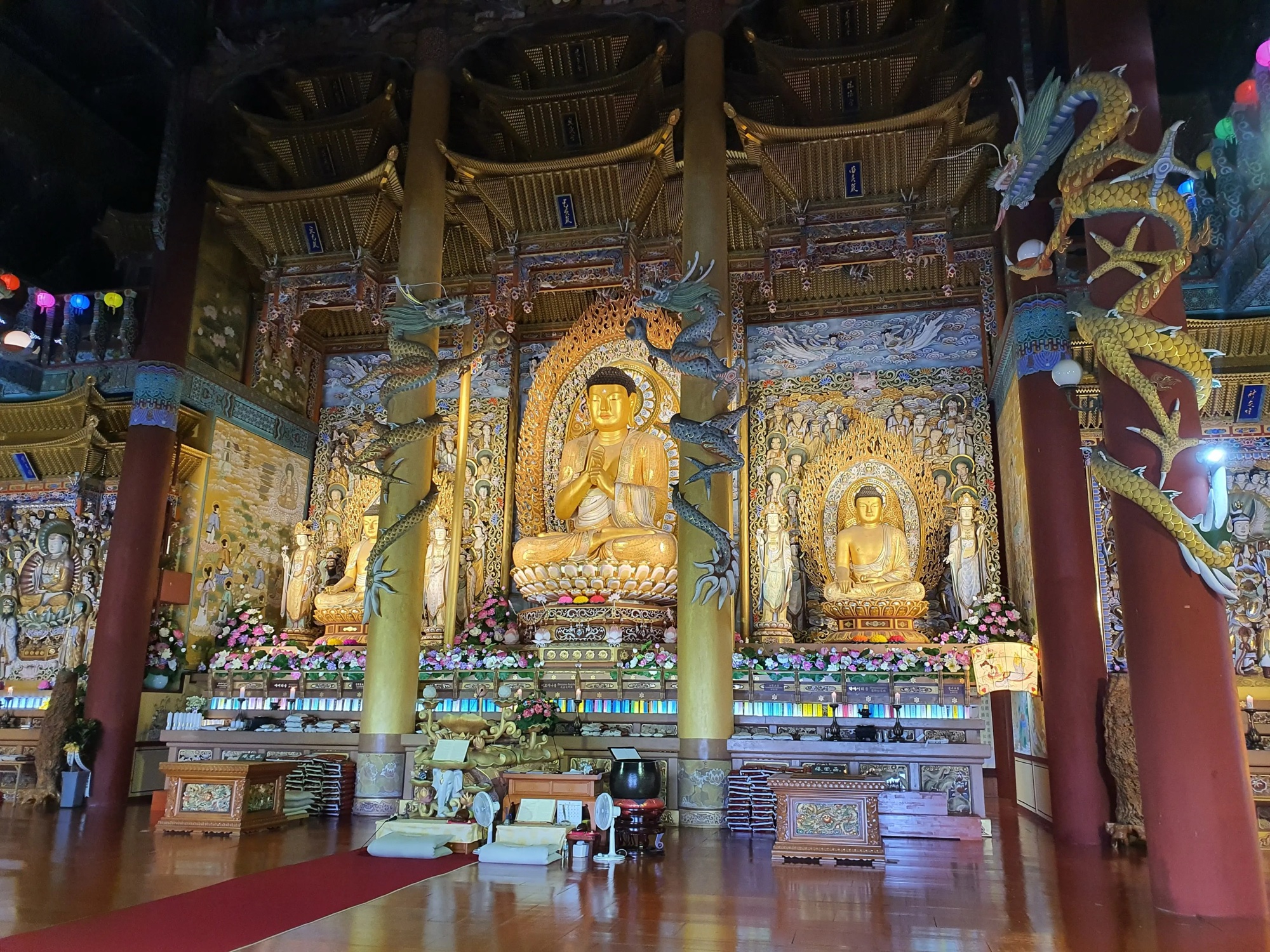
A Vairocana Buddha carved from Baekdusan Mountain timber was enshrined in the great hall with a consecration ceremony.
- 1996
A grand dharma assembly celebrated the completion of the great hall, eight and a half years after construction began.
- 2001
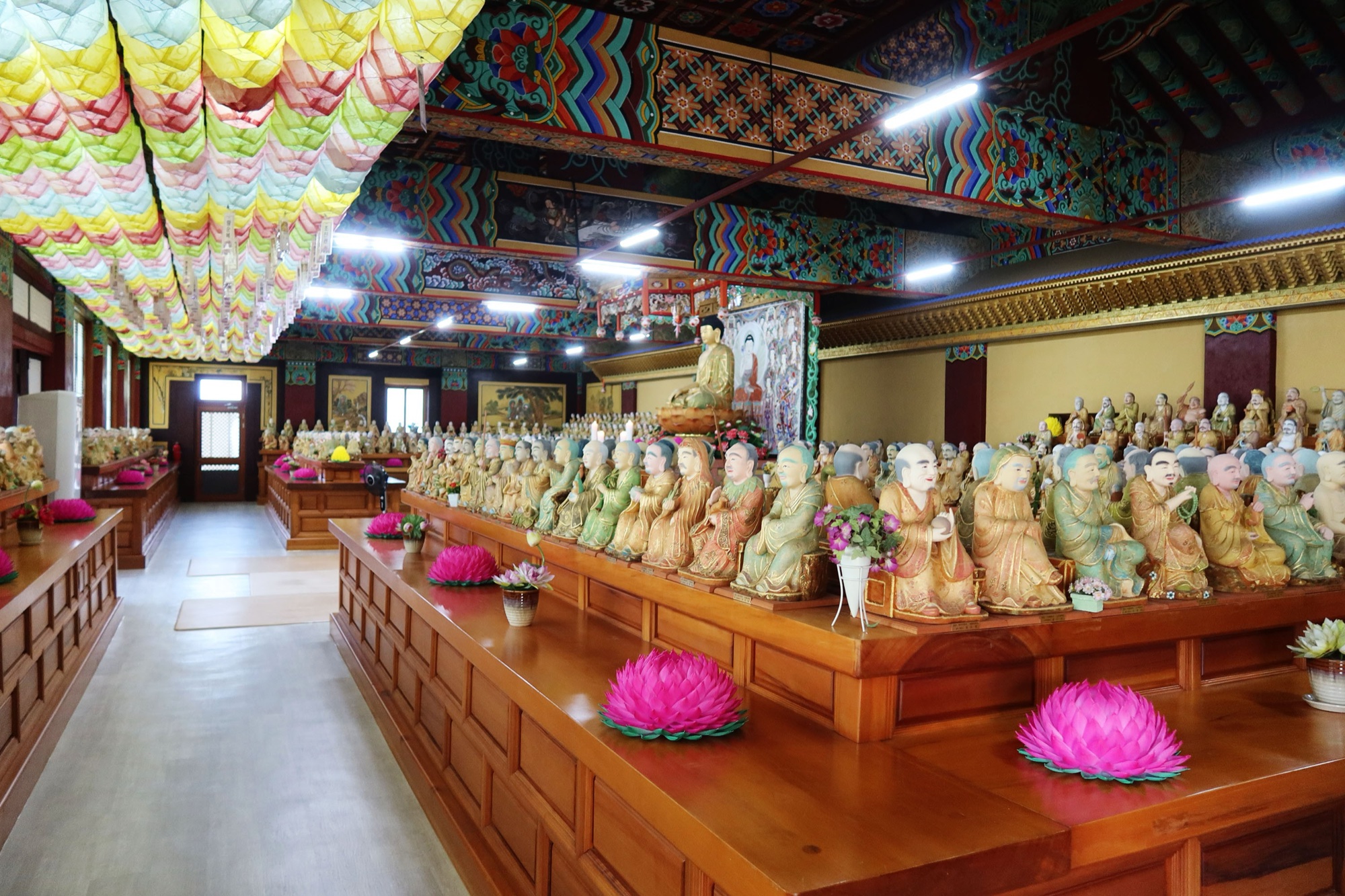
With the enshrinement of the 500 Arhats, the great hall, cave hall, Samseonggak and Arhat Hall were all complete.
- Today
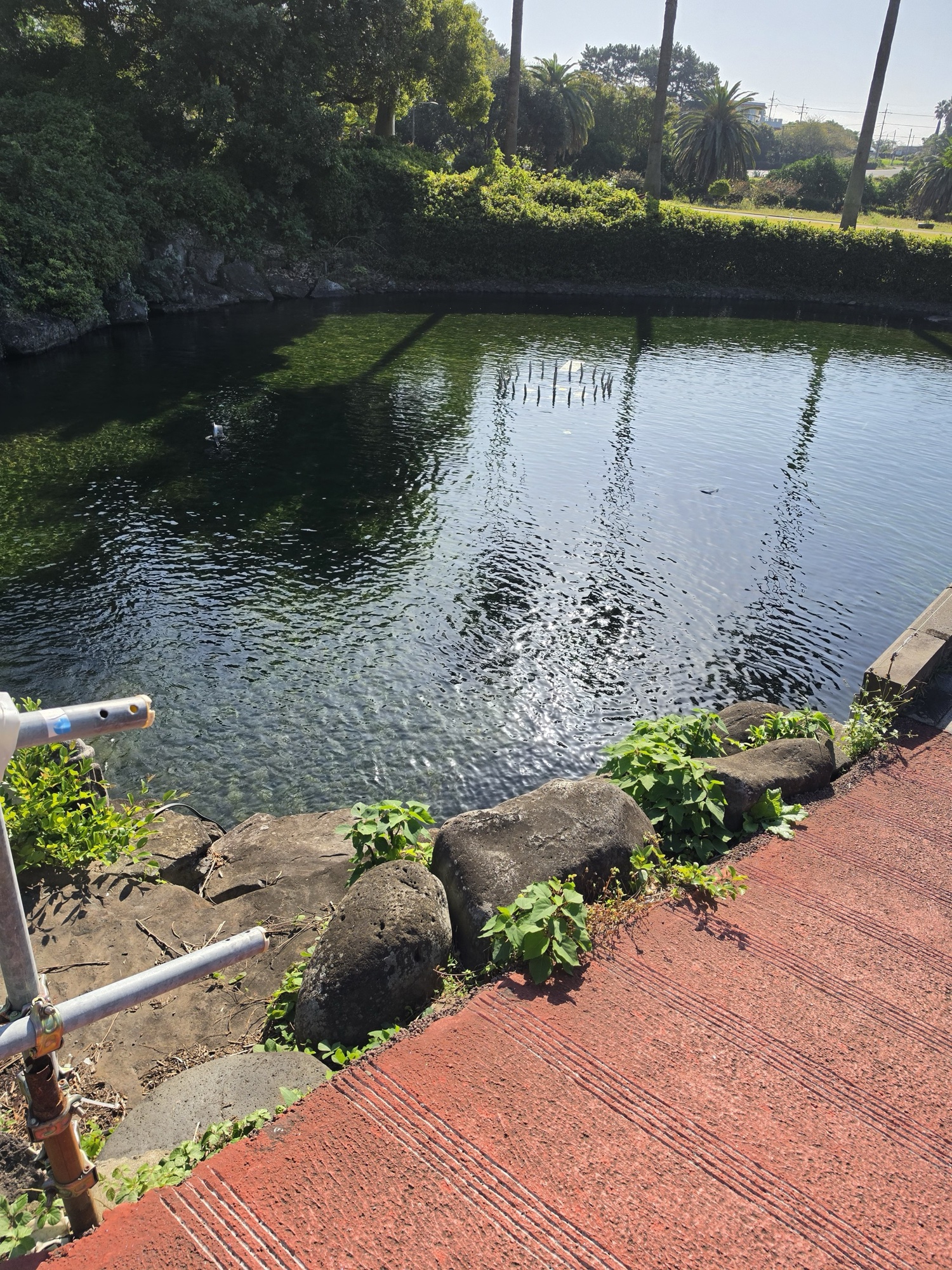
What you see now — the cave hall, Arhat Hall and spring pond flow out from Daejeokgwangjeon, and the Buddha statues and carved wooden altar painting were designated Seogwipo-si Local Tangible Heritage in 2006.
Before you go in
Dress neatly when entering the temple, and when you meet a monk, greet them first with a light bow, palms together.
During service times in the great hall (4:30 a.m., 10:30 a.m., 7 p.m.), refrain from moving about and stay quiet.
Check the signs before taking photos inside the halls, and keep worshippers' faces out of the frame.
Do not enter Sangbyeoldang, where the monks live, or the temple stay area without permission.
- Admission
- Free (based on recent visitor reviews)
- Parking
- 1 lot
- Location
- 293-28 Ieodo-ro, Daepo-dong, Seogwipo-si, Jeju
- Website
- Official website
- Phone
- 064-738-5000
- Checked
- 11/2026 · Official website · Visit Jeju
Story
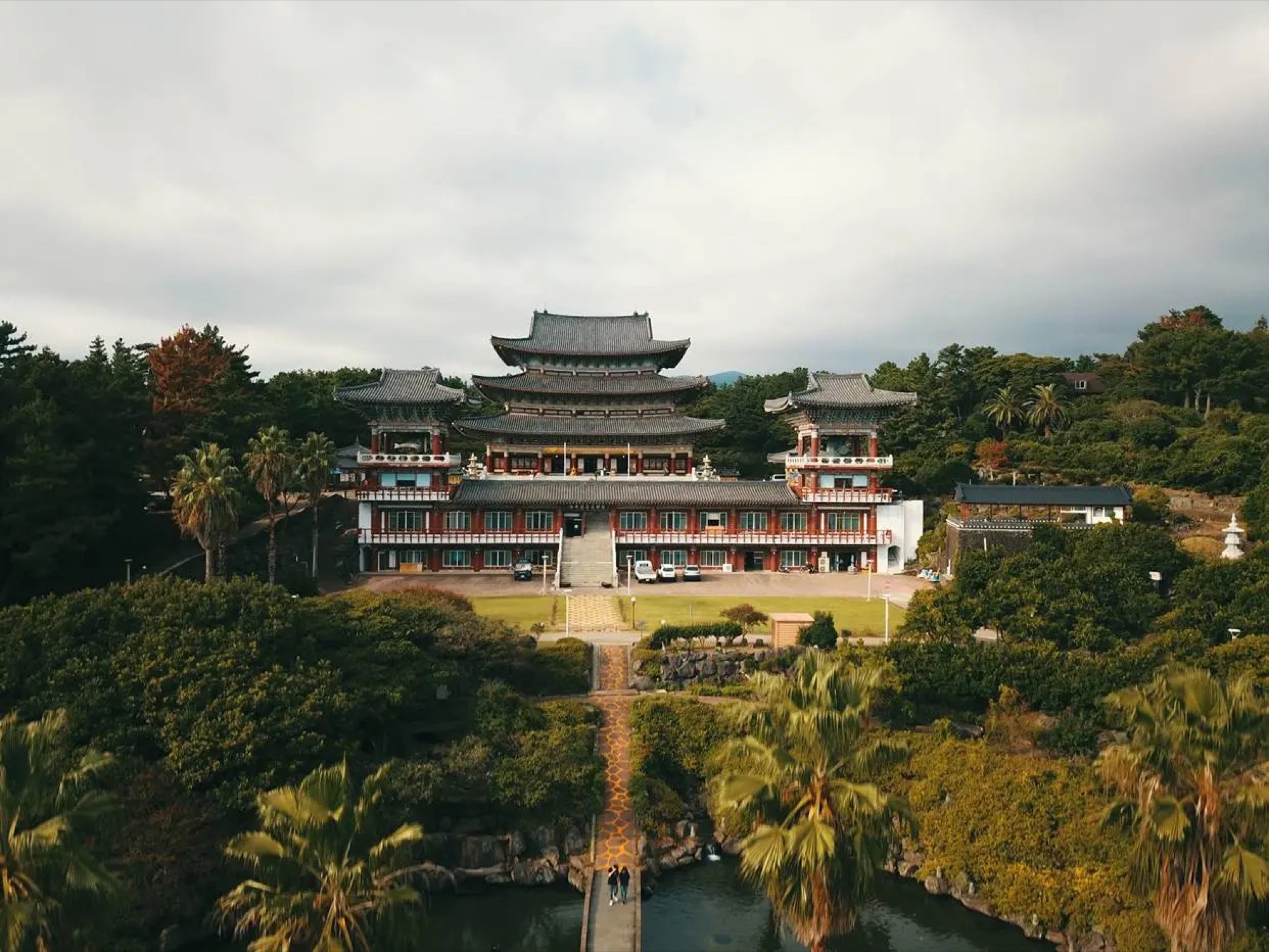
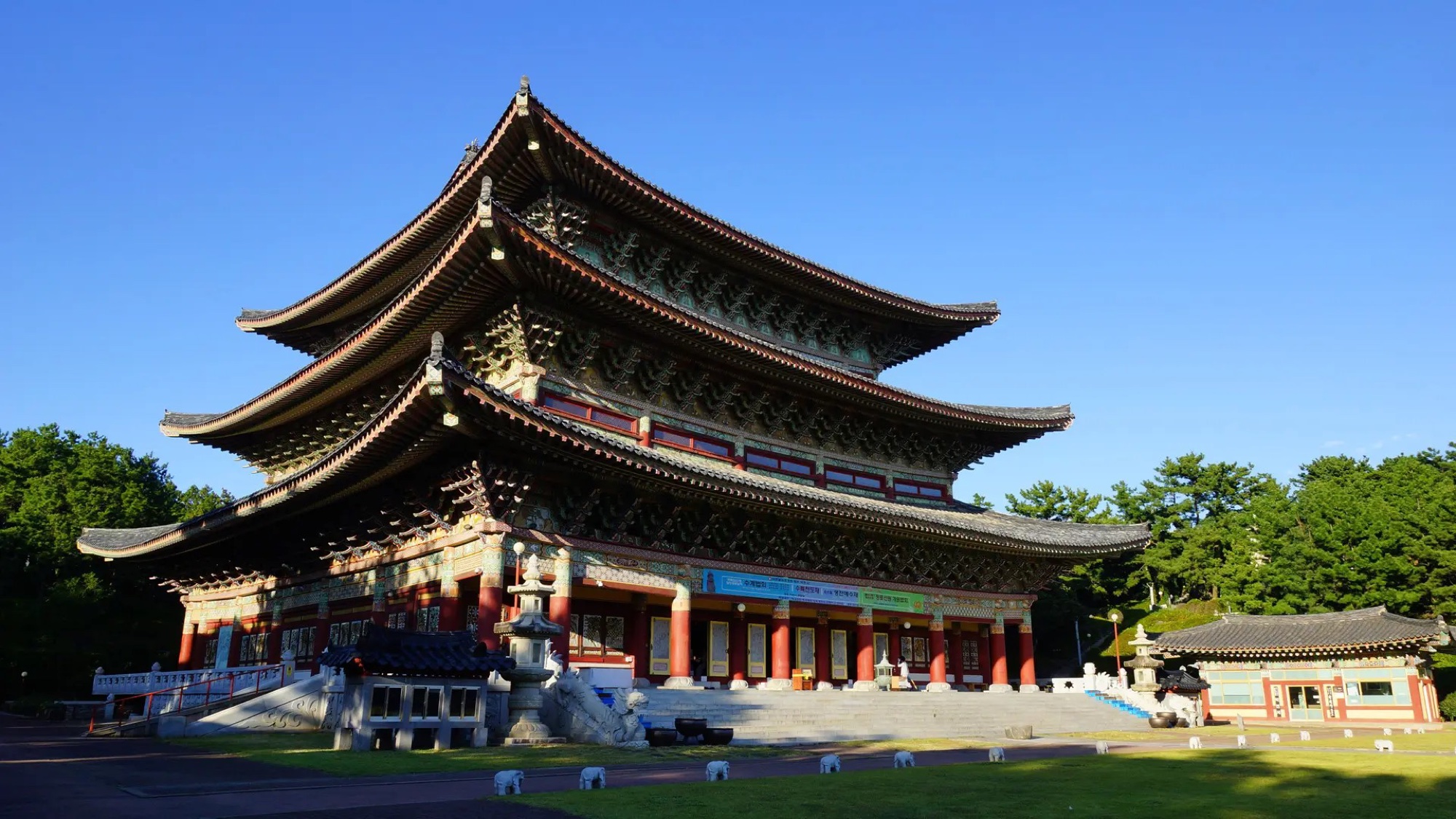
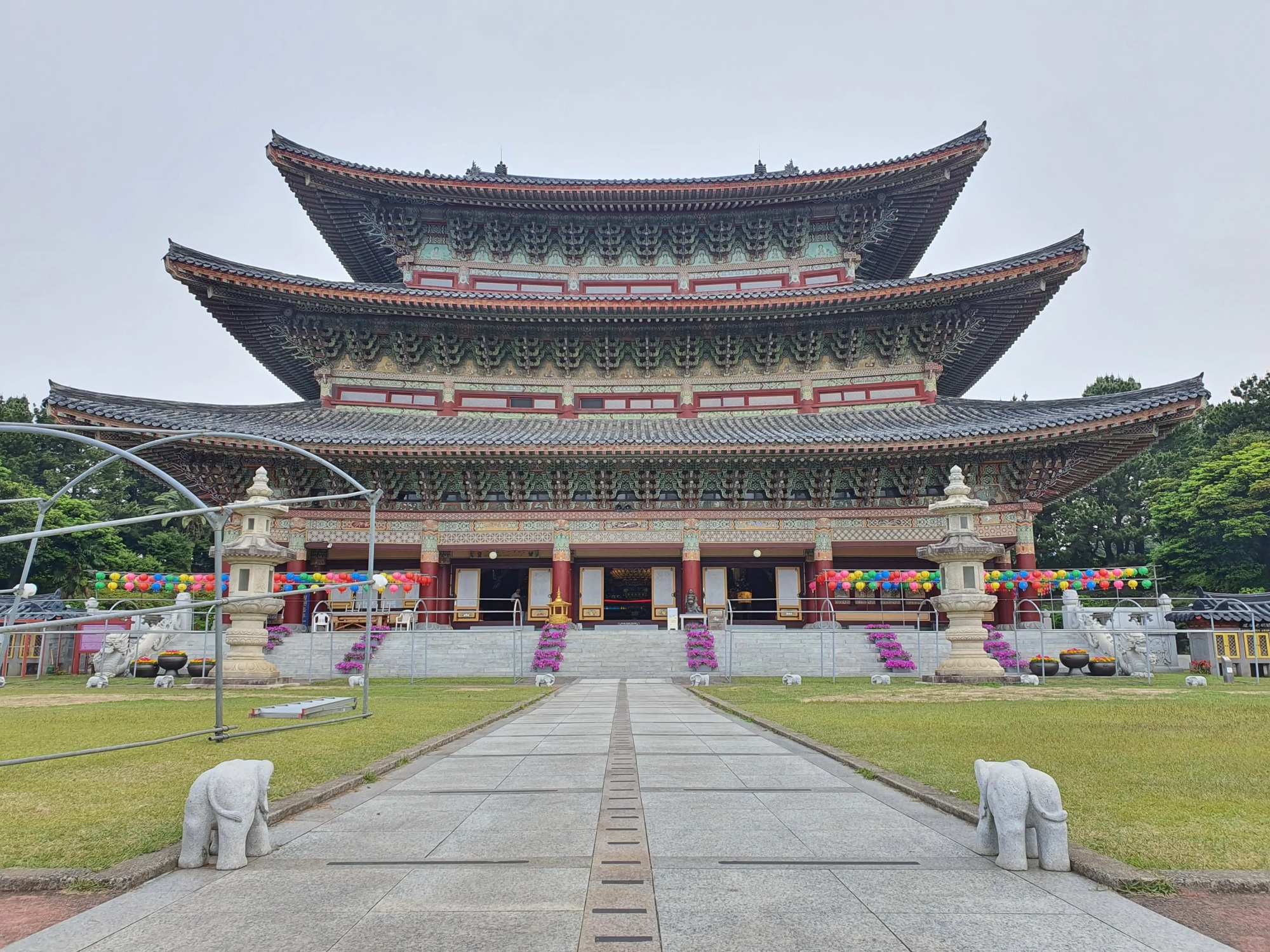
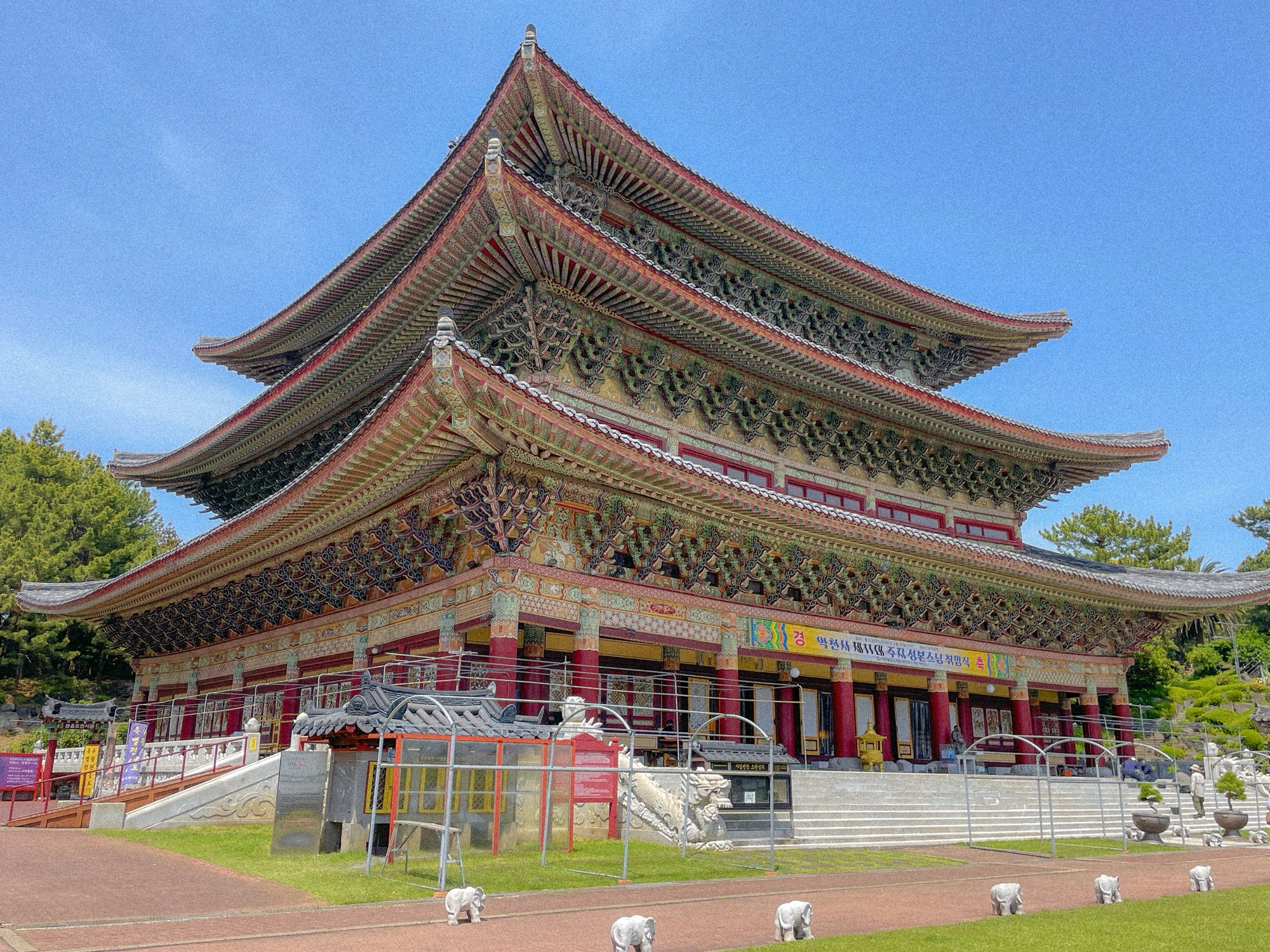
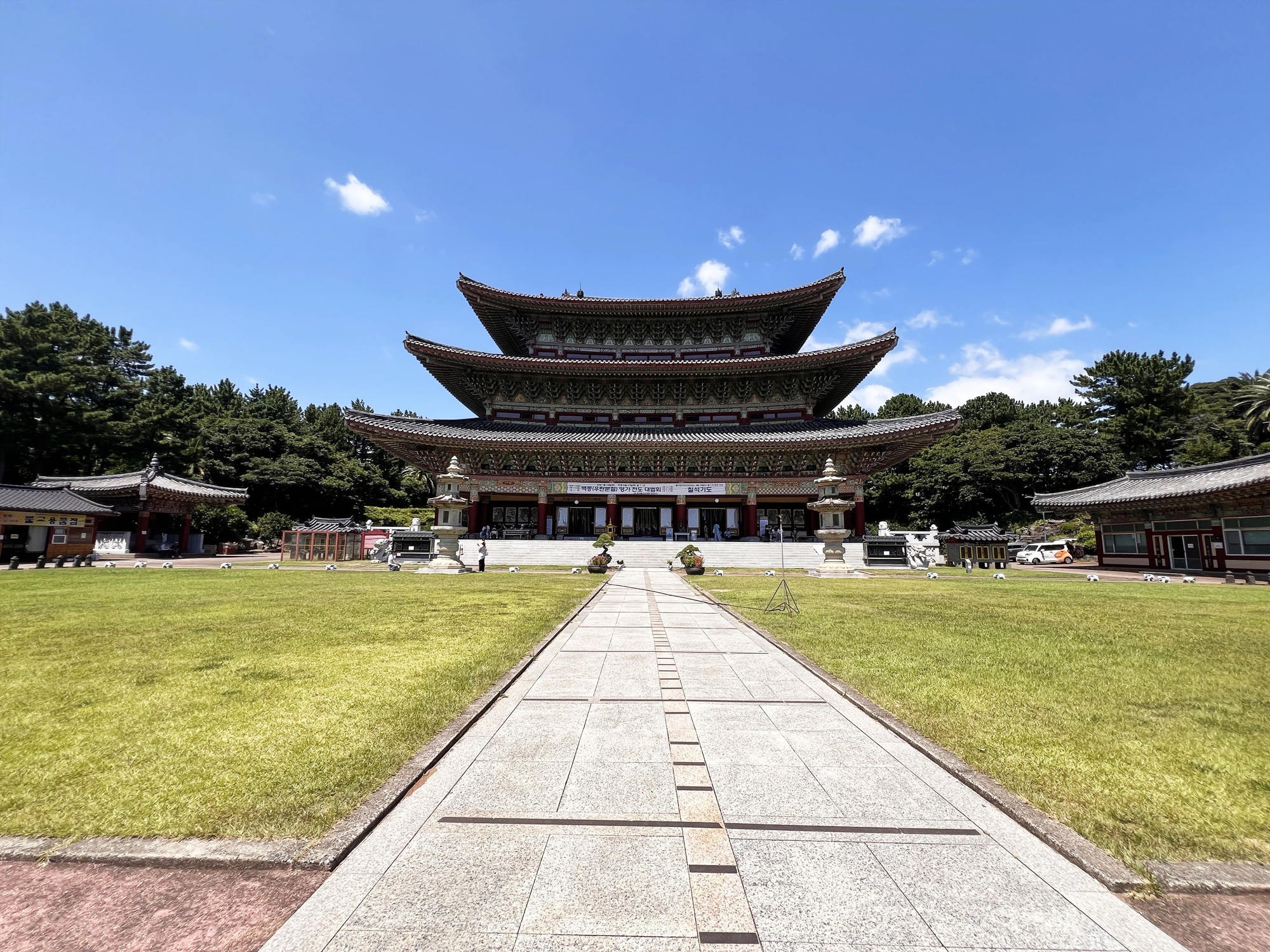
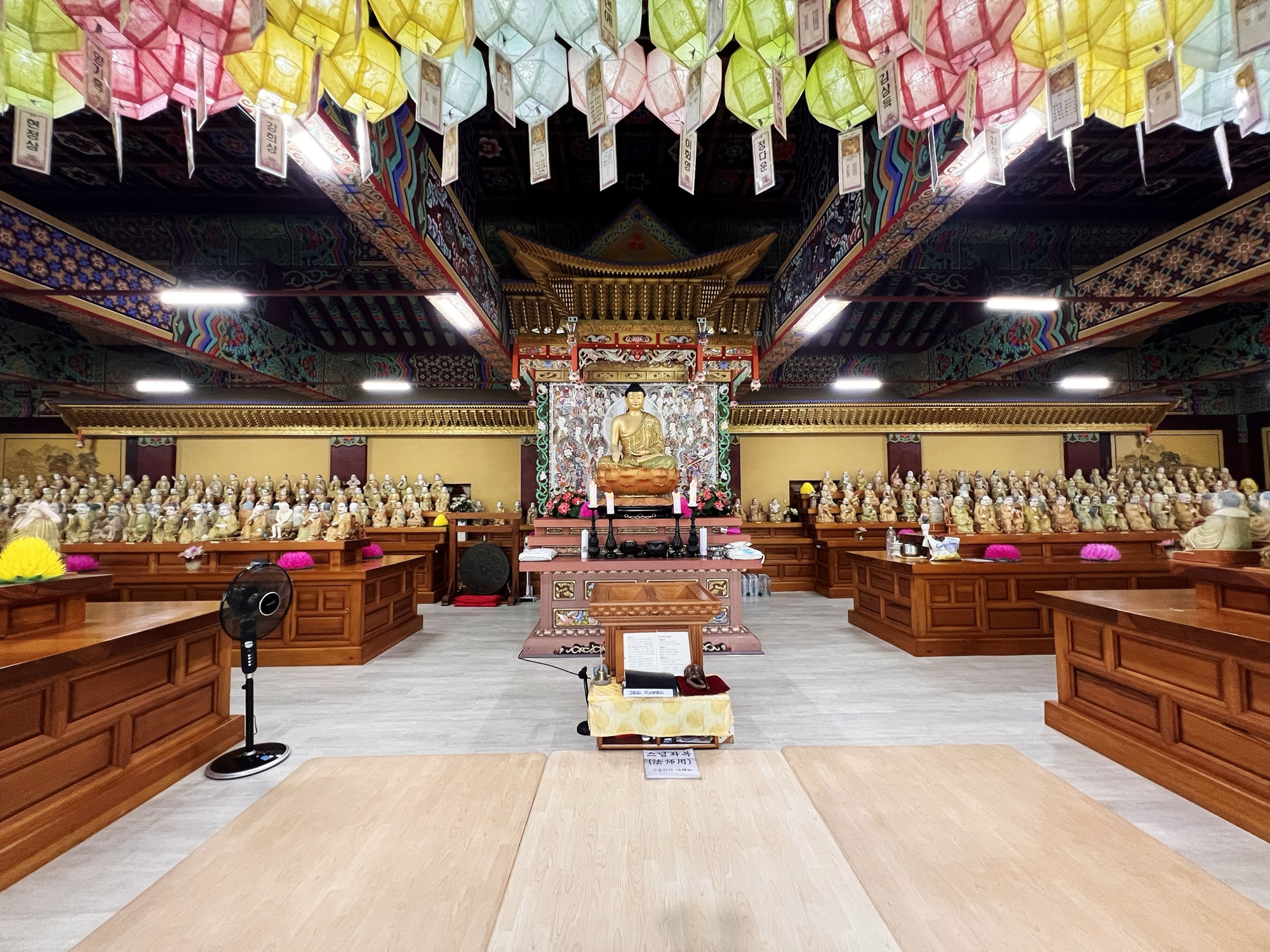
A Jogye Order temple that sits with its back to Hallasan Mountain, looking down over the southern sea. Its great hall, Daejeokgwangjeon, looks three stories tall from outside, and inside is enshrined a large Vairocana Buddha carved from Baekdusan Mountain timber. The temple takes its name from a spring where medicinal water once welled up, and you can wander slowly through the cave hall, the Hall of the 500 Arhats, and the pond.
Don't miss
- 1
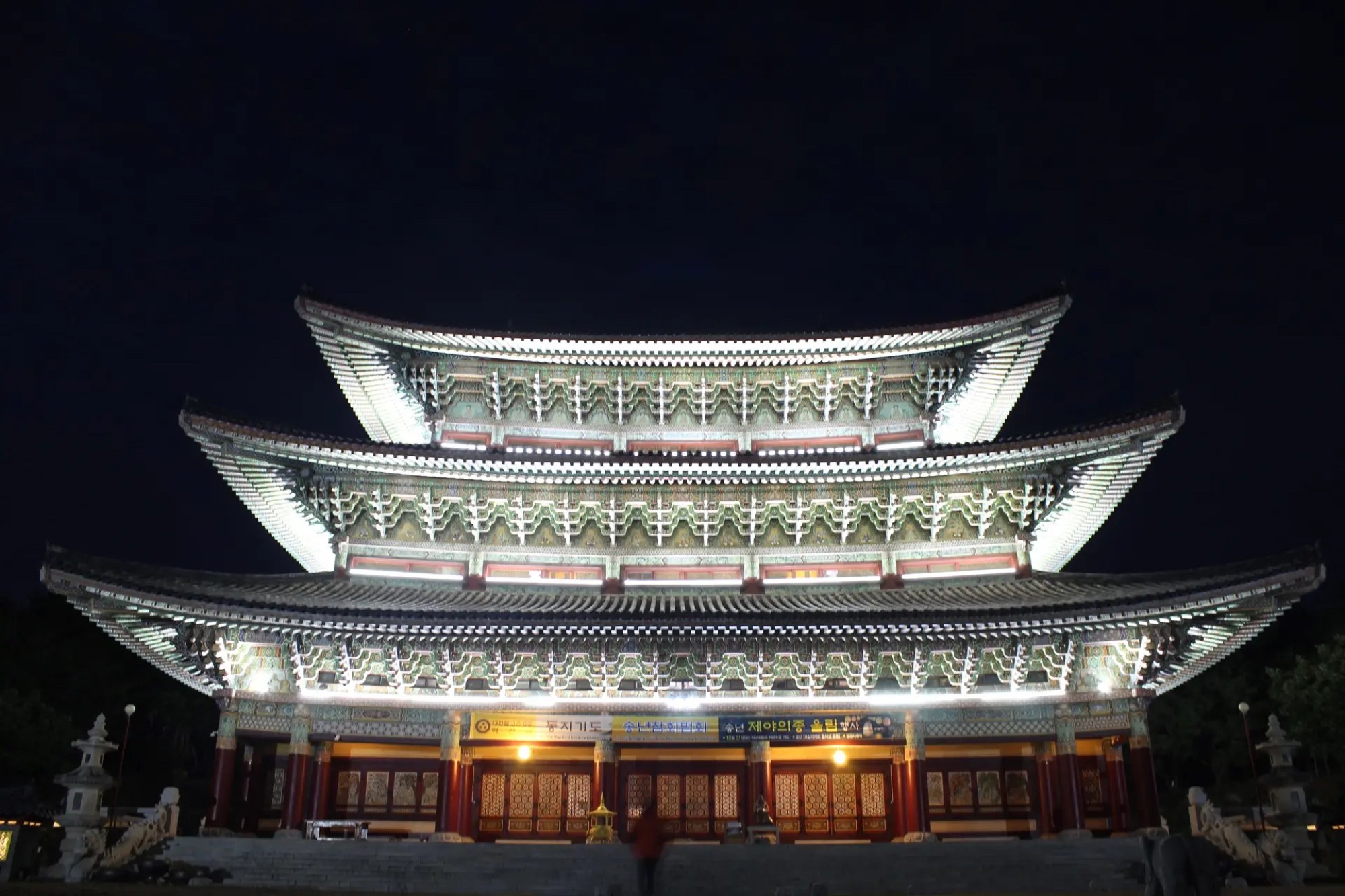
Daejeokgwangjeon
Said to be the largest single Buddhist hall in Asia. Inside is a Vairocana Buddha carved from Baekdusan Mountain timber.
Photo · 비짓제주 방문자 여행공유·리뷰 사진(작성자 비공개)
- 2
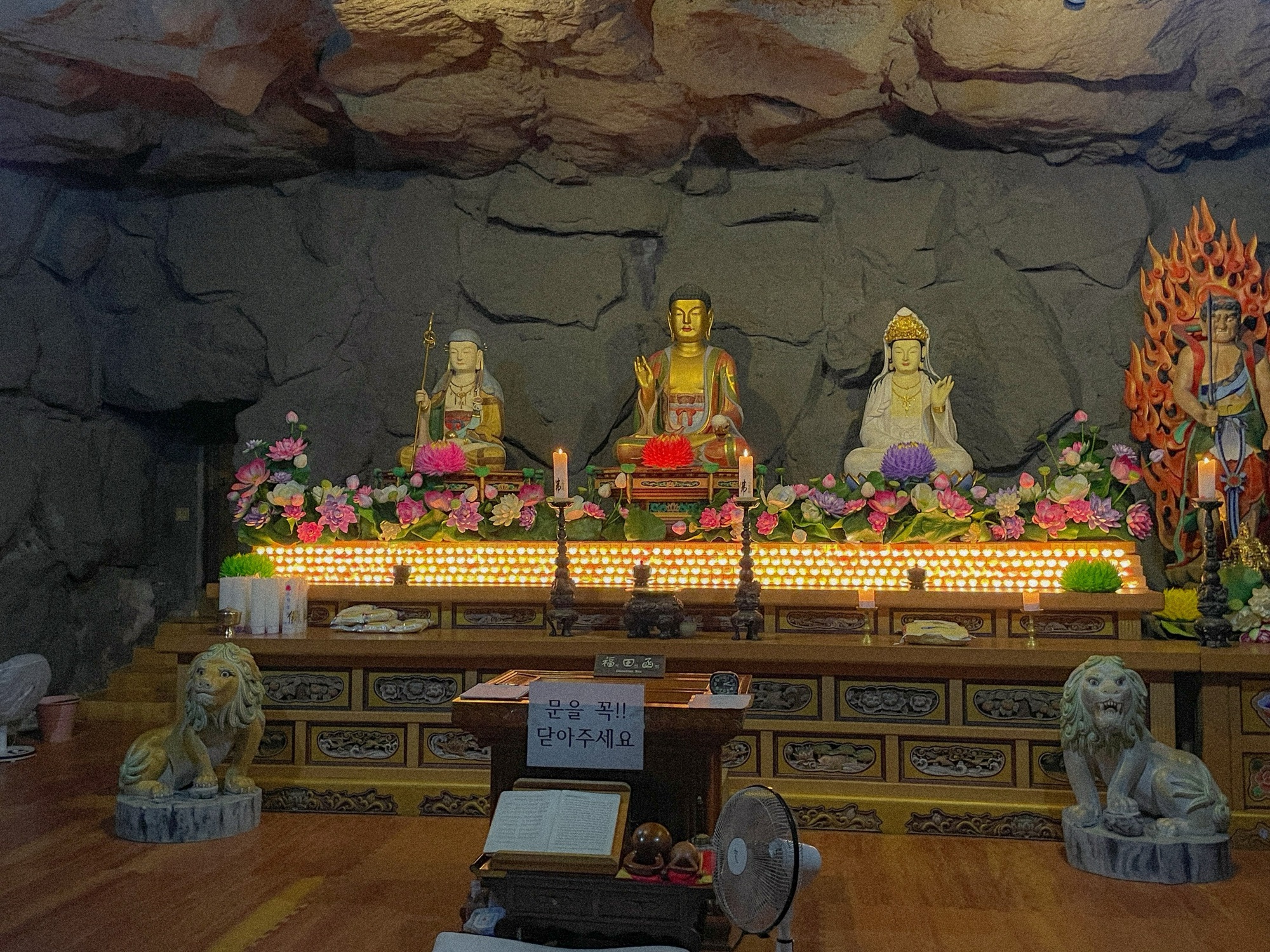
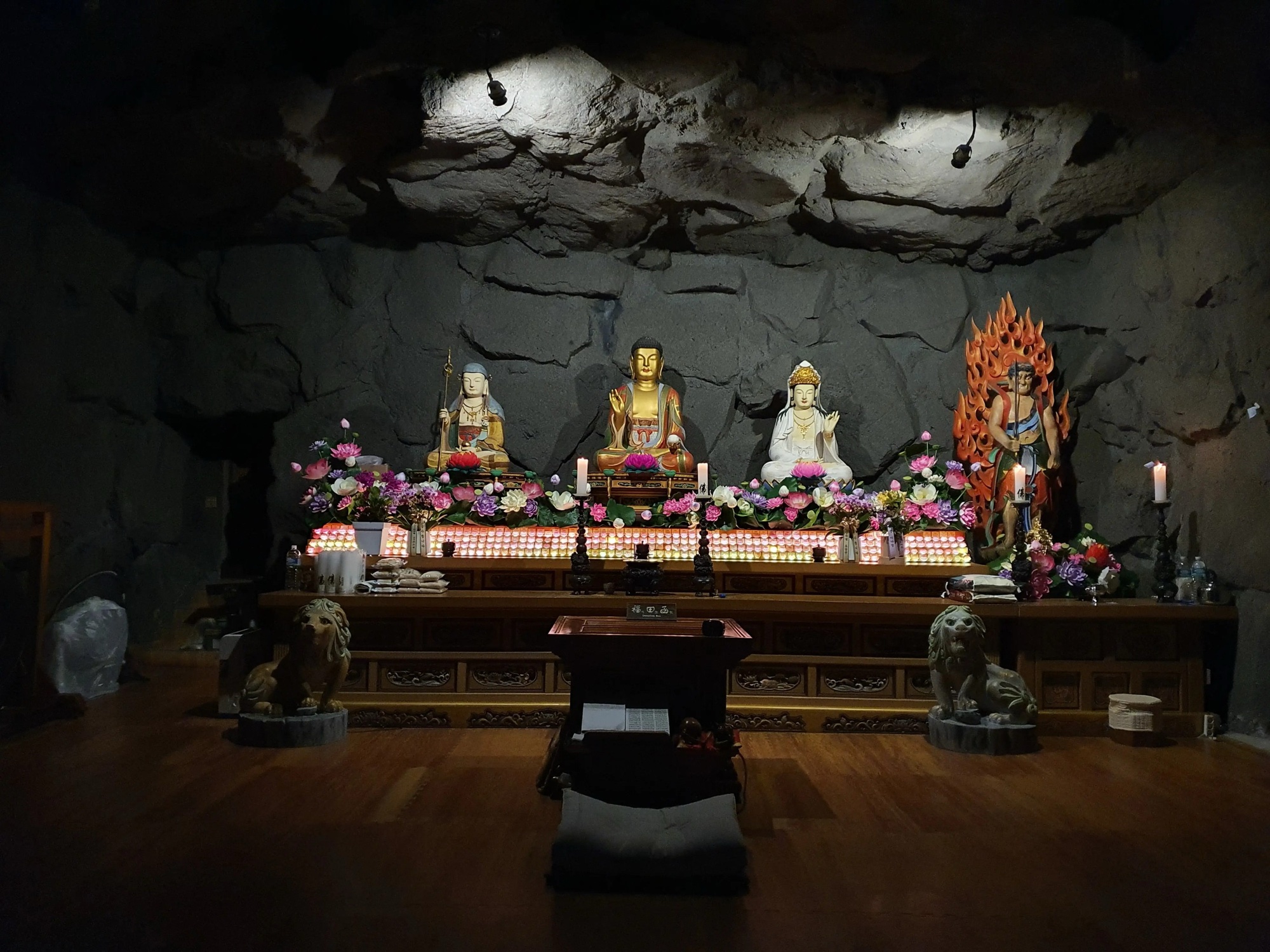
Cave Hall
A hall made to resemble a Jeju cave. A quiet prayer space for the Medicine Buddha and two bodhisattvas.
Photo · 비짓제주 방문자 여행공유·리뷰 사진(작성자 비공개)
Explore
Yakcheonsa Parking
Parking near the start of the Access Road. Walk up from here to Iljumun Gate.
Photo · 네이버 블로그 '003137'
Good to know before you go
From the ground floor the Buddha sits high above you; climb to the second- or third-floor gallery for a much closer view.
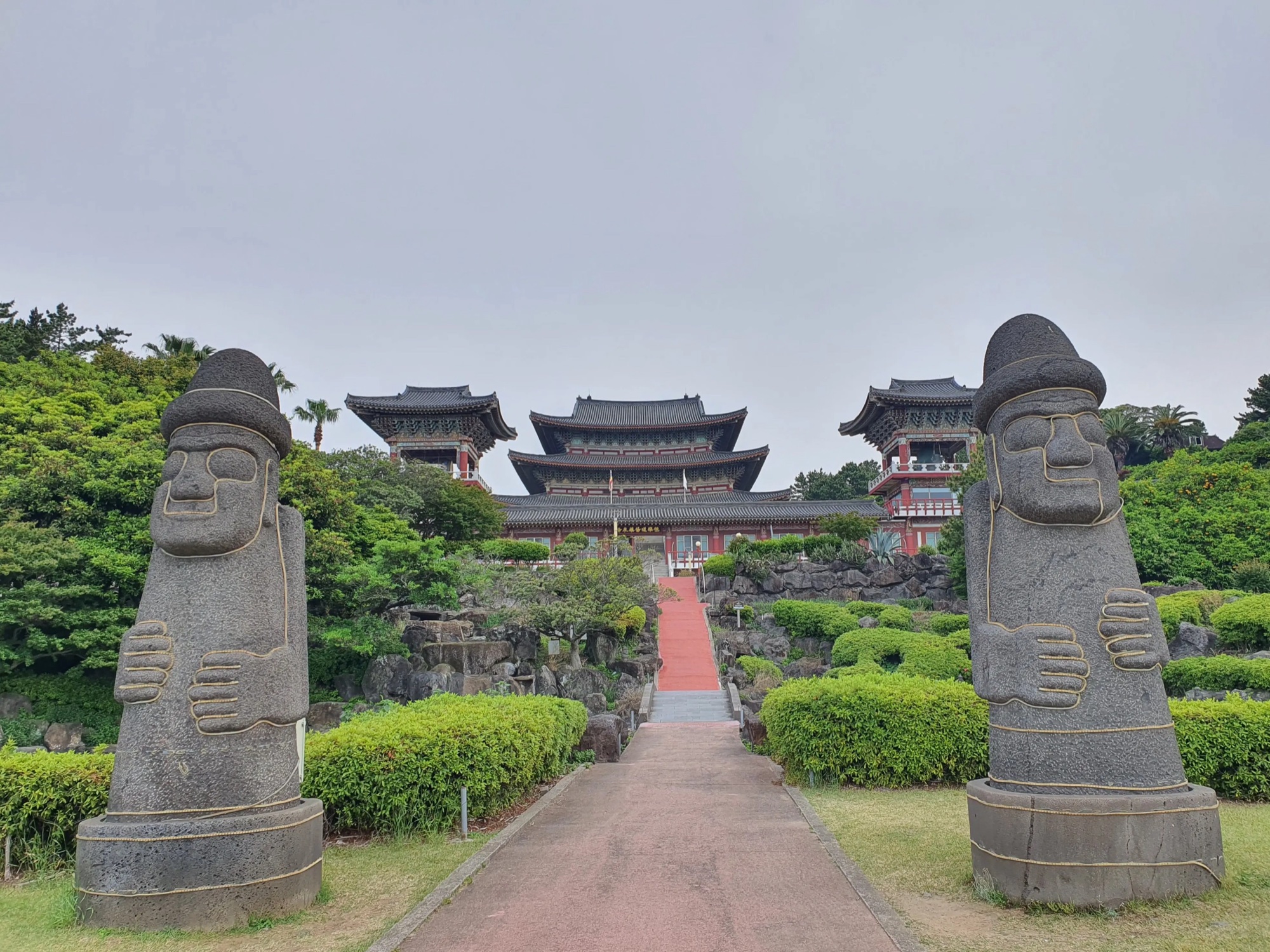
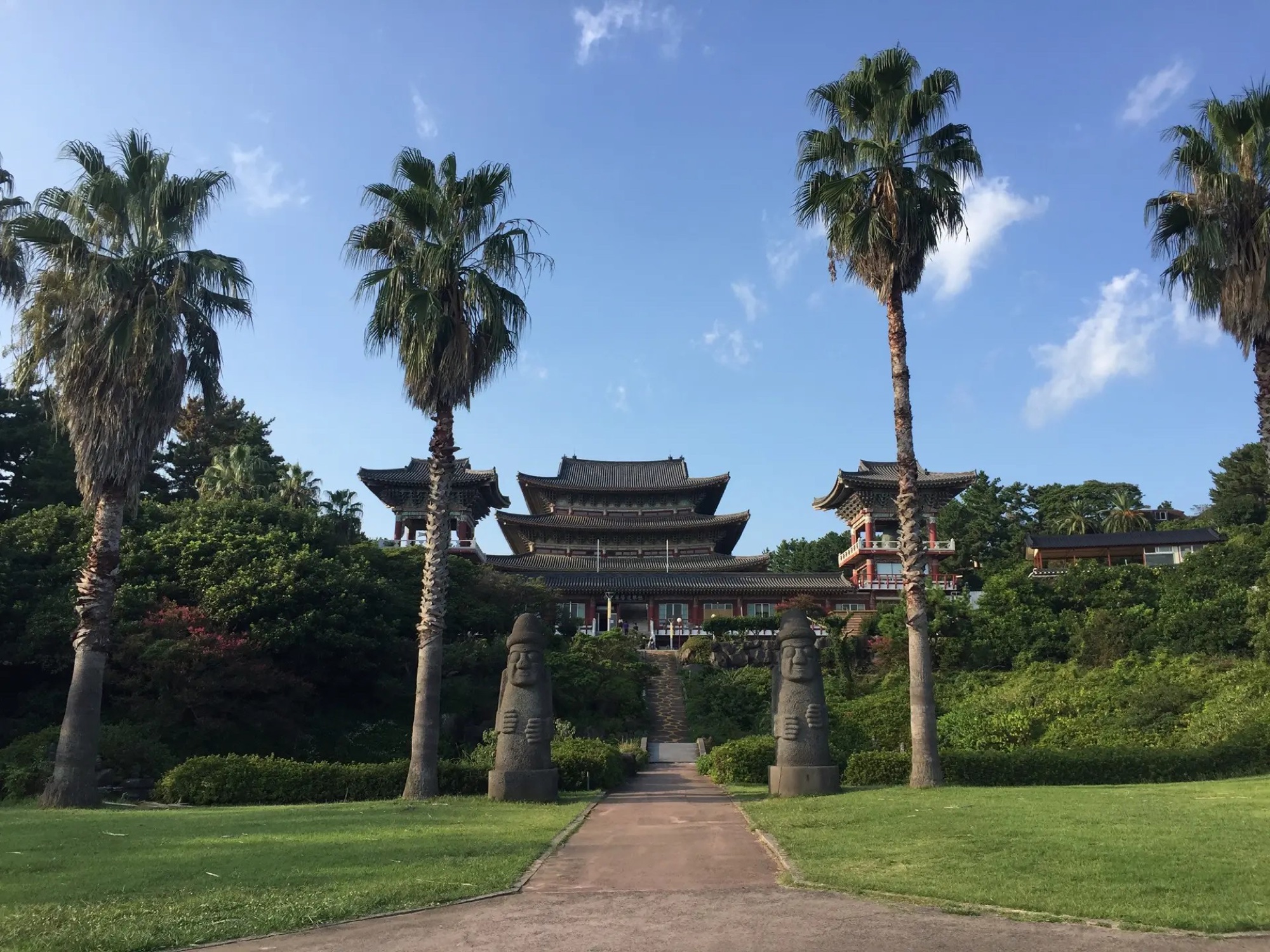
To see Daejeokgwangjeon head-on, walk up from the Iljumun Gate along the path between the dol hareubang. Crossing the stone bridge over the pond makes the approach even lovelier.
The cave hall is at the highest point behind the great hall. It's a quiet prayer space modeled on Jeju's caves, so keep your voice low.
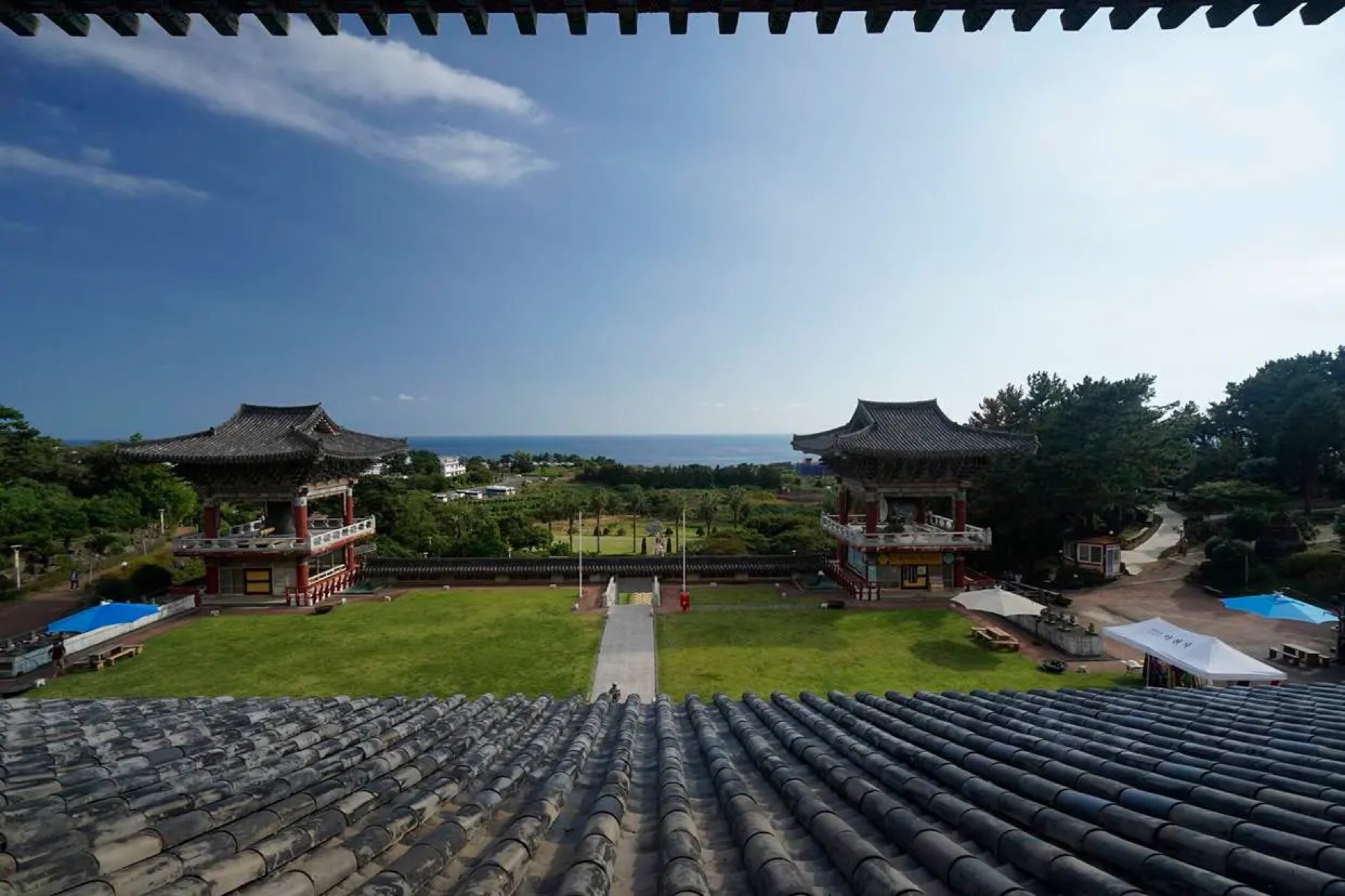
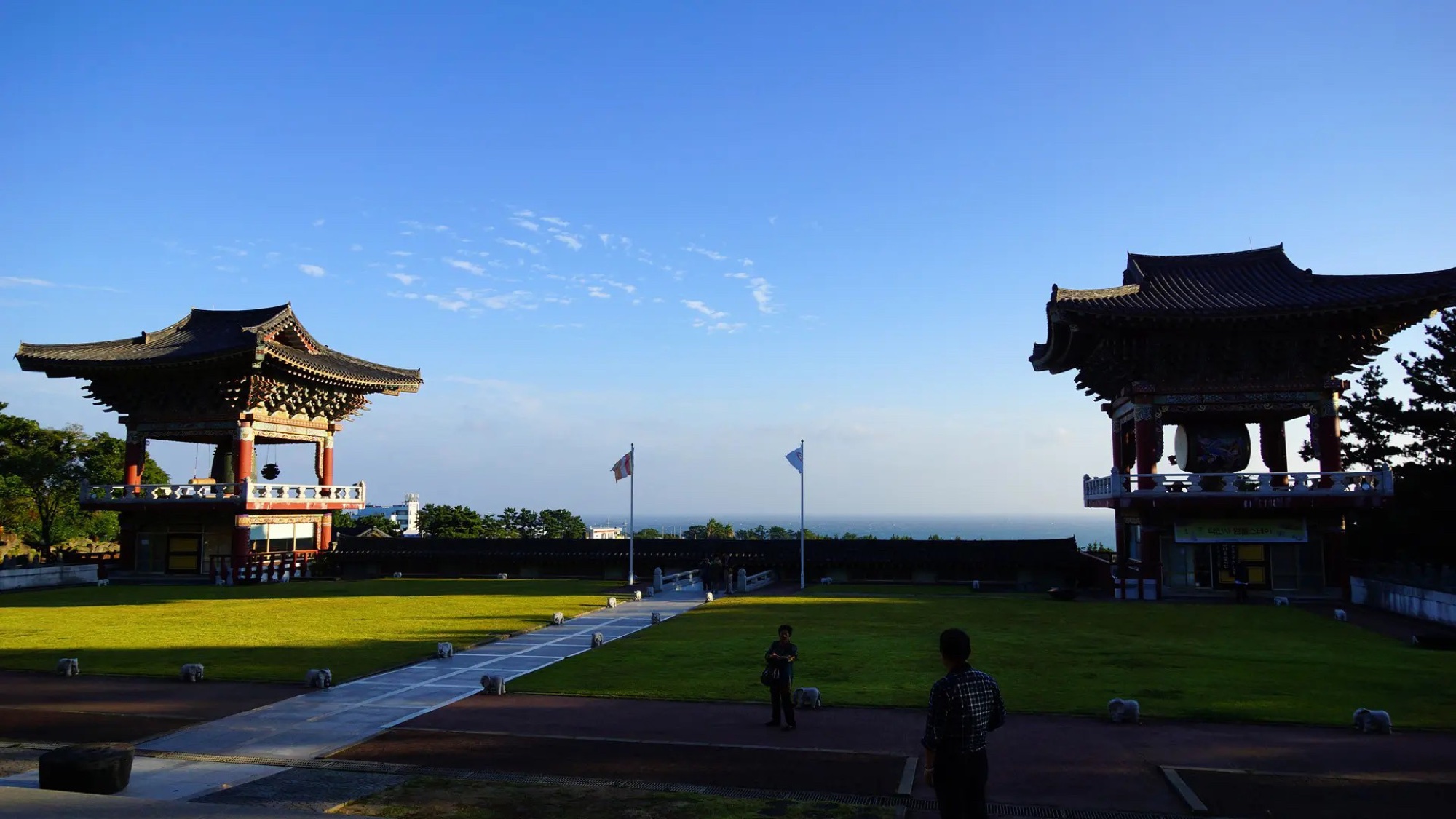
Stand on the lawn in front of the bell and drum pavilions to see the sea and Hallasan Mountain together. The view is especially beautiful around sunset.
Every arhat in the Hall of the 500 Arhats has a different expression. Try finding a face you like.
Visitor info
- Please don't enter Sangbyeoldang, where the monks live
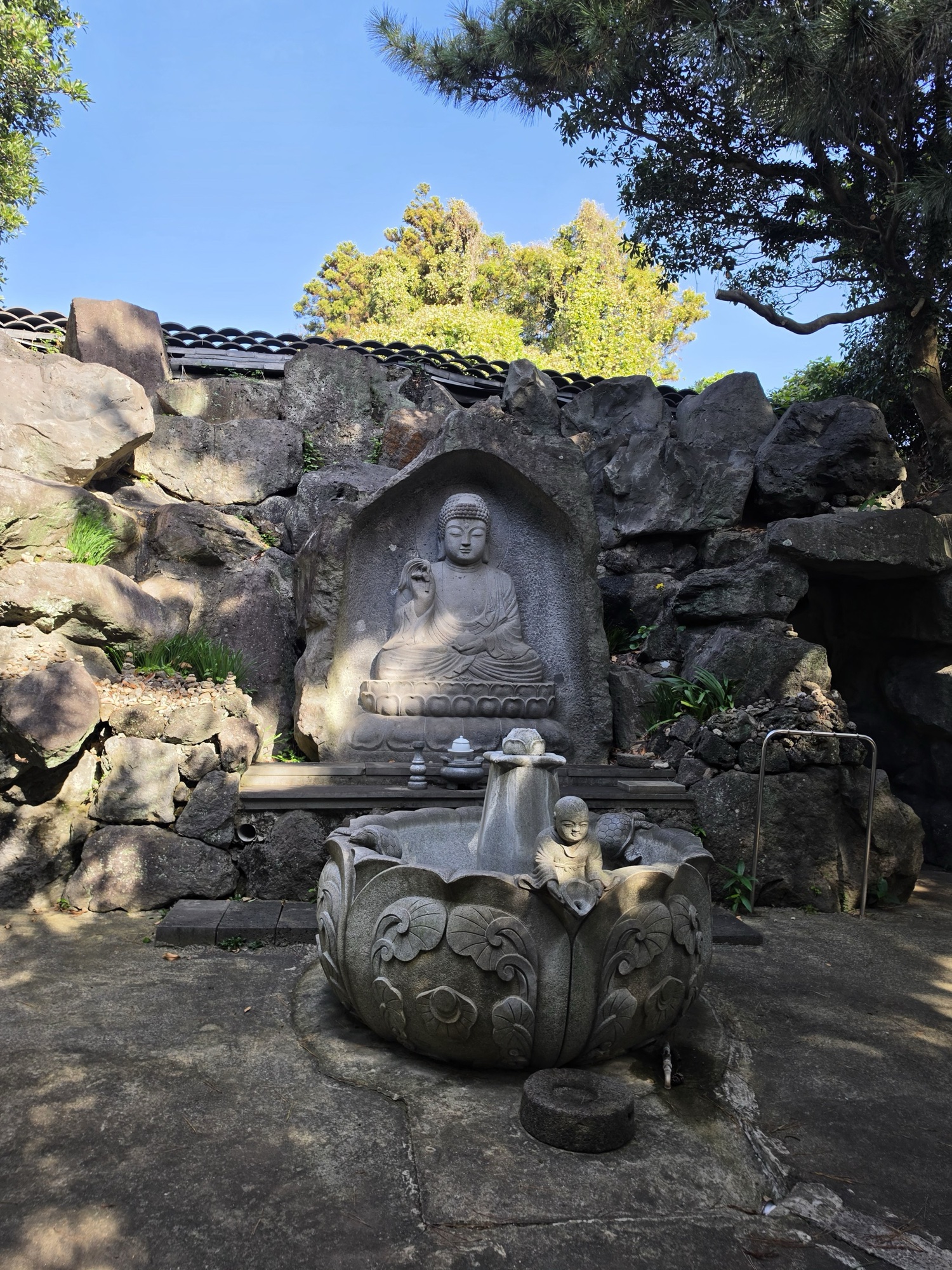
- All the water in the temple is drinkable spring water
Timed programs
- Buddhist service04:30 · 10:30 · 19:00Temple bellGreat hall
On site
- Café
- Temple food
Also
- Temple stays are announced on a separate website
- Check opening hours with the temple office (064-738-5000)